Arts & Crafts

10 Best Harmonica for Kids of 2026: Picks That Play Easily and Last

Which harmonicas for kids actually work without frustration? From toddler-safe to budget-friendly, these picks balance ease of play and durability.

Shopping for a child's first harmonica often means sorting through cheap plastic models that look fun but frustrate more than they teach. Dead notes, stiff breath draw, and loose screws are common complaints from parents. The real challenge: finding a harmonica a young child can actually play without giving up.

But a small group of models break that pattern – offering smooth playing, durable construction, and a tone that encourages practice. Whether you need a budget option for a classroom or a safety-certified harp for a toddler, the best choices balance air resistance with sound quality. The picks below are organized by age and intent, so you can match the instrument to your child's stage.

#1

CONJURER Harmonica

CONJURER Harmonica

Budget beginners

Doodle Score 9.6/10
Check Price

Worth Noting

  • Lower volume than pricier models; may not project in groups
Key
C
Comb Material
Metal/ABS
Reed Material
Brass
Read the full review

The CONJURER harmonica offers a clean, bright tone and a sturdy build with brass reeds and a metal comb – a strong showing for an entry-level price. It plays easily and stays in tune, making it a dependable companion for beginners.

The tradeoff is lower volume compared to higher-end models, so this harmonica is better suited for personal practice or quiet settings rather than group sessions. That makes it a solid fit for kids learning their first instrument or adults wanting a budget-friendly practice harp.

Tip: The lower volume is gentle on young ears and perfectly adequate for bedroom practice.

Bottom line: A smart buy for anyone seeking a low-cost, decent-sounding harmonica for casual use or introduction to blues playing.

#2

East top Kids

East top Kids

Young children

Doodle Score 9.6/10
Check Price

Worth Noting

  • Can be harder to blow than other beginner models, requiring more air to produce sound
Key
C
Comb Material
Blue plastic
Reed Material
Brass
Read the full review

The East top Kids harmonica combines cheerful colors with a budget-friendly price, making it an appealing entry point for children ages 5-10. Build quality and sound are solid for the cost, but blowing requires more air than some alternatives - a limitation that can frustrate very young kids or those with less lung capacity. For a child who can manage the breath, it delivers a rewarding first playing experience.

Bottom line: Best for a child who has enough breath control to make it sing; skip it if your kid is under 5 or easily frustrated by quiet notes.

#3

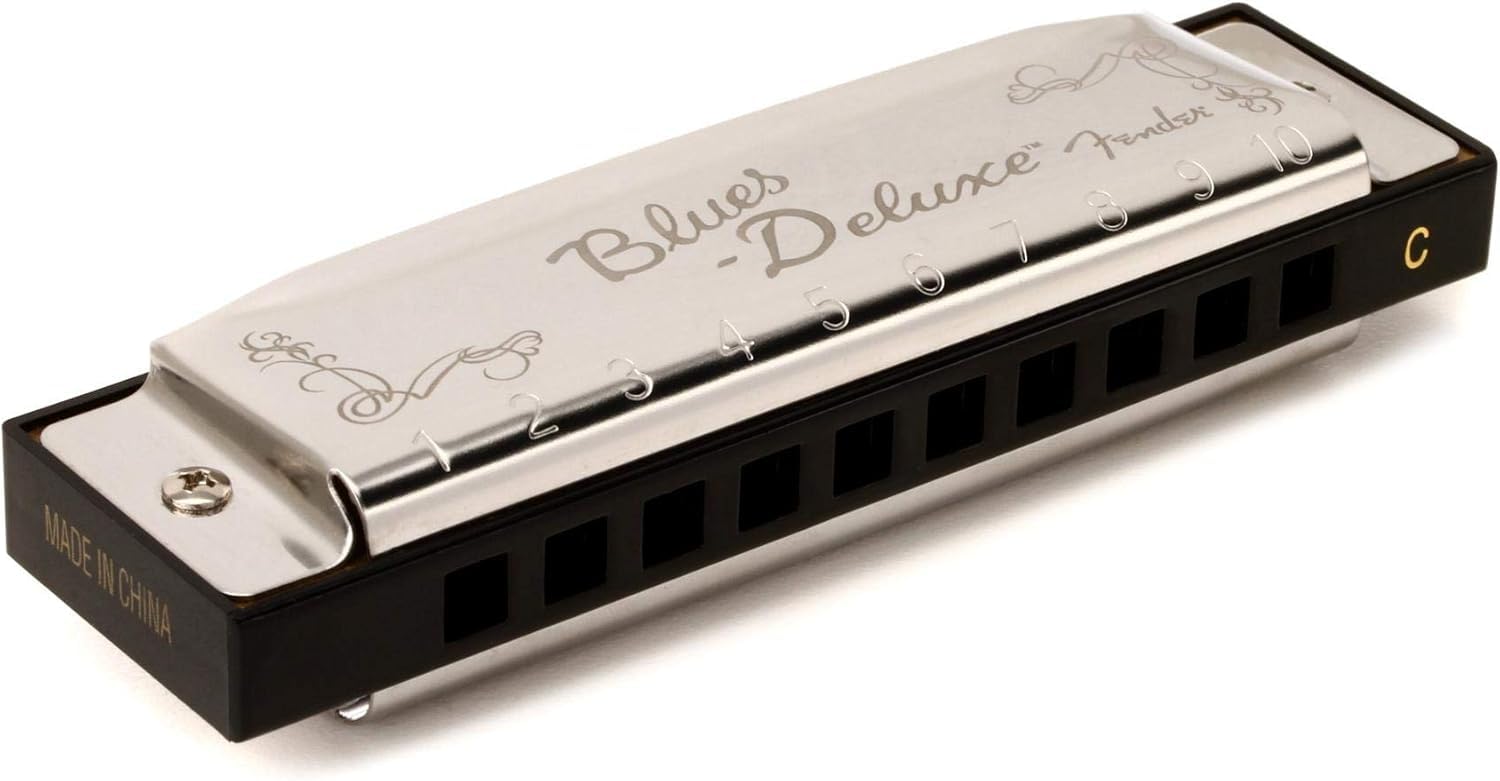
Fender Blues Deluxe

Fender Blues Deluxe

Beginners all ages

Doodle Score 9.4/10
Check Price

Worth Noting

  • Occasional quality control variances may require checking a few notes on arrival
Key
C
Comb Material
PVC
Reed Material
Brass
Read the full review

The Fender Blues Deluxe delivers a clear, bright tone that responds well to light breath — a trait that makes it immediately rewarding for young players. Its chrome-plated body and brass reeds hold up to the bumps and drops that come with beginner use, and the PVC comb keeps the instrument lightweight for small hands.

This harmonica suits kids aged 8 and up as well as adult learners who want a capable instrument without overspending. The key of C is standard for instructional materials, and the straight setup lets beginners focus on single notes without fighting the harp. For professionals seeking a more nuanced or airtight instrument, the Blues Deluxe stops short — its openness is an advantage for learning, not for stage work.

While the overall build is consistent, an occasional unit may arrive with a slight reed lag or burr that affects one or two notes. Checking each hole on arrival takes a minute and avoids frustration later. That minor variance aside, this model has the strongest track record among entry-level harmonicas for families.

Bottom line: For families buying a child's first harmonica, this is the one to start with — it sounds good, plays easily, and has a long record of satisfying beginners.

#4

EastRock Blues

EastRock Blues

Budget buyers

Doodle Score 9.4/10
Check Price

Worth Noting

  • Some players need a stronger breath to sound notes clearly, which may frustrate younger children.
Key
C
Comb Material
ABS
Reed Material
Phosphor bronze
Read the full review

The EastRock Blues gives you a functional diatonic 10-hole harmonica in the key of C at an entry-level price, with a stainless steel cover and phosphor bronze reeds that produce a clear tone. Where it differs from pricier beginner models is the breath requirement: some players need to push more air to get consistent notes, which may frustrate younger children. This makes it a better fit for older kids (say, 8+) or adults on a tight budget who want a working instrument without the premium tag.

Tip: Encourage a relaxed, steady breath rather than hard blowing; the harmonica responds to air speed, not force, and notes become clearer with practice.

Bottom line: A capable starter harmonica for older kids and adults who want an inexpensive way to learn, but not the easiest choice for very young or low-lung-capacity players.

#5

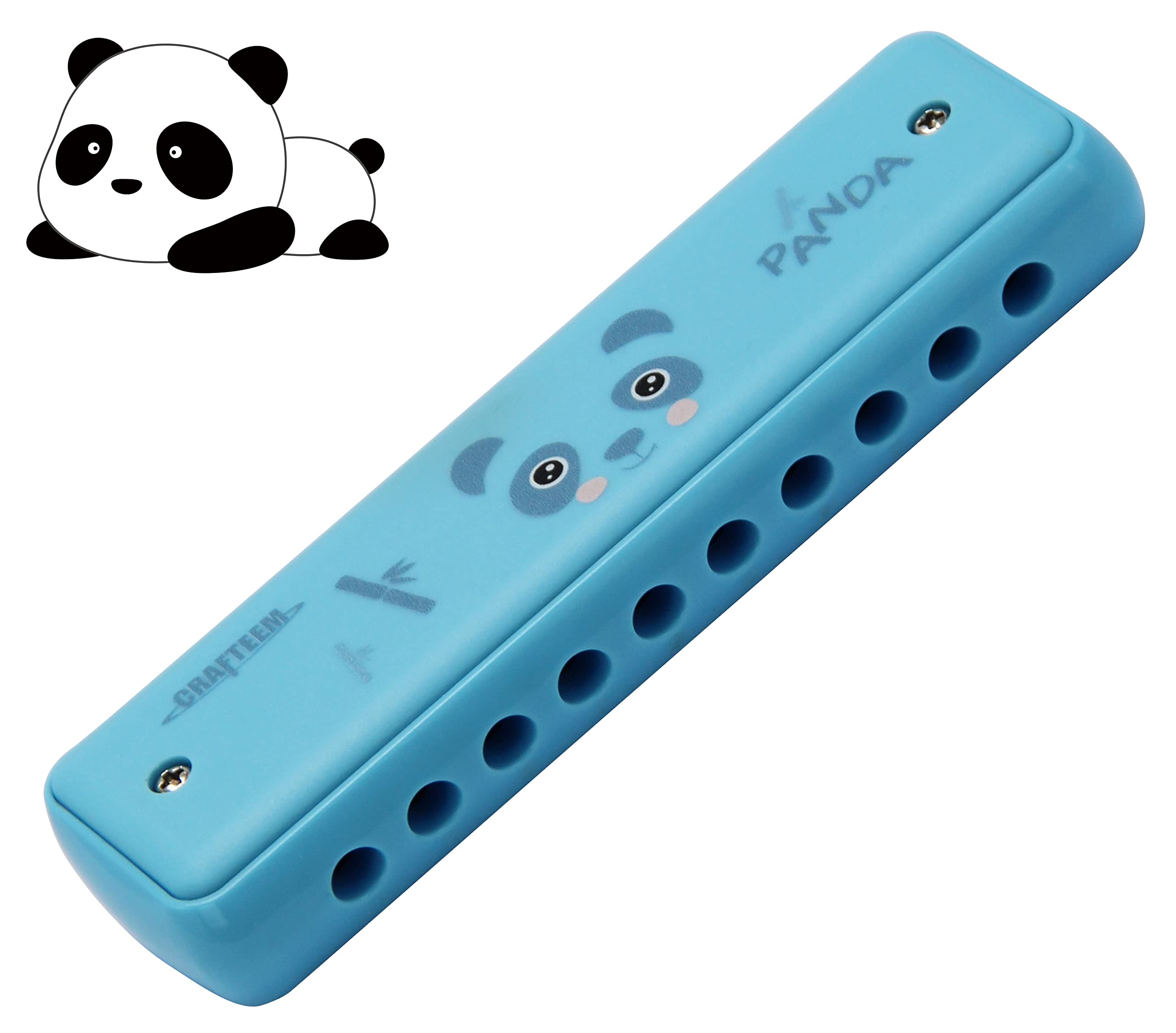
Focusound Panda

Focusound Panda

Toddlers & preschoolers

Doodle Score 9.4/10
Check Price

Worth Noting

  • Costs more than basic uncertified harmonicas, but the safety premium is justified for toddlers.
Key
C
Comb Material
ABS
Reed Material
Brass
Read the full review

The Focusound Panda is ASTM F963 safety certified, with rounded edges and a small size designed specifically for toddlers. It produces a clear, pleasant tone from its brass reeds, and the ABS comb holds up well to drops and spills. The tradeoff is a higher price than basic harmonicas, but that premium buys certified materials and child-safe construction.

Bottom line: If safety is your top priority for a toddler's first instrument, the Focusound Panda delivers peace of mind without sacrificing playability.

#6

East top 008K

East top 008K

Serious beginners

Doodle Score 9.4/10
Check Price

Worth Noting

  • Some units may arrive with an off-note on a specific draw hole due to QC variance.
Key
C
Comb Material
ABS plastic
Reed Material
Phosphor bronze
Read the full review

The East top 008K produces a noticeably richer, more responsive tone than typical entry-level harps, thanks to phosphor bronze reeds and an airtight ABS comb. This makes it a strong choice for serious beginners and hobbyists who want a harmonica that won't hold them back as their skills develop. The stainless steel cover adds durability. However, the occasional unit may have an off-note on a specific draw hole, so checking the instrument early is advisable. Parents looking for a child-specific model should consider dedicated kids' harmonicas instead.

Bottom line: A step up in quality from budget harps, justifying the higher price with better materials and sound.

#7

Eastar Major Blues

Eastar Major Blues

Kids 7+

Doodle Score 9.4/10
Check Price

Worth Noting

  • Durability can vary
Key
C
Comb Material
ABS
Reed Material
Brass
Read the full review

The Eastar Major Blues offers good sound and solid build at a budget-friendly price, making it a fine starter harmonica for a child's first lessons. However, occasional quality control issues mean some units may not hold up under regular play — best suited for light, supervised use rather than daily practice.

Bottom line: Best for parents seeking an inexpensive starter for occasional play, but those expecting consistent long-term use should consider a more durable option.

#8

SWAN Blues

SWAN Blues

Budget buyers

Doodle Score 9.4/10
Check Price

Worth Noting

  • Limited user feedback compared to top-selling models, which may matter for first-time buyers seeking reassurance
Key
C
Comb Material
ABS
Reed Material
Phosphor bronze
Read the full review

The SWAN Blues harmonica delivers impressive sound and build quality from phosphor bronze reeds at an entry-level price, making it a strong value for kids starting out. However, it has less market validation than more established budget picks, which may give cautious buyers pause.

Bottom line: A cost-effective pick for families who prioritize value over brand recognition and are comfortable with a less-known product.

#9

Crafteem Kids

Crafteem Kids

Toddlers 3+

Doodle Score 9.4/10
Check Price

Worth Noting

  • For toddlers with limited lung capacity, producing a note may require more air pressure than expected - a potential source of frustration.
Key
C
Comb Material
Plastic
Reed Material
Phosphor bronze
Read the full review

This harmonica checks important safety boxes with ASTM F963 certification and bright colors that appeal to young children. Many toddlers find it easy to produce sound, but those with weaker lungs may struggle to get a clear note - a limitation that prevents it from being a universal beginner choice.

Bottom line: This harmonica suits families who prioritize safety and color appeal for a child with average or strong breath, but it may not work for children with weaker lungs.

#10

Hohner Blues Band

Hohner Blues Band

First harmonica

Doodle Score 9.2/10
Check Price

Worth Noting

  • In a quiet room, the tone may lack the brightness of higher-end harmonicas
Key
C
Comb Material
Plastic
Reed Material
Brass
Read the full review

The Hohner Blues Band provides a decent tonal range for a plastic-comb harmonica, though it lacks the brightness of pricier models. This makes it a suitable choice for children and beginners who are still developing breath control and ear training — sound purists will want to look elsewhere. The brand name adds confidence for parents, and the price keeps it an accessible entry point.

Bottom line: For families wanting a brand-name harmonica without overspending, this Hohner model is a practical starter.

How to Choose

Why Key of C Matters

Almost all beginner harmonicas are in the key of C because it allows for simple melodies without sharps or flats. For a child, sticking to C ensures they can play along with the most common lesson materials. Don't buy a harmonica in a different key until the basics are mastered.

Reed Material: Brass vs. Phosphor Bronze

Phosphor bronze reeds resist corrosion and maintain tuning longer than brass reeds, especially when exposed to moisture from play. Brass reeds are cheaper and sound fine initially, but may go flat over months of moderate use. For a child who plays occasionally, brass is fine; for a more dedicated learner, phosphor bronze offers better longevity.

Comb Material: Plastic vs. Metal

Plastic combs are lighter, cheaper, and won't expand with moisture, making them ideal for kids. Metal or PVC combs can offer a different tone and more rigidity, but they are heavier and can feel cold in small hands. For children under 10, plastic combs are the safer, more comfortable choice.

The Importance of a Hard Case

A dropped harmonica without a case can go out of tune or damage a reed. Most budget-friendly models include a simple plastic case, but quality varies. If the harmonica you choose does not come with a case, buying one separately is a worthwhile investment to protect the instrument from day one.

Safety Certifications for Toddlers

For children under 5, look for a harmonica with ASTM F963 certification, which ensures no small parts that could choke and no sharp edges. The Focusound Panda holds this certification. Models without it may have rough edges or small screws that come loose, so avoid them for toddlers.

Frequently Asked Questions