Games & Puzzles

12 Best Brain Teaser Puzzles 2026: Portable, Challenging Puzzles for Everyone

Which brain teasers keep kids and adults hooked on the go? This guide picks the best puzzles for travel, skill progression, and family fun.

A brain teaser that sits on a shelf is no good. Most puzzles claim hundreds of challenges, but the early levels are often trivial and the box too bulky to carry. The real test is whether a puzzle actually gets played — on a plane, in a waiting room, or during family game night.

The best brain teasers balance meaningful difficulty progression with real portability. You want something that fits in a bag, starts easy enough to hook a beginner, and ramps up to keep an expert engaged. That combination is harder to find than the glossy packaging suggests.

For families, the choice often comes down to solo depth versus multiplayer energy. A puzzle that one person can sink hours into may not work for two siblings who want a race. This guide covers both approaches, so you can match the puzzle to the moment.

#1

ThinkFun Rush Hour

ThinkFun Rush Hour

Families & STEM

Doodle Score 9.6/10
Check Price

Worth Noting

  • Only 40 challenges may leave enthusiasts wanting more after a few sessions
Material
Plastic
Age Range
8+
Challenges
40 challenges
Play Style
1+ players
Read the full review

With 40 challenges that ramp from beginner to expert, Rush Hour offers a clear progression that keeps players engaged without overwhelming them. The sliding-block mechanism is instantly understandable, making it a strong choice for family game nights. However, the puzzle count is limited; after a few sessions, enthusiastic solvers may want more variety. This suits families who appreciate quality over quantity and prefer a shared experience over solo marathon sessions.

Bottom line: Rush Hour is ideal for families who want a shared logic game with instant rules and rewarding progression, as long as you're content with a contained set of puzzles.

#2

The Genius Square

The Genius Square

Multiplayer racing

Doodle Score 9.6/10
Check Price

Worth Noting

  • Materials feel lightweight and inexpensive for the price
Material
Wood, plastic
Age Range
6+
Challenges
62k+ solutions
Play Style
2 players
Read the full review

The Genius Square shifts the focus from solo puzzling to head-to-head racing. Each round begins with a dice roll that determines the obstacle layout, then both players race to fill their grid using the same set of polyomino shapes. The result is fast, repeatable gameplay with near-infinite variety — ideal for siblings or friends who crave competition. However, the wooden and plastic components feel lightweight, and the price tag may raise expectations for sturdier materials. That tradeoff matters less in a family setting where the speed and replay value take center stage.

Tip: The grid can slide on smooth surfaces during fast races; placing it on a cloth or mat keeps pieces in place.

Bottom line: If you want a brain teaser that turns puzzle time into a competitive event, The Genius Square delivers — just be aware that the build is functional, not luxurious.

#3

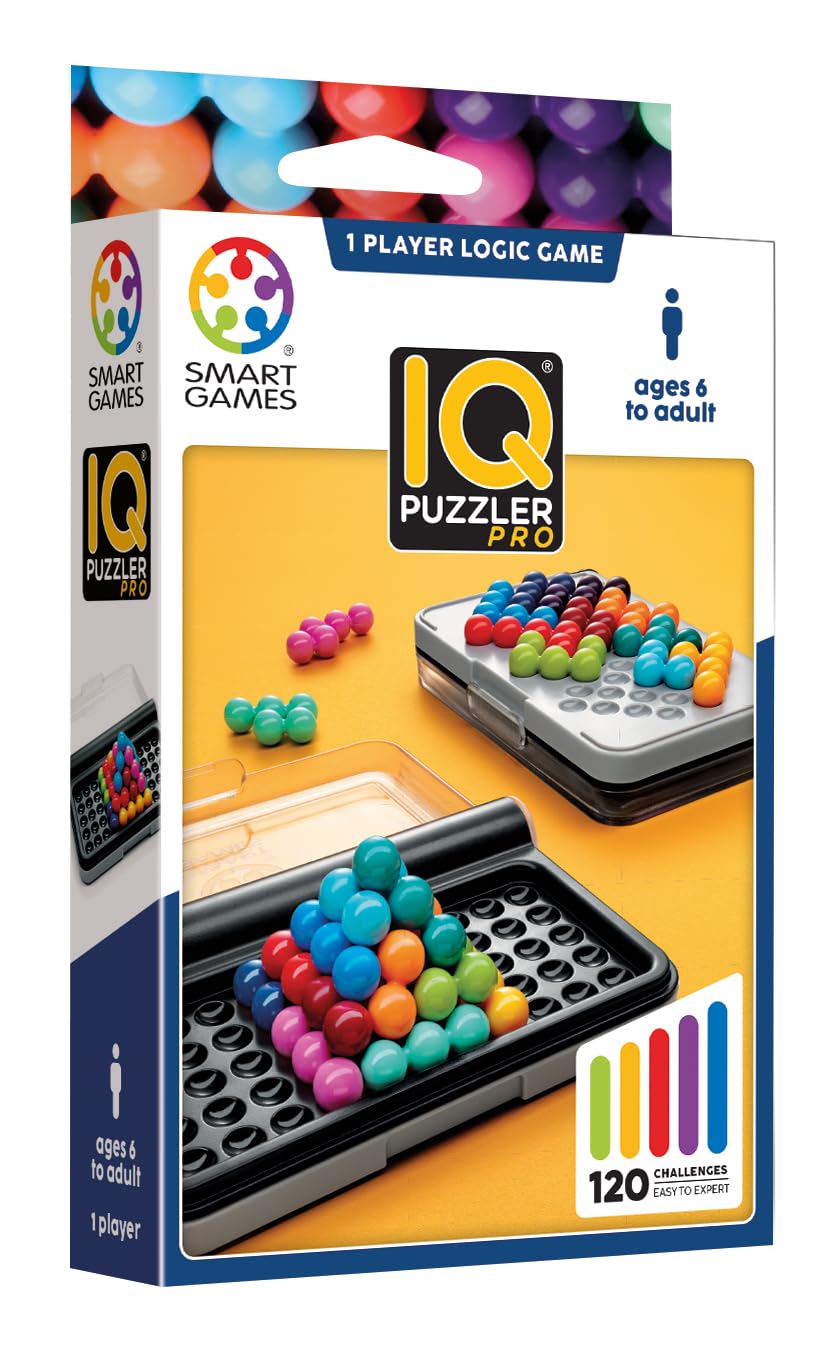
SmartGames IQ Puzzler Pro

SmartGames IQ Puzzler Pro

Travel & Solo

Doodle Score 9.6/10
Check Price

Worth Noting

  • Solo only
Material
Plastic
Age Range
6+
Challenges
120 challenges
Play Style
Solo
Read the full review

The IQ Puzzler Pro packs 120 challenges across 2D and 3D layouts into a compact, hard-shell case that feels built for the road. The difficulty ramps gradually from easy to expert, keeping the brain engaged without the frustration of sudden jumps in complexity.

This is best for solo puzzle fans, from kids 6+ to adults, especially those who travel frequently and need a durable, pocket-friendly option. Just keep in mind it is strictly a single-player game — no head-to-head or cooperative play.

Bottom line: Straightforward pick for solo travelers who want a compact, durable puzzle case with a range of challenges.

#4

Hanayama Cylinder

Hanayama Cylinder

Puzzle collectors

Doodle Score 9.6/10
Check Price

Worth Noting

  • In some units the pieces can separate unexpectedly during use
Material
Cast metal
Age Range
12+
Challenges
1 puzzle (level 4)
Play Style
Solo
Read the full review

The Hanayama Cylinder is an entry-level metal brainteaser that pairs a clever disentanglement mechanism with a sleek, desk-worthy appearance. Its Level 4 difficulty provides a solid mental workout for teens and adults without the extreme demands of higher-rated puzzles. Some units, however, have been noted to come apart during handling, so individual quality control can vary. Because it's less challenging than the Infinity puzzle, those seeking a tougher test should look elsewhere.

Bottom line: If you want an attractive metal puzzle under $15 and can accept occasional unit variance, the Cylinder delivers a satisfying solve and a nice desk accent.

#5

Educational Insights Kanoodle

Educational Insights Kanoodle

Families & Travel

Doodle Score 9.4/10
Check Price

Worth Noting

  • Early puzzles are very straightforward; enthusiasts may find limited depth after the first few challenges
  • Single-player only
Material
Plastic
Age Range
7+
Challenges
228 puzzles
Play Style
Solo
Read the full review

The Kanoodle packs 228 distinct 2D and 3D puzzles into a case roughly the size of a smartphone — no loose pieces, no setup, just flip open and start. The difficulty curve starts gentle, then ramps through spatial reasoning challenges that engage both kids and adults. Overwhelmingly positive feedback points to consistent quality across units and a design that survives being tossed into backpacks and glove compartments.

Best for families with children aged 7 and up who want a solo activity for travel or quiet downtime. The early puzzles are very basic, so experienced puzzle solvers may outgrow it within a few sessions. Likewise, this is strictly single-player — not a substitute for party games or multiplayer options.

Bottom line: The safest all-purpose brain teaser for families and travelers — delivers thousands of puzzle combinations in a pocketable form, as long as you aren't after extreme difficulty or multiplayer action.

#6

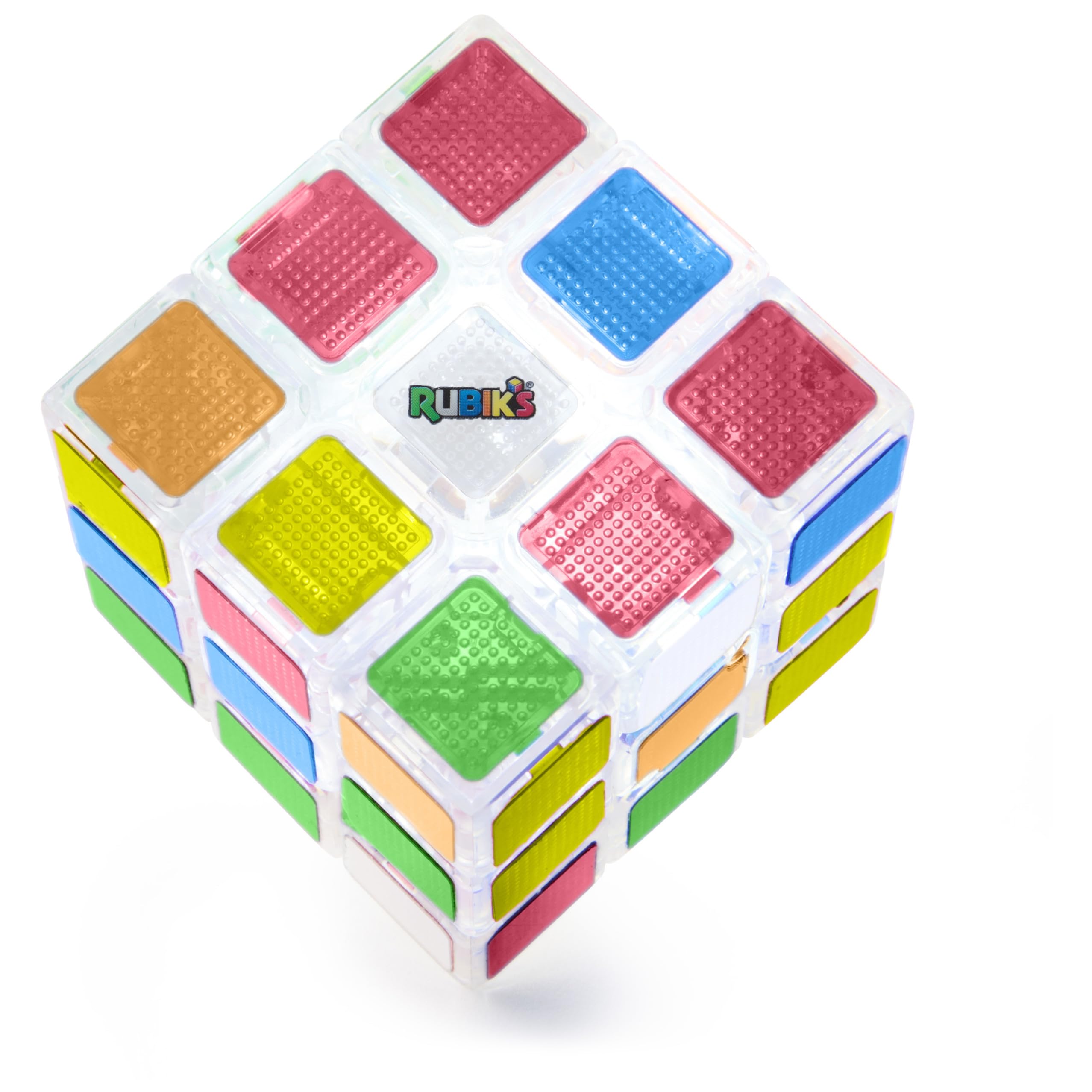
Rubik's Pulse Cube

Rubik's Pulse Cube

Novelty collectors

Doodle Score 9.4/10
Check Price

Worth Noting

  • Build quality may be inconsistent
  • Turning can be sticky or stiff, limiting fast solves.
Material
Plastic
Age Range
8+
Challenges
1 puzzle (timed)
Play Style
Solo
Read the full review

The Rubik's Pulse Cube adds a light-up 60-second countdown to the familiar 3x3, turning each solve into a timed challenge. It's a casual novelty toy best suited for kids and novelty collectors rather than serious speedcubers, who will find the turning sticky and the build inconsistent across units. The timed countdown is fun for casual play, and the reflective surface gives it a distinct look. Just keep expectations grounded: this is a gimmick cube, not a daily driver for fast solves.

Bottom line: Best for kids or casual cubers who want a timed challenge, not for serious solvers or daily use.

#7

Hanayama Infinity

Hanayama Infinity

Expert collectors

Doodle Score 9.4/10
Check Price

Worth Noting

Material
Metal
Age Range
12+
Challenges
1 puzzle (expert)
Play Style
Solo
Read the full review

The Infinity puzzle from Hanayama delivers a level 6 challenge that will occupy dedicated puzzle enthusiasts for hours. Its interlocking metal rings require careful manipulation and logic, making it a satisfying test for experienced solvers. This puzzle is best suited for collectors and gift-givers seeking an elegant desk piece with genuine difficulty. However, some units may have alignment issues that cause the rings to separate too easily, which can diminish the experience for those who plan to solve it repeatedly or handle it often.

Bottom line: A demanding metal puzzle that rewards patience – ideal for the puzzle enthusiast's collection.

#8

Kanoodle Ultimate Champion

Kanoodle Ultimate Champion

Kanoodle fans

Doodle Score 9.4/10
Check Price

Worth Noting

  • Costs more than the original Kanoodle and the timer needs AAA batteries (not included)
Material
Plastic, metal
Age Range
7+
Challenges
500 puzzles
Play Style
Solo
Read the full review

The Kanoodle Ultimate Champion steps up with 500 brain teasers and a battery-powered timer that lets you race against the clock. The metallic pieces add a premium feel, and the puzzle progression keeps you engaged from moderate to expert levels. Where it differs from the original Kanoodle is the sheer volume of challenges and the self-competition element — but that comes at a higher price point.

This version is best for Kanoodle enthusiasts who have already mastered the original and want a bigger library with a timed twist. Solo players who enjoy beating their own records will find plenty of replayability here. Beginners should start with the simpler, lower-cost original. The timer requires AAA batteries (not included), so keep spares handy.

Tip: Keep spare AAA batteries handy so the timer is always ready for a quick session.

Bottom line: For dedicated Kanoodle fans who want the largest puzzle library and a timed challenge, the Ultimate Champion delivers on both fronts — casual solvers should stick with the original.

#9

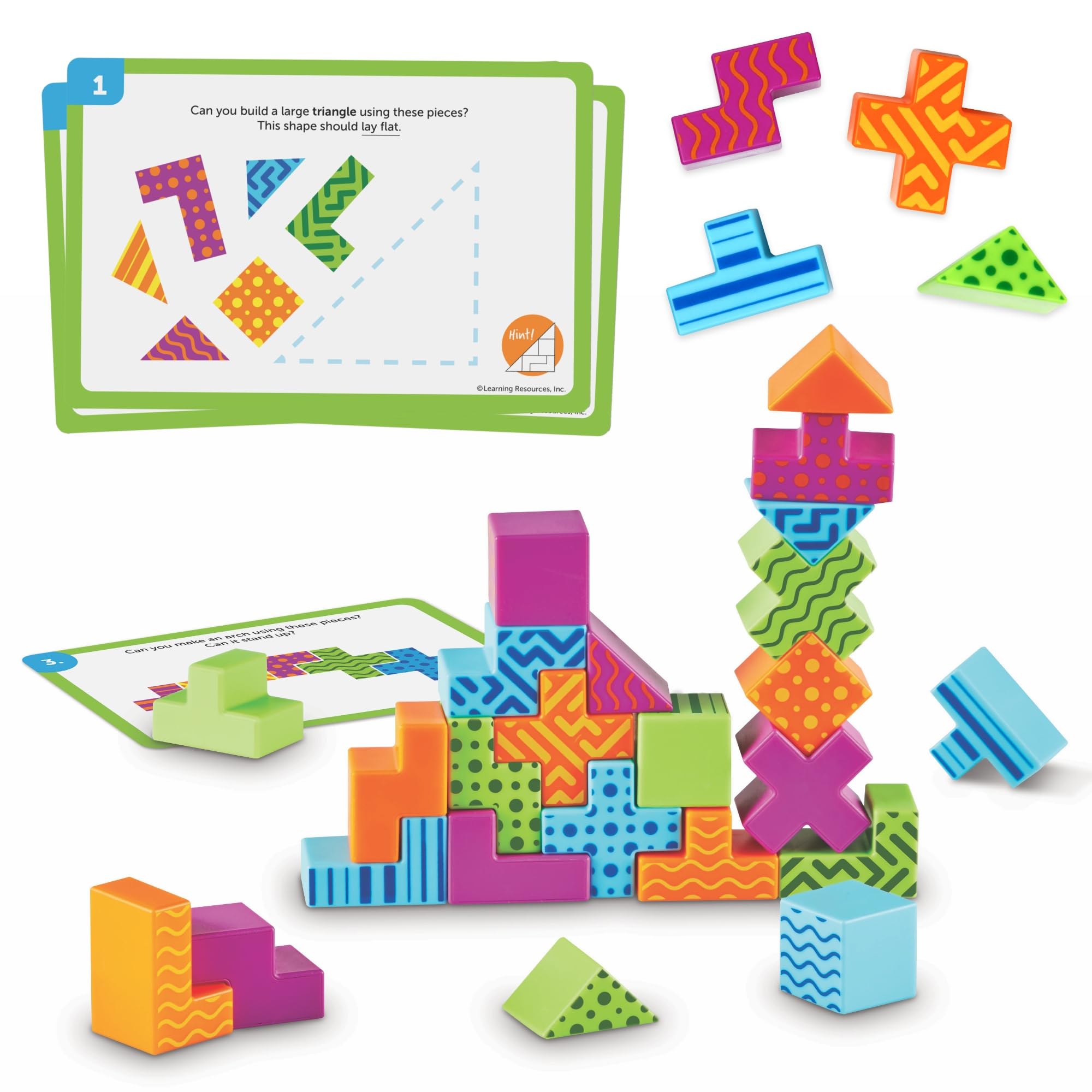
STEM Explorers Brainometry

STEM Explorers Brainometry

Young kids

Doodle Score 9.4/10
Check Price

Worth Noting

  • Pieces are smaller than typical building blocks, which may be difficult for very small hands
Material
Plastic
Age Range
5+
Challenges
10 challenge cards
Play Style
Solo
Read the full review

The 34 blocks offer satisfying shape-building for young solvers, but each piece is noticeably smaller than typical toddler blocks — fine for five-year-olds, but children with very small hands may struggle. The single-player format and limited card set make this a focused learning tool rather than a group activity.

Bottom line: Best suited for a child aged 5–7 who enjoys solo shape puzzles; not ideal for group play or broader age ranges.

#10

SmartGames IQ Fit

SmartGames IQ Fit

Travel solo

Doodle Score 9.4/10
Check Price

Worth Noting

  • Limited verified feedback from users makes it harder to gauge consistency and longevity.
Material
Plastic
Age Range
6+
Challenges
120 challenges
Play Style
Solo
Read the full review

This budget-friendly travel puzzle packs 120 3D challenges into a slim case that slips into a bag. It targets solo players who already trust SmartGames' logic style. The tradeoff: limited verified user feedback compared to the more widely reviewed IQ Puzzler Pro, so real-world durability and difficulty curve are less certain.

Bottom line: Best for SmartGames enthusiasts who want another portable puzzle and don't need extensive third-party validation.

#11

FOLDOLOGY Origami Puzzle

FOLDOLOGY Origami Puzzle

Origami fans

Doodle Score 9.2/10
Check Price

Worth Noting

  • Small card size can make folding and seeing crease lines difficult for some users
Material
Paper
Age Range
10+
Challenges
100 puzzles
Play Style
Solo
Read the full review

This notepad contains 100 origami folding puzzles that progress from simple to challenging. The paper quality and printing are clear, making it easy to follow crease lines. However, the 6x6 cards are quite small — those with larger hands or vision issues may find folding tricky. The paper also lacks durability compared to plastic or metal puzzles, but for the price and portability, it serves well as a travel-friendly brain teaser.

Bottom line: Best for origami fans or travelers who value a mess-free, compact puzzle and don't mind small paper cards.

#12

iDventure Cluebox Camelot

iDventure Cluebox Camelot

Escape room

Doodle Score 9.2/10
Check Price

Worth Noting

  • Laser-cut keys can be fragile under stress.
Material
Birch wood
Age Range
14+
Challenges
1 puzzle box
Play Style
Solo
Read the full review

The iDventure Cluebox Camelot delivers a rich, story-driven puzzle experience with intricate laser-cut birch wood pieces and clever mechanisms. However, it is a one-time solve (though reusable), and its premium price combined with occasional fragility in the laser-cut keys means it suits dedicated puzzle enthusiasts who value craftsmanship over durability.

Bottom line: For escape room fans who want a display-worthy puzzle with a narrative theme, this is a fitting choice – but only if budget allows and careful handling is acceptable.

How to Choose

Challenge Count and Difficulty Progression

A high puzzle count sounds impressive, but many games front-load easy levels and plateau quickly. A set with 200+ puzzles may only offer 30 that genuinely challenge an experienced solver. Look for reviews that mention difficulty ramps and whether the later puzzles require new strategies.

The best puzzles space their challenges across multiple skill tiers. For example, a game that starts with simple 2D arrangements and moves to 3D spatial reasoning keeps the brain engaged much longer than one with similar-looking puzzles that just get slightly harder.

Portability and Travel Readiness

A puzzle that can’t leave the house is half as useful. The most portable options include a built-in storage case that prevents piece loss and doubles as a board. Compact designs under 8 inches wide fit in a backpack pocket or a grow bag. Larger wooden boxes or folding boards are better for home use.

Consider how the puzzle handles on a lap tray or airplane seat. Magnetic pieces or a non-slip surface help, while loose pieces that require a flat table make travel frustrating. The best travel puzzles are self-contained and require no setup space beyond your hands.

Age Appropriateness and Skill Level

Age labels are a starting point, but puzzle difficulty varies widely within the same range. A game rated 8+ may still frustrate a 10-year-old if it relies on abstract reasoning they haven’t developed. Conversely, a puzzle rated 12+ might be solvable by a curious 9-year-old with good spatial skills. Check reviews from parents of similar-aged children to gauge real-world difficulty.

The skill level also affects replay value. Puzzles that are too easy become boring after one session; those that are too hard can be abandoned. A progressive difficulty system that starts with approachable challenges and builds to expert levels is the sweet spot for most buyers.

Play Style: Solo vs. Multiplayer

Solo puzzles offer quiet concentration and personal progression, but they don’t bring the family together. Multiplayer puzzles add competition and social interaction, which can increase replayability. However, true multiplayer brain teasers are rare — most are solo games that allow turn-taking. Dedicated two-player races like The Genius Square are designed for simultaneous play.

If you’re buying for a household with multiple children, a 2-player race often gets more use than a solo puzzle. But if the intended user is an only child or an adult who wants to unwind alone, a solo puzzle provides more depth and focus.

Material Quality and Durability

Materials determine how a puzzle feels in hand and how long it lasts. Metal puzzles offer a satisfying heft and precision, but some units may have alignment issues that cause them to fall apart. Plastic puzzles are lightweight and affordable, but thin plastics can crack under pressure. Wooden puzzles look premium but are susceptible to splitting if dropped.

The trade-off is between weight and longevity. A heavy metal puzzle won’t break easily but is less portable. A budget plastic puzzle is easy to carry but may not survive repeated drops. For frequent travel, a well-made plastic case with secure closures is a practical compromise. For desk display or collector use, a metal or wood puzzle feels more substantial.

Frequently Asked Questions