STEM & Learning

12 Best Educational Toys of 2026: Find the Right Fit for Every Age and Skill

Which educational toys actually teach without frustrating kids? This guide helps parents match toys to their child's age and learning style.

Many educational toys promise STEM skills but deliver frustration when pieces split, magnets weaken, or batteries die mid-play. Wooden puzzles chip, magnetic tiles vary in hold, and interactive books can lose sound — common pain points that turn learning time into cleanup time.

The real trick is matching the toy to the child's stage and tolerance for assembly. A 3-year-old who loves twisting latches needs something different from a 5-year-old counting cubes. Durability and reset time matter more than the 'STEM' label on the box.

This guide focuses on toys that deliver on their learning promise for the specific age and skill range they target, and that hold up to daily use — so you buy once and avoid the disappointment of a broken toy after a month.

#1

MAGNA-TILES 32pc

MAGNA-TILES 32pc

Creative building

Doodle Score 9.8/10
Check Price

Worth Noting

  • Magnet strength may be weak for tall structures; best for tabletop builds
  • Price per piece is high compared to larger sets
Age Range
3+ years
Durability
MABS plastic, riveted
Portability
Compact set (32pc)
Interactivity
Hands-on building
Read the full review

Food-grade MABS plastic and riveted magnets make this the most durable magnetic tile option among similar sets. As the original brand, it’s built to withstand years of play. The 32-piece count is low, so it’s best for small-scale building or as a starter set. For tall structures, the magnets may not hold as well – a tradeoff for the premium build quality. This set suits parents who prioritize safety and durability over piece quantity. It’s ideal for preschoolers 3+ learning spatial concepts, but if you need large towers, the magnetic grip can be insufficient, and the per-piece cost is higher than budget alternatives.

Tip: Use this set for 2D patterns and small 3D structures; for tall towers, reinforce with additional sets or larger tiles.

Bottom line: For parents wanting a durable, safe first magnetic tile set who don't need a massive piece count, this delivers quality that lasts – but budget-conscious buyers should consider larger sets for more building options.

#2

LeapFrog 100 Words Book

LeapFrog 100 Words Book

Bilingual toddlers

Doodle Score 9.6/10
Check Price

Worth Noting

  • Sound output may weaken over months of use, often due to battery contact corrosion.
  • Some units stop working after being dropped; the speaker or wiring can loosen inside.
Age Range
18-48 months
Durability
Plastic, toddler-proof
Portability
Lightweight, portable
Interactivity
Battery-powered, sound
Read the full review

With over 146,000 reviews and a near-perfect rating, this book has become the go-to first learning toy for parents. It covers 100 words across 12 everyday categories in both English and Spanish, with a touch-and-play interface that keeps toddlers tapping and listening. The plastic build handles drops and spills better than most electronic toys in this price range.

This is best suited for toddlers 18 to 48 months who are building their first vocabulary. It is not a reading or phonics tool — it labels objects and plays sounds only. For bilingual families or anyone wanting early exposure to a second language, the dual-language switch is a genuine feature rather than a gimmick. Children beyond age four or those ready for sentences will outgrow it quickly.

Tip: Replace batteries at the first sign of sound drop-off and check contacts for corrosion — this usually restores full volume.

Bottom line: If you want a cost-effective first vocabulary toy that holds up to daily toddler use, this is the safest bet in the budget range.

#3

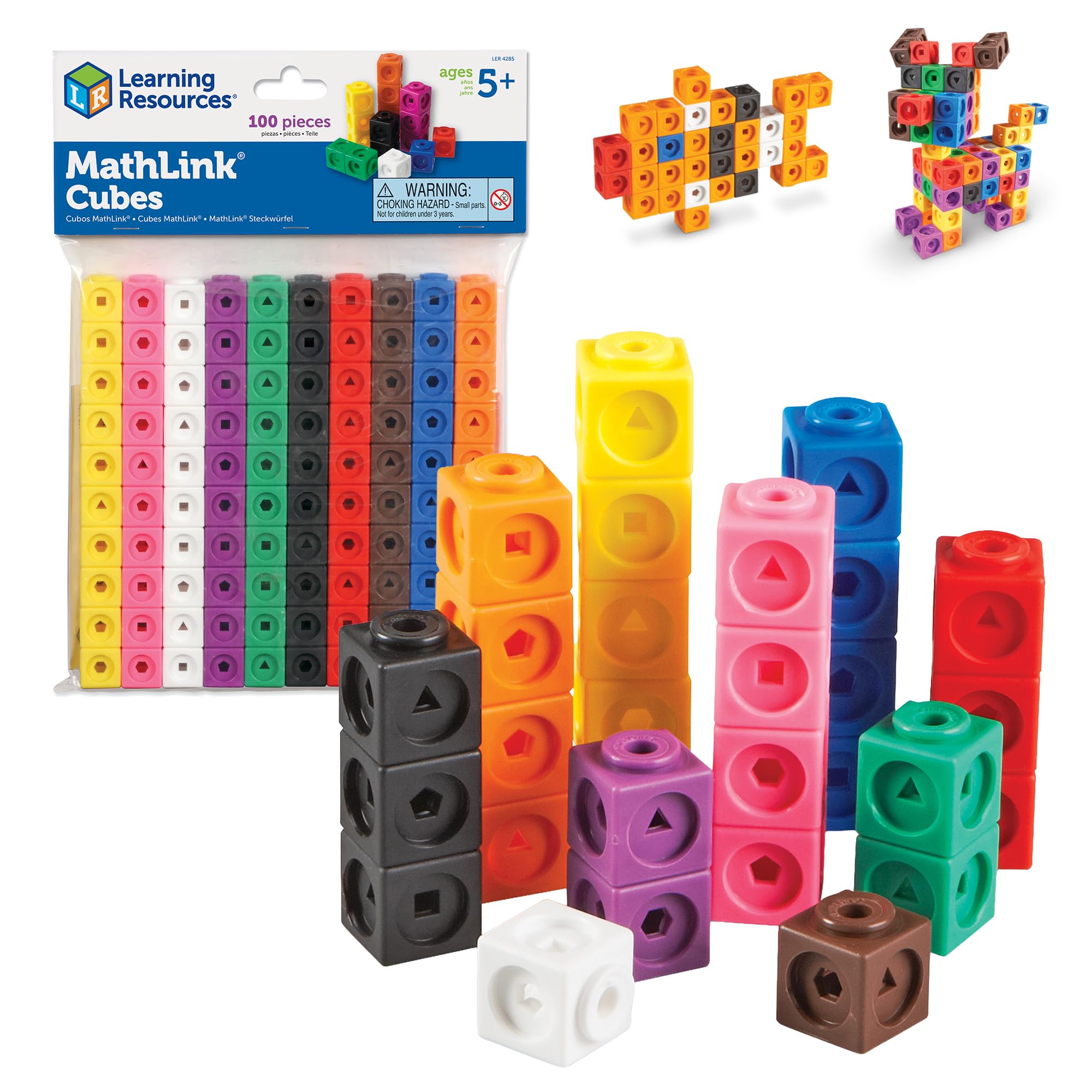
Learning Resources MathLink

Learning Resources MathLink

Kindergarten math

Doodle Score 9.6/10
Check Price

Worth Noting

  • Some cubes may separate when the structure is jostled, which can interrupt a child's work
  • Tight snap connection can be very hard for small hands to press together and pull apart
Age Range
5+ years
Durability
Durable plastic
Portability
Storage container
Interactivity
Hands-on snapping
Read the full review

For kindergarten and homeschool math practice, these cubes deliver hands-on counting and patterning that connect abstract numbers to physical objects. Unlike show-themed alternatives that rely on character appeal, this set keeps focus on foundational math skills without distractions. The tight snap connection prevents towers from collapsing during play, but it also makes the cubes challenging for small fingers to connect and separate. Best for caregivers or teachers guiding children ages 5+ through structured activities, not for independent play by children with weak hand strength.

Tip: Press cubes together on a hard surface rather than pinching between fingers — reduces strain on small hands.

Bottom line: This set is a solid fit for structured math lessons where an adult helps with assembly, but less suited for young children playing solo.

#4

See & Spell

See & Spell

Spelling practice

Doodle Score 9.6/10
Check Price

Worth Noting

Age Range
4+ years
Durability
Wooden boards
Portability
Storage box
Interactivity
Self-correcting spelling
Read the full review

The See & Spell set stands out with its self-correcting boards: each letter slot fits only the correct letter, giving immediate feedback during spelling practice. This is a different focus from the top pick's vocabulary book, targeting letter recognition and early spelling rather than word recall. It suits preschoolers 4+ who can handle small pieces, but the wooden letters may chip with frequent use, and some boards have rough edges that benefit from a quick sanding before handing to a child.

Tip: Lightly sand any rough edges on the boards before giving to children.

Bottom line: A practical spelling tool for families who value hands-on learning and can accept some letter wear, but those seeking a more durable option should consider the top pick's interactive book.

#5

PicassoTiles 100pcs

PicassoTiles 100pcs

Creative builders

Doodle Score 9.6/10
Check Price

Worth Noting

  • Magnets can be weaker than premium brands, and some sets may show inconsistent magnetism
Age Range
3+ years
Durability
Plastic with magnets
Portability
Bucket storage
Interactivity
Magnetic assembly
Read the full review

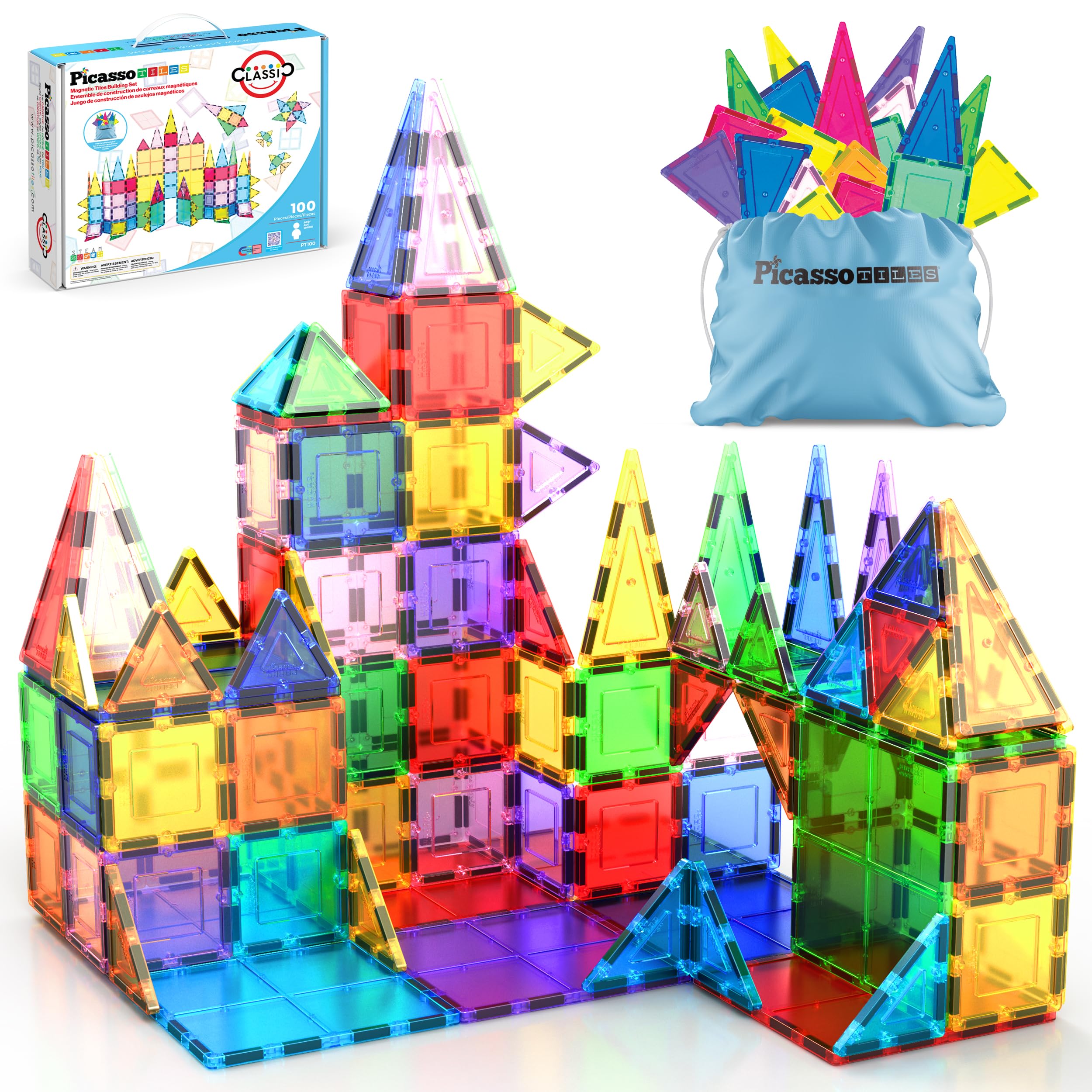
This 100-piece set offers the best value for quantity among magnetic tile options, providing plenty of pieces for creative building at a mid-range price. Magnets can be weaker than premium brands like MAGNA-TILES, and some sets may show inconsistent magnetism – ideal for floor-level play rather than tall structures.

Bottom line: Best for families who want a high piece count for group play and don't need the strongest magnets for tall structures.

#6

Brain Flakes 500pc

Brain Flakes 500pc

Creative builders

Doodle Score 9.6/10
Check Price

Worth Noting

  • Tight snap requires significant hand strength
Age Range
3+ years
Durability
Non-toxic plastic
Portability
Jar storage
Interactivity
Interlocking discs
Read the full review

With 500+ plastic discs in a jar, this set provides an enormous number of pieces for the price, encouraging open-ended creativity and fine motor practice. The tight snap connection can be difficult for small hands, and thin discs may crack under pressure – better suited for older preschoolers and up who can handle the assembly effort.

Bottom line: Best for older preschoolers and elementary-age kids who enjoy independent building and don't mind a firm press – avoid for toddlers or those needing easy assembly.

#7

Numberblocks MathLink

Numberblocks MathLink

Numberblocks fans

Doodle Score 9.6/10
Check Price

Worth Noting

  • Stickers may peel off during play; cubes need a firm snap that can be difficult for little hands
Age Range
3+ years
Durability
Plastic cubes
Portability
Box storage
Interactivity
Snap-together cubes
Read the full review

Numberblocks fans will find these cubes instantly engaging, with character faceplates and 30 hands-on activities that teach counting and number sense. The stickers that bring the characters to life can peel off with regular play, and the cubes require a firm snap that some small hands find challenging — but for a child obsessed with the show, the motivation outweighs these tradeoffs.

Bottom line: Best for Numberblocks-obsessed kids who will overlook the sticker and snap frustrations — for general math learning, consider a more durable set like the standard MathLink Cubes.

#8

Melissa & Doug Abacus

Melissa & Doug Abacus

Counting skills

Doodle Score 9.6/10
Check Price

Worth Noting

  • Some units have rough edges or splinters that may require sanding before use
Age Range
3+ years
Durability
Solid wood
Portability
Sturdy frame, portable
Interactivity
Bead sliding
Read the full review

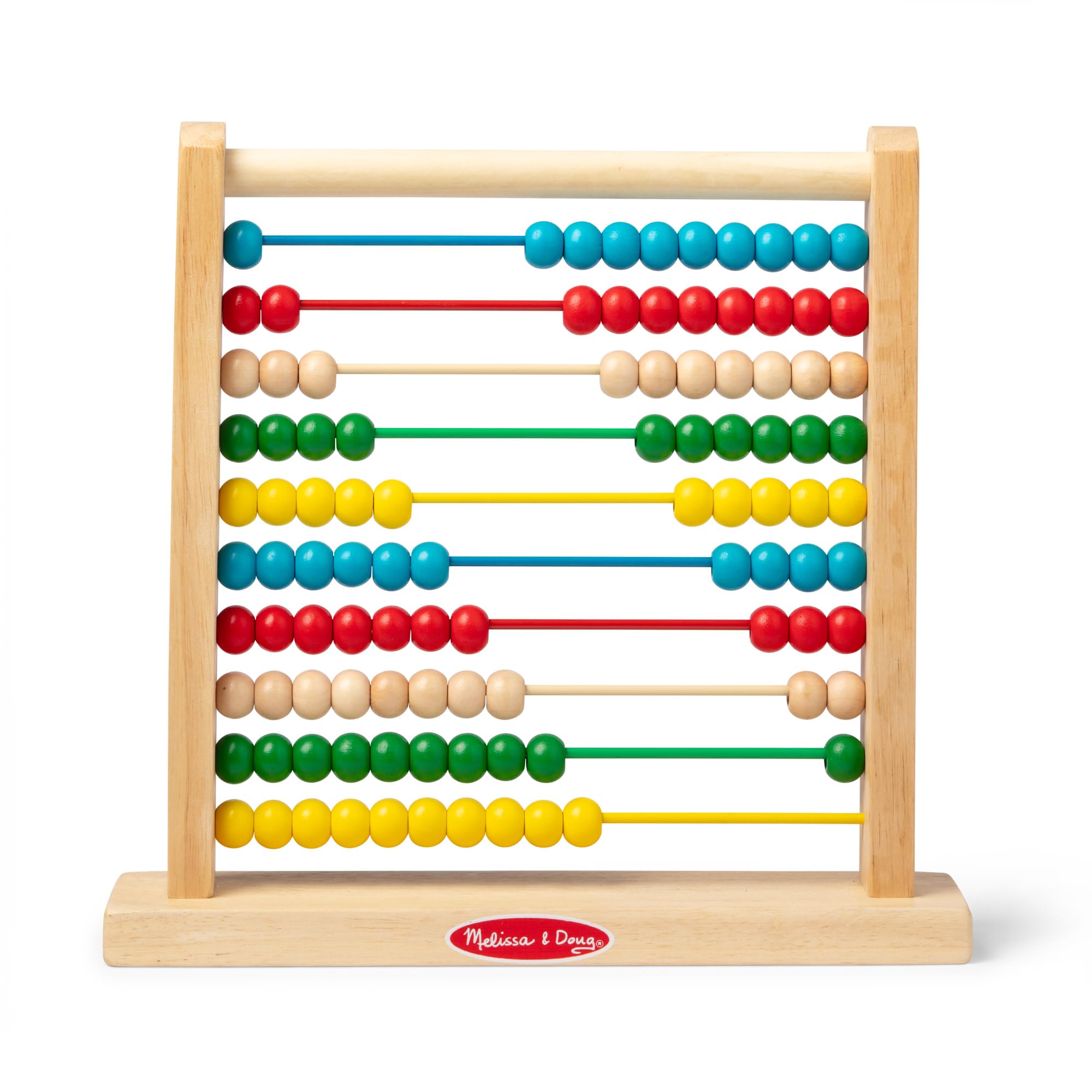
This wooden abacus delivers a durable, colorful tool for counting and basic arithmetic that has earned a place in classrooms for decades. The 100 beads slide smoothly, offering screen-free math practice. However, some units arrive with rough edges or splinters, making it unsuitable for children who still mouth toys. It is a simple, effective tool but less engaging than interactive electronic alternatives.

Bottom line: A budget-friendly option for families who want a screen-free math tool and are willing to check for splinters before giving it to a child.

#9

FNJO 110PCS Tiles

FNJO 110PCS Tiles

Creative builders

Doodle Score 9.6/10
Check Price

Worth Noting

  • Some tiles may develop hairline cracks under stress
Age Range
3+ years
Durability
ABS plastic
Portability
Box storage
Interactivity
Magnetic assembly
Read the full review

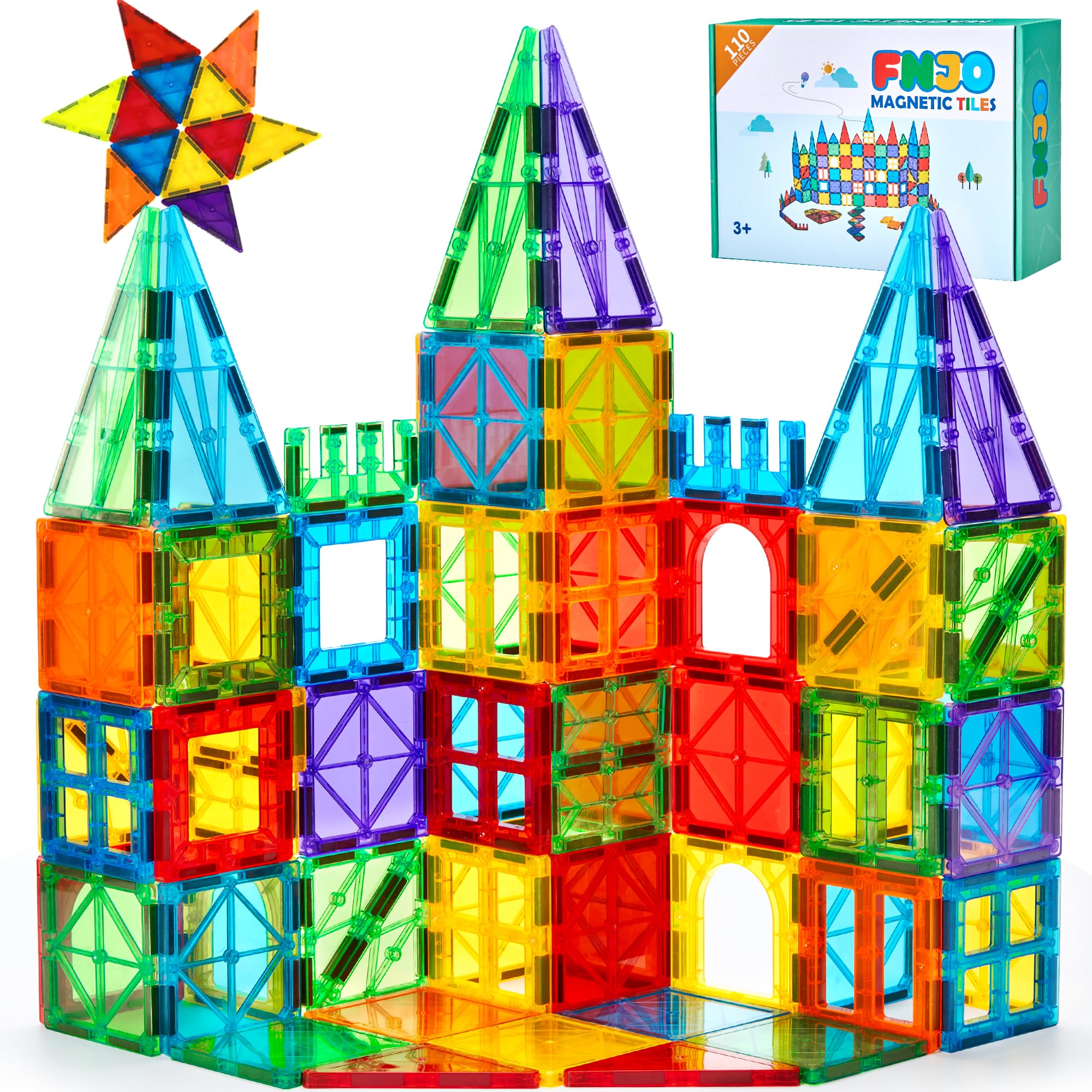
This set delivers 110 pieces at a mid-range price, giving families and classrooms plenty of shapes for creative construction. The ABS plastic tiles hold together well enough for most structures, though individual units may have weaker magnets. For buyers who prioritize piece count over premium magnet strength, this is a solid alternative to pricier sets like PicassoTiles.

Bottom line: A good fit for budget-conscious families who want lots of pieces and can accept occasional magnet or durability variance.

#10

Skillmatics Search & Find

Skillmatics Search & Find

Vocabulary skills

Doodle Score 9.4/10
Check Price

Worth Noting

  • Markers can dry out quickly
  • Some may find the set overpriced for six mats
Age Range
3-6 years
Durability
Cardboard mats
Portability
Travel-friendly mats
Interactivity
Reusable dry-erase
Read the full review

The Skillmatics Search & Find set offers 12 double-sided activity mats that build vocabulary and observation through repeatable search-and-find games. Unlike the top pick's audio-based approach, this is a fully hands-on, screen-free activity well-suited for travel or quiet time. Each mat wipes clean easily, allowing repeated use. The included markers may dry out faster than expected, and the set's price for six mats can feel steep—families who already own dry-erase pens can swap them in without issue.

Tip: Store markers horizontally and replace with any standard dry-erase pens for longer use.

Bottom line: A capable travel-friendly vocabulary builder for families who value reusability over audio interaction—just plan to replace markers or use your own.

#11

Gravity Maze

Gravity Maze

Logic puzzles

Doodle Score 9.2/10
Check Price

Worth Noting

Age Range
8+ years
Durability
Plastic towers
Portability
Compact box
Interactivity
Logic challenges
Read the full review

Gravity Maze offers 60 levels of increasing difficulty that teach logic and spatial reasoning through trial and error. The set includes 9 towers and 3 marbles, with challenge cards that grow in complexity. Unlike basic counting manipulatives, this game builds planning and spatial skills. It works best for children aged 8 and older who enjoy persistent puzzle-solving; younger or less patient kids may find later puzzles frustrating, and the instruction manual can be unclear without adult guidance.

Tip: Have an adult walk through the instruction manual before starting to avoid confusion with puzzle setup.

Bottom line: A challenging logic game that grows with the child — ideal for kids 8+ who enjoy puzzles and are ready for a mental workout.

#12

Lite Brite Classic

Lite Brite Classic

Creative art

Doodle Score 9.2/10
Check Price

Worth Noting

  • No embedded learning objectives; purely open-ended creative play.
Age Range
4+ years
Durability
Plastic pegs
Portability
Compact, battery
Interactivity
Light-up art
Read the full review

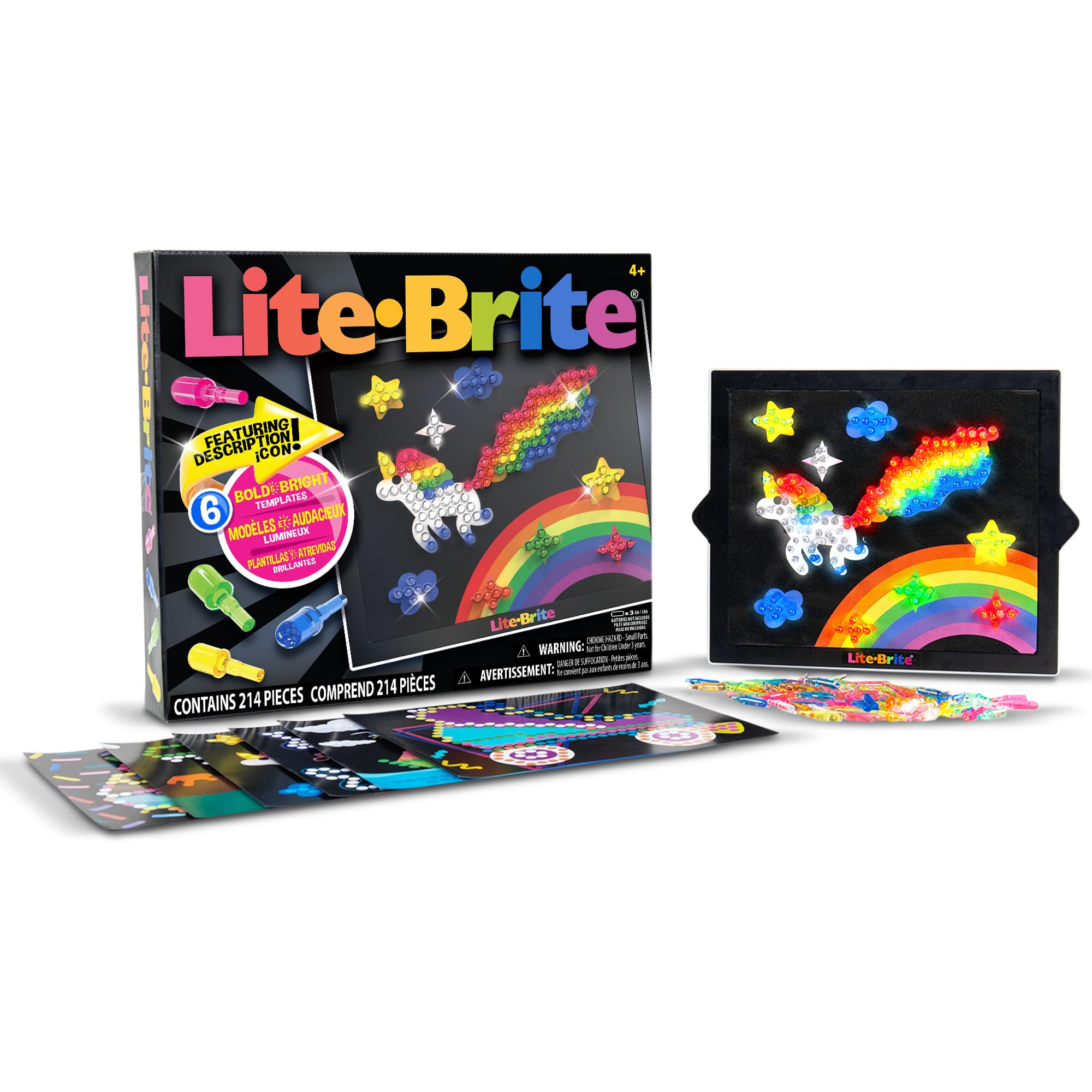
The Lite Brite Classic lights up with 206 pegs and four light modes, inviting kids to create colorful designs. This is fine-motor practice in a wrapped-in-nostalgia package, but it lacks built-in educational objectives or curriculum alignment. Best as a screen-free creative outlet rather than a focused learning toy.

Bottom line: A fun nostalgic art toy, but for parents seeking structured educational outcomes, consider this a creative supplement rather than a primary learning tool.

How to Choose

Age Range and Skill Level

A toy that requires fine motor control or reading will frustrate a child who hasn't reached that milestone. For toddlers, large buttons and simple cause-and-effect (sound, lights) keep interest. For preschoolers, open-ended construction or self-correcting puzzles build confidence.

The hidden trade-off: toys labeled for a wide age range often miss the mark at either end. A '3+' magnetic set may be too easy for a 6-year-old and too hard for a 3-year-old to snap. Always check the specific skill prerequisites, not just the age sticker.

Primary Learning Domain

Different toys target different cognitive skills: language, math, logic, or spatial reasoning. A bilingual book builds vocabulary but does little for counting. A marble maze strengthens logic but won't teach letters. Choose based on what the child needs most right now.

The hidden trade-off: toys that claim to cover multiple domains often do none well. A 'STEM' building set might include numbers on bricks, but the real learning comes from the construction process, not the printed digits. Focus on the primary mechanism — is it hands-on building, listening, or puzzle-solving?

Durability

Wooden toys can last decades but are sensitive to moisture and rough play; edges may splinter or pieces chip. Plastic toys resist drops better but magnets in tiles can weaken over time, especially when exposed to heat or repeated stress.

The hidden trade-off: cheaper materials save money upfront but lead to broken pieces and frustrated kids. For example, thin plastic discs in building sets snap under pressure from small hands, while thicker ABS plastic handles the torque. Check for riveted magnets (MAGNA-TILES) versus glued ones (budget brands) for longevity.

Interactivity and Engagement

Battery-powered toys with sound and lights can hold attention but risk becoming passive entertainment. The best interactive toys require a physical action from the child — pressing a button, sliding a bead, snapping a cube — that directly produces a response.

The hidden trade-off: low-interactivity toys (like a plain abacus) often have higher long-term replay value because the child invents their own uses rather than following a script. A toy that does all the work (e.g., talking books) may be ignored after the first week if the child can't control the pace.

Portability and Storage

Travel-friendly toys need to be compact and have a secure storage solution to avoid lost pieces. Magnetic tiles stored in a bucket are easy to transport but can spill; dry-erase mats fit in a diaper bag but require markers that dry out.

The hidden trade-off: larger piece sets (500+ pieces) offer more creativity but demand dedicated storage. If the toy is scattered across the living room, cleanup time reduces play frequency. Sets with a built-in container or zip pouch encourage regular use.

Frequently Asked Questions