STEM & Learning

12 Best Robotics Kit for Kids 2026: Kits That Work Without Frustration

Find the robotics kit that actually works for your child – reliable builds, clear instructions, and real learning without the frustration of faulty electronics.

Buying a robotics kit for a child often means choosing between a simple kit that works and a programmable one that may frustrate. Many parents discover that app-connected robots lose their pairing, motors fail, or instructions assume expert knowledge. The result is a half-built kit collecting dust.

But a reliable robotics experience doesn't require avoiding technology altogether. The most successful kits focus on mechanical principles and straightforward builds. They teach real engineering without the digital hiccups. This guide highlights kits that prioritize reliability and clear assembly paths, so your child actually finishes the project and learns something.

#1

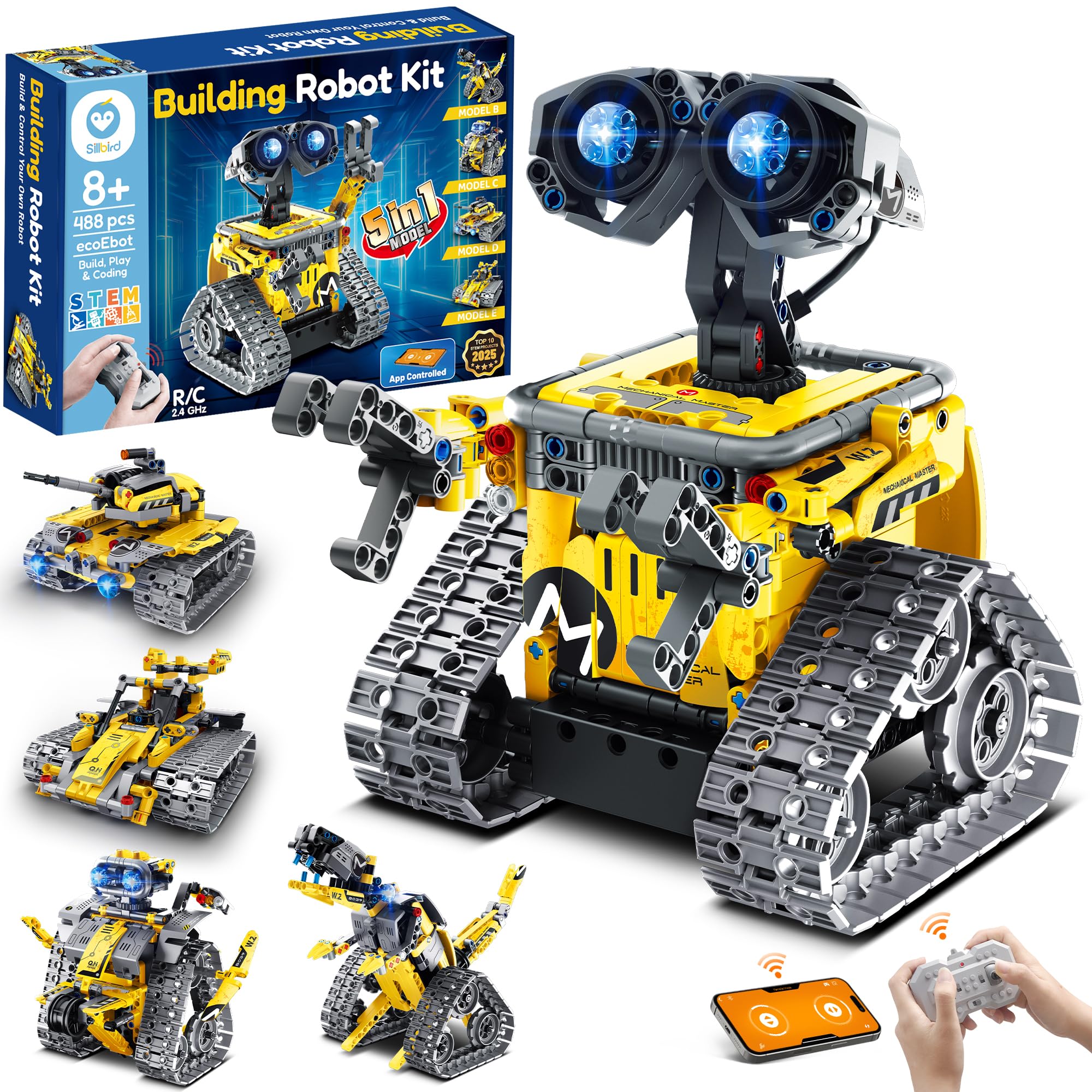
Sillbird 5in1 Robot

Sillbird 5in1 Robot

Block-building fans

Doodle Score 9.4/10
Check Price

Worth Noting

  • App pairing may fail to connect, limiting Bluetooth control.
  • Motors can stop working in some units, reducing play value.
Robot Type
Transformable robot set
Power Source
Rechargeable (included)
Models Included
5 models
Assembly Difficulty
Moderate, block-style
Read the full review

With 488 pieces and five model options (robot, dinosaur, car, tank, and more), this set delivers substantial building variety. The blocks fit together firmly and hold well during play, making the assembly experience satisfying for kids who enjoy construction. Unlike a purely mechanical kit, this one adds electronic controls, but those extras come with tradeoffs.

This works best for children ages 8–12 who love following building instructions and want a vehicle or robot they can drive around with the included remote. The app pairing can be inconsistent, and some units arrive with motors that don't spin. If your child's priority is a smooth, frustration-free experience, a fully mechanical kit like the top pick is a safer choice.

Tip: Stick with the remote control for basic movement; the app adds little value and can be unreliable.

Bottom line: Best for kids who enjoy building blocks and don't mind if the remote control part occasionally needs troubleshooting.
#2

Smartivity Robotic Hand

Smartivity Robotic Hand

Anatomy & mechanics

Doodle Score 9.2/10
Check Price

Worth Noting

  • Assembly can be tricky for young builders; adult help is recommended for kids under 10
Robot Type
Mechanical hand
Power Source
Manual (none)
Models Included
1 model
Assembly Difficulty
1 hour, adult help
Read the full review

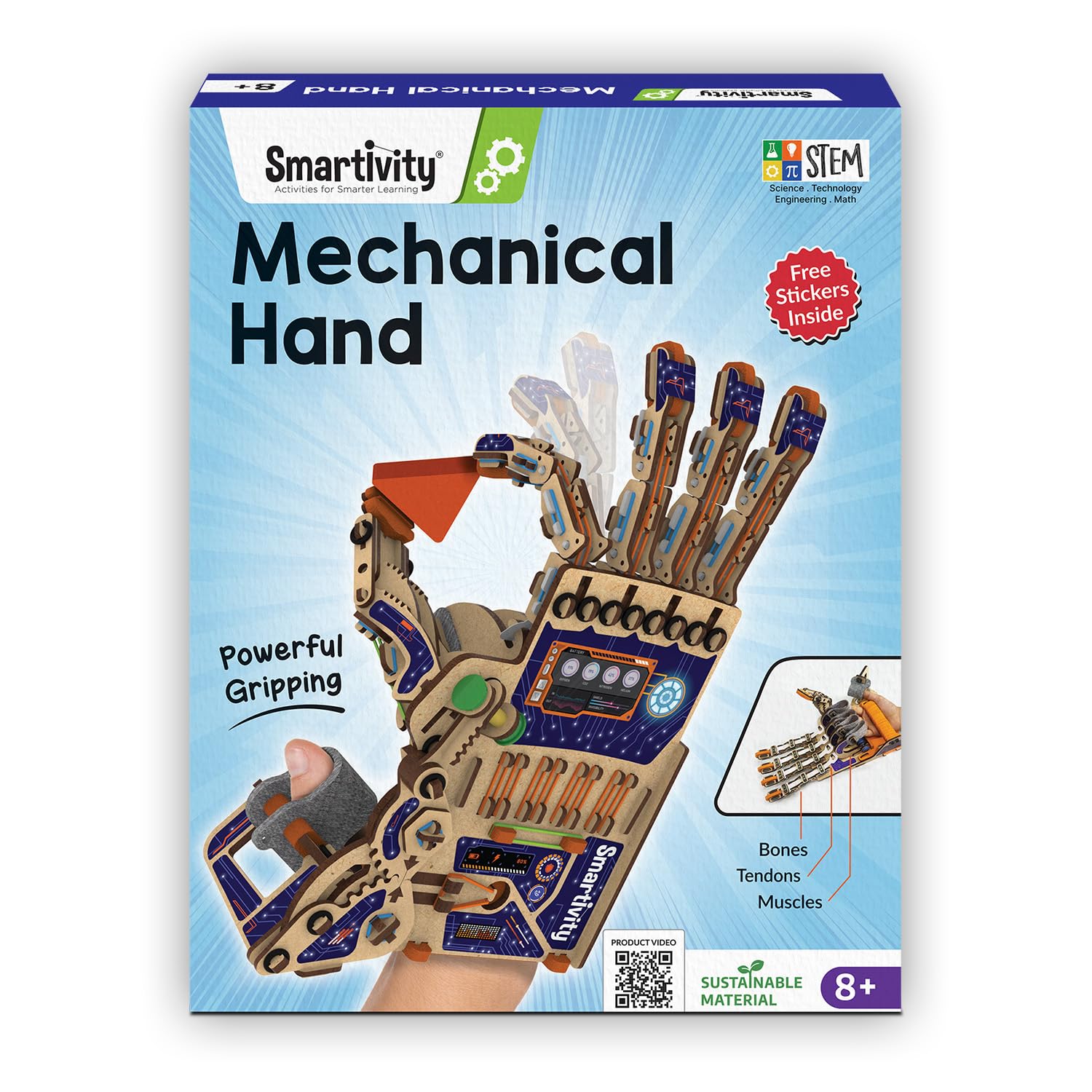
Zero electronic failure rate and no programming needed: the Smartivity hand uses string-and-pulley mechanics to replicate finger movement. Kids learn real mechanical principles like tension and leverage as they build, and the hand's grip action responds immediately every time.

The build itself is engaging and satisfying, but it demands focus. Younger children especially may struggle with the wooden pieces and string threading; adult help is recommended for anyone under 10. Once assembled, the hand picks up objects reliably and sparks conversations about how our own hands work.

This kit suits kids ages 8 to 14 who are curious about anatomy or mechanics, and parents who want a screen-free activity that works without app pairings or battery replacements. It is also a strong fit for budget-conscious families looking for a cost-effective STEM toy that holds up to repeated use.

Tip: Plan for adult involvement if your child is under 10; the assembly requires patience and precision.

Bottom line: For parents who want a STEM kit that works without frustration and teaches real mechanics, the Smartivity hand delivers exactly that.

#3

Makeblock mBot

Makeblock mBot

Coding & robotics

Doodle Score 9.2/10
Check Price

Worth Noting

  • Bluetooth pairing can be inconsistent across different mobile devices.
  • Sensor precision may vary between units, affecting line-following reliability.
Robot Type
Arduino robot car
Power Source
AA batteries
Models Included
1 model
Assembly Difficulty
Easy, 15 min
Read the full review

The mBot provides a structured path from block-based Scratch to text-based Arduino coding, a curriculum progression trusted in many classrooms. It assembles in roughly 15 minutes and responds immediately to control commands, which keeps younger builders engaged.

This robot suits families where a parent or older sibling can help troubleshoot Bluetooth pairing and minor sensor inconsistencies. For kids solely focused on mechanical assembly without coding, a more reliable mechanical kit like the top pick may be preferable. But for those committed to learning programming, the mBot teaches real coding skills that transfer to other platforms.

Tip: Test Bluetooth pairing with your device before first use; some Android tablets require a Bluetooth 4.0+ adapter.

Bottom line: The mBot is the right choice for families who value programming education over plug-and-play reliability, provided they are prepared for occasional technical hiccups.

#4

ELEGOO Robot Car Kit

ELEGOO Robot Car Kit

Arduino enthusiasts

Doodle Score 9.2/10
Check Price

Worth Noting

  • Pre-loaded code may need debugging; sensor calibration can be finicky.
  • Instructions assume some prior knowledge, which can frustrate beginners.
Robot Type
Arduino robot car
Power Source
Rechargeable Li-Ion
Models Included
1 model
Assembly Difficulty
Moderate, troubleshooting
Read the full review

The ELEGOO UNO R3 Robot Car Kit pairs an official Arduino board with obstacle avoidance, line tracking, IR, and Bluetooth sensors — a proper robotics playground. The hardware is solid: thick acrylic chassis, organized fasteners, and decent motors. It moves beyond simple mechanical kits by teaching real coding and electronics, though the pre-loaded code and sensor calibration can throw initial projects off course.

This kit fits kids ages 10-14 who have an adult willing to help debug why the robot isn’t following the line or avoiding objects as expected. The build is engaging, but the troubleshooting phase is part of the learning curve — not a flaw. For families exploring STEM, it offers a deeper dive than pre-programmed toys, and the reward is a working car and a real grasp of Arduino programming.

Tip: Check the online community for updated code and calibration guides before starting.

Bottom line: A real Arduino car kit for kids who want to learn coding and robotics, provided an adult is on hand for the occasional calibration hiccup.

#5

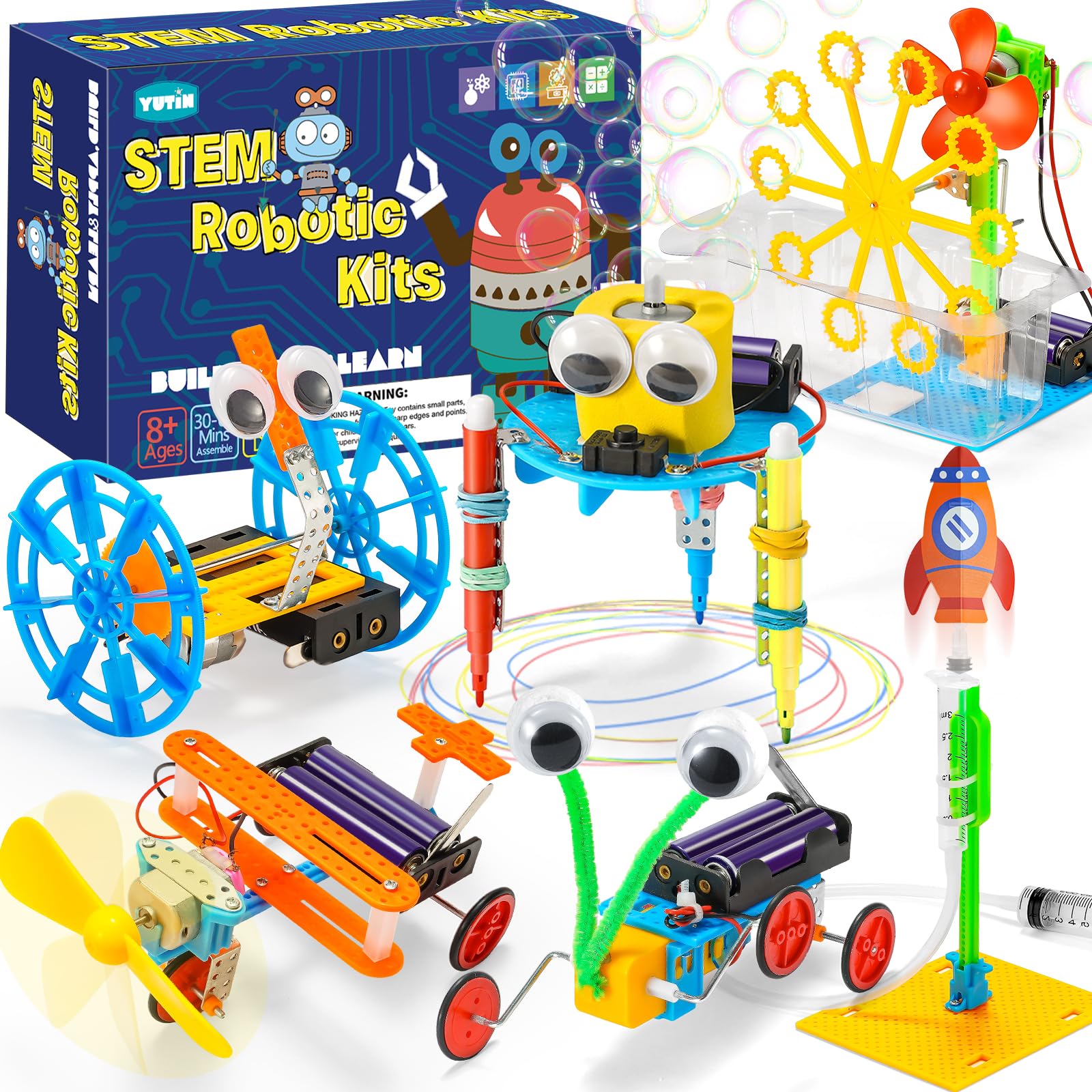
Yutin 6-in-1 STEM

Yutin 6-in-1 STEM

Gift for engineers

Doodle Score 9.2/10
Check Price

Worth Noting

  • Small parts and unclear instructions can frustrate kids during assembly.
  • A missing piece may occur in some kits, requiring extra attention at unboxing.
Robot Type
Multi-project kit
Power Source
AA batteries
Models Included
6 projects
Assembly Difficulty
Small parts, unclear
Read the full review

This kit packs six different builds — bubble machine, doodling robot, balance robot, and more — into one box, making it an engaging gift option for kids curious about how things move. The projects are genuinely fun and cover a nice range of mechanisms. That said, the small plastic parts and sparse instructions can make assembly a test of patience, especially for younger or less experienced builders. A missing piece may turn up in some units, so it pays to inventory everything before starting. It is not the smoothest build experience, but the variety keeps it interesting.

Bottom line: Best for families who prioritize variety and budget over a seamless build experience.

#6

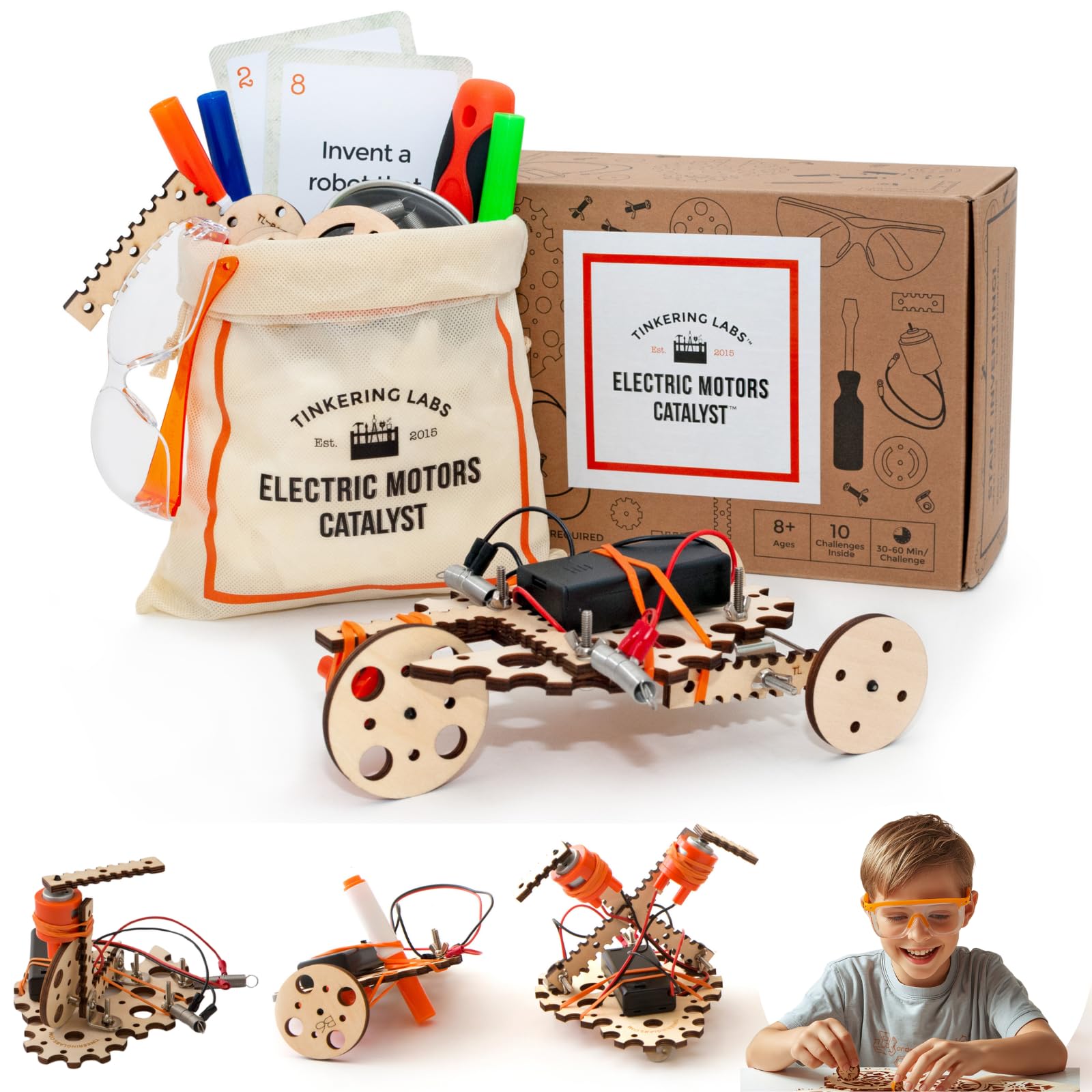
Tinkering Labs STEM

Tinkering Labs STEM

Creative inventors

Doodle Score 9.0/10
Check Price

Worth Noting

  • Premium price may feel steep for a kit that requires adult investment beyond the purchase.
  • Minimal instructions mean parents must step in to get started and keep momentum.
Robot Type
Open-ended tinkering
Power Source
AA batteries
Models Included
1 (open-ended)
Assembly Difficulty
Minimal instructions
Read the full review

The Tinkering Labs kit sets itself apart with high-quality wood and metal parts and real motors that let kids build functional inventions from scratch. Unlike the top pick's precise mechanical hand, this kit offers no fixed outcome — the process is about creativity, not following a blueprint.

This kit fits best for creative, curious children who enjoy inventing and don't mind minimal guidance. Adults should plan to help with the first builds, as the sparse instructions require someone to explain how components fit together and troubleshoot when things don't work as expected.

Tip: Plan adult participation for the first two or three builds to help with assembly ideas and motor placement.

Bottom line: A durable, imagination-driven kit for families who value invention over instruction-following, provided an adult can lead the first few sessions.

#7

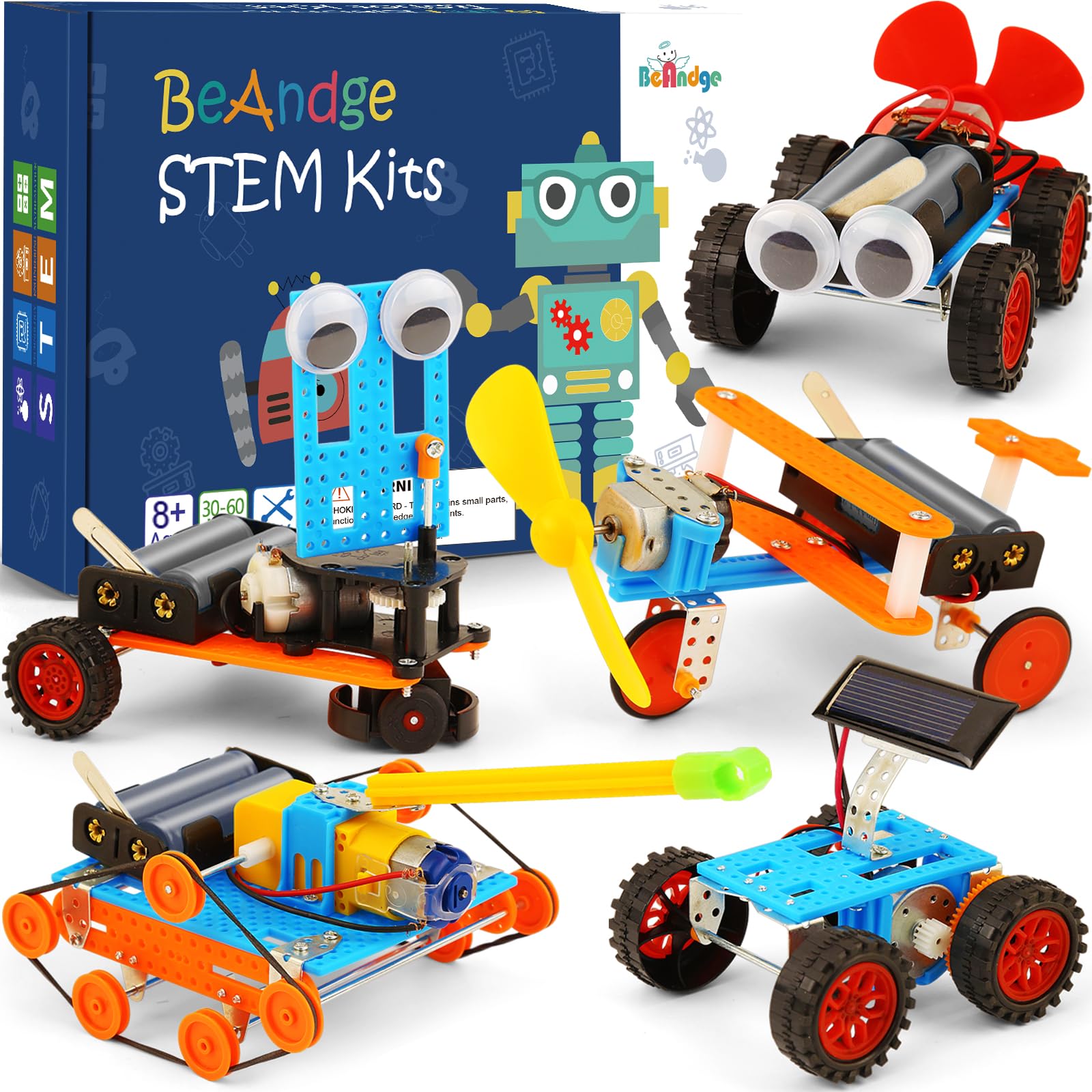
BeAndge 5-in-1 STEM

BeAndge 5-in-1 STEM

Budget variety

Doodle Score 9.0/10
Check Price

Worth Noting

  • Small parts and screws may be difficult for younger kids, often requiring adult assistance.
Robot Type
Multi-project kit
Power Source
AA batteries
Models Included
5 projects
Assembly Difficulty
Fiddly, small screws
Read the full review

With five separate projects in one box, this set offers the most build variety at the lowest price in this roundup. Projects span solar car, wind car, obstacle avoidance robot, transmission tank, and glider, each introducing different mechanical concepts.

Best suited for beginners and families on a budget who want to sample multiple STEM activities. The small screws and fiddly assembly mean younger kids (under 10) will need adult help. Those seeking programming or advanced electronics should look to programmable kits like the mBot.

Tip: Keep a small Phillips screwdriver handy and plan to assist with the tiny screws — younger builders may struggle.

Bottom line: Ideal for budget-conscious families wanting a variety of STEM projects to explore, provided adults are ready to help with assembly.

#8

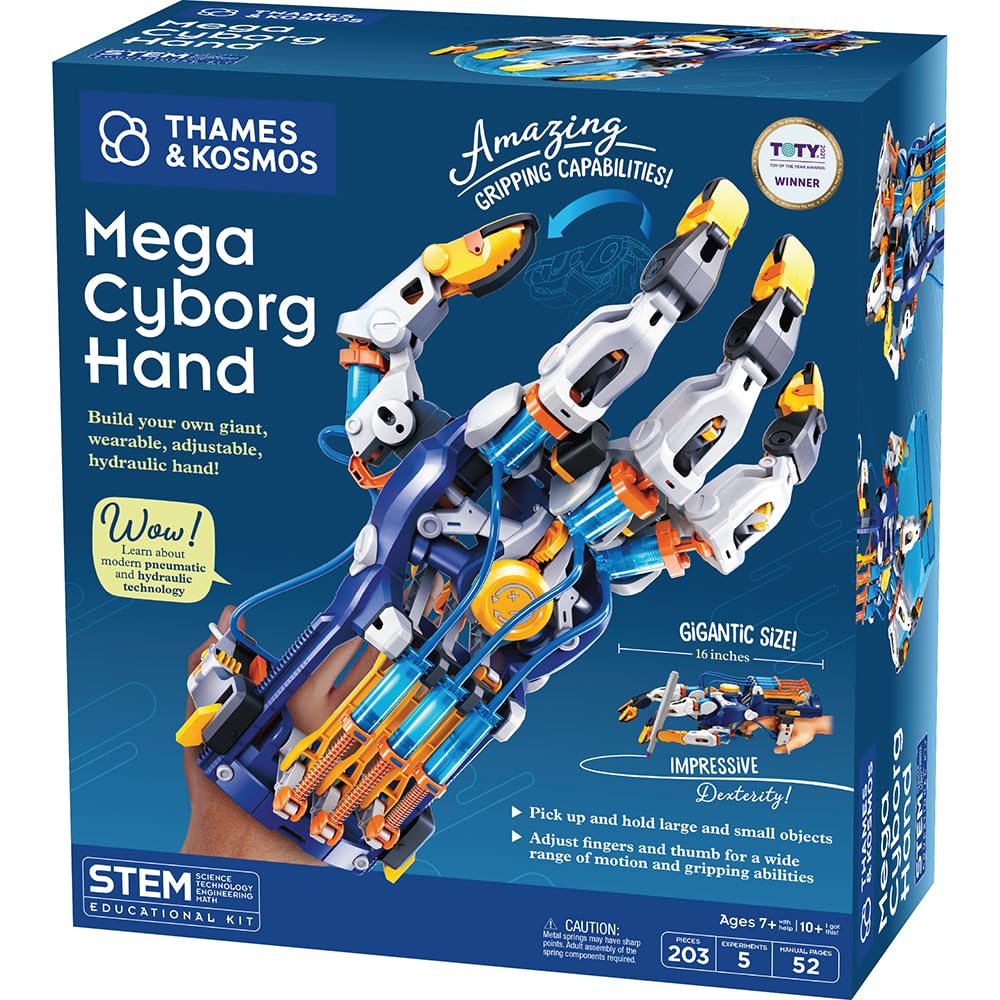
T&K Mega Cyborg Hand

T&K Mega Cyborg Hand

Mechanical engineering

Doodle Score 8.8/10
Check Price

Worth Noting

  • Assembly is lengthy and may require adult help, especially for younger builders
  • Plastic components can break during or after construction if handled roughly
Robot Type
Hydraulic hand
Power Source
Hydraulic (none)
Models Included
1 model
Assembly Difficulty
2+ hours, difficult
Read the full review

The Thames & Kosmos Mega Cyborg Hand stands apart from purely mechanical kits by using a water-based hydraulic system to control each finger - no batteries or motors involved. This design offers a tangible lesson in fluid dynamics and pneumatics that other buildable robotics kits can't match.

This kit is built for kids who enjoy complex challenges and have the patience to follow detailed instructions. Assembly can take two hours or more, and the plastic parts are fragile enough that careful handling matters throughout the process. It suits engineering-minded children ages 8-14 who want to learn how hydraulic power works, but it will frustrate those looking for a quick, durable toy.

Tip: Set aside a few hours for assembly and have a parent nearby to help with delicate parts.

Bottom line: Best for persistent, patient kids who want to understand hydraulics - not for those seeking a quick build or rough play.

#9

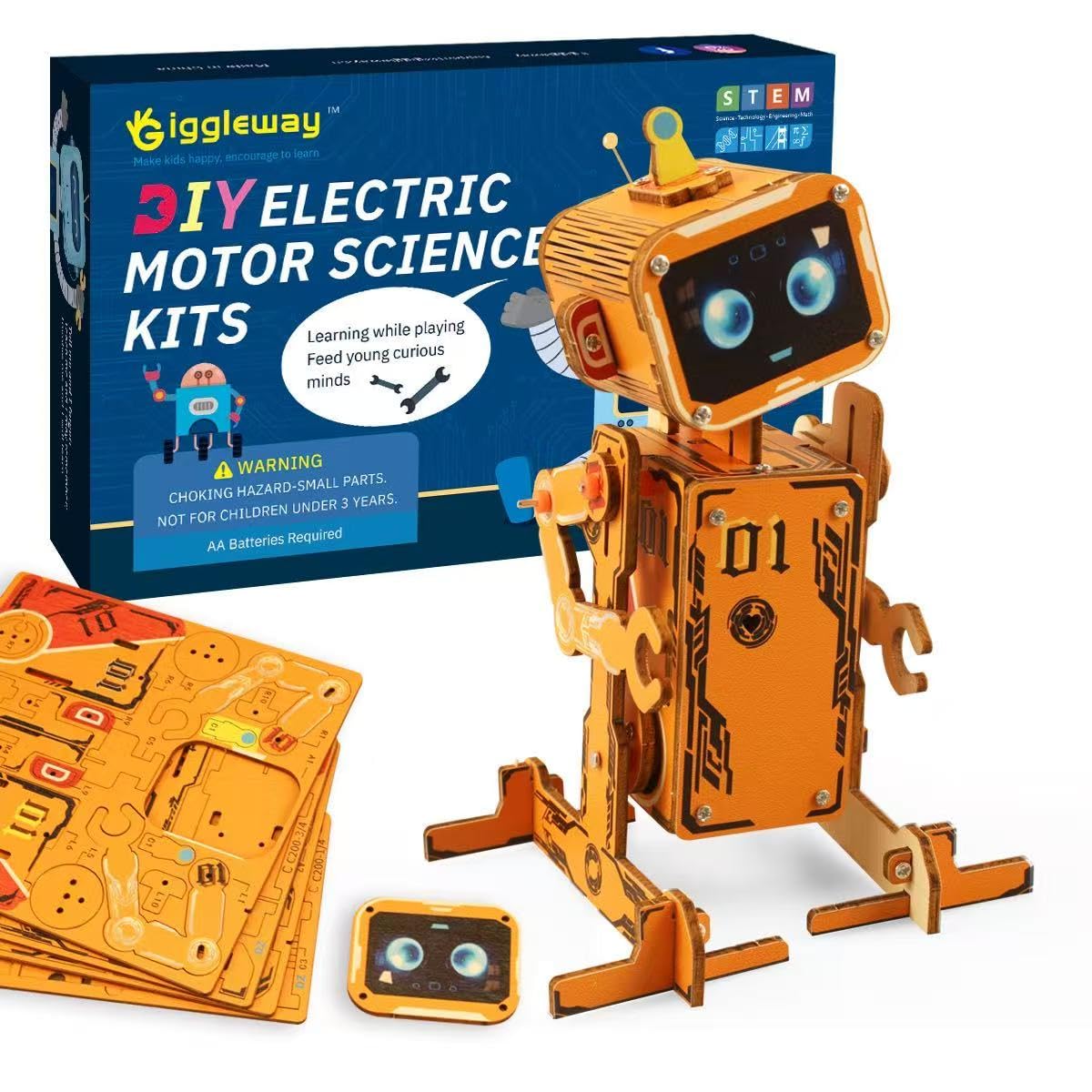
Giggleway Voice Robot

Giggleway Voice Robot

Voice control interest

Doodle Score 8.8/10
Check Price

Worth Noting

  • Tiny screws make assembly tedious for small hands
  • Occasional motor or sensor issues may require troubleshooting
Robot Type
Voice-controlled robot
Power Source
AA batteries
Models Included
1 model
Assembly Difficulty
Tiny screws, tedious
Read the full review

The Giggleway Voice Robot offers an entry-level experience in voice-controlled robotics at a budget price. Kids can build a wooden robot that responds to voice commands via a sound sensor. However, assembly requires handling many tiny screws, which can test patience. Some units also experience motor or sensor hiccups that may require troubleshooting. This kit is best for families who enjoy the building process and want an inexpensive introduction to voice recognition, not a polished toy.

Bottom line: Best suited for budget-minded families with kids who enjoy DIY projects and don't mind some assembly challenges in exchange for exploring voice control.

#10

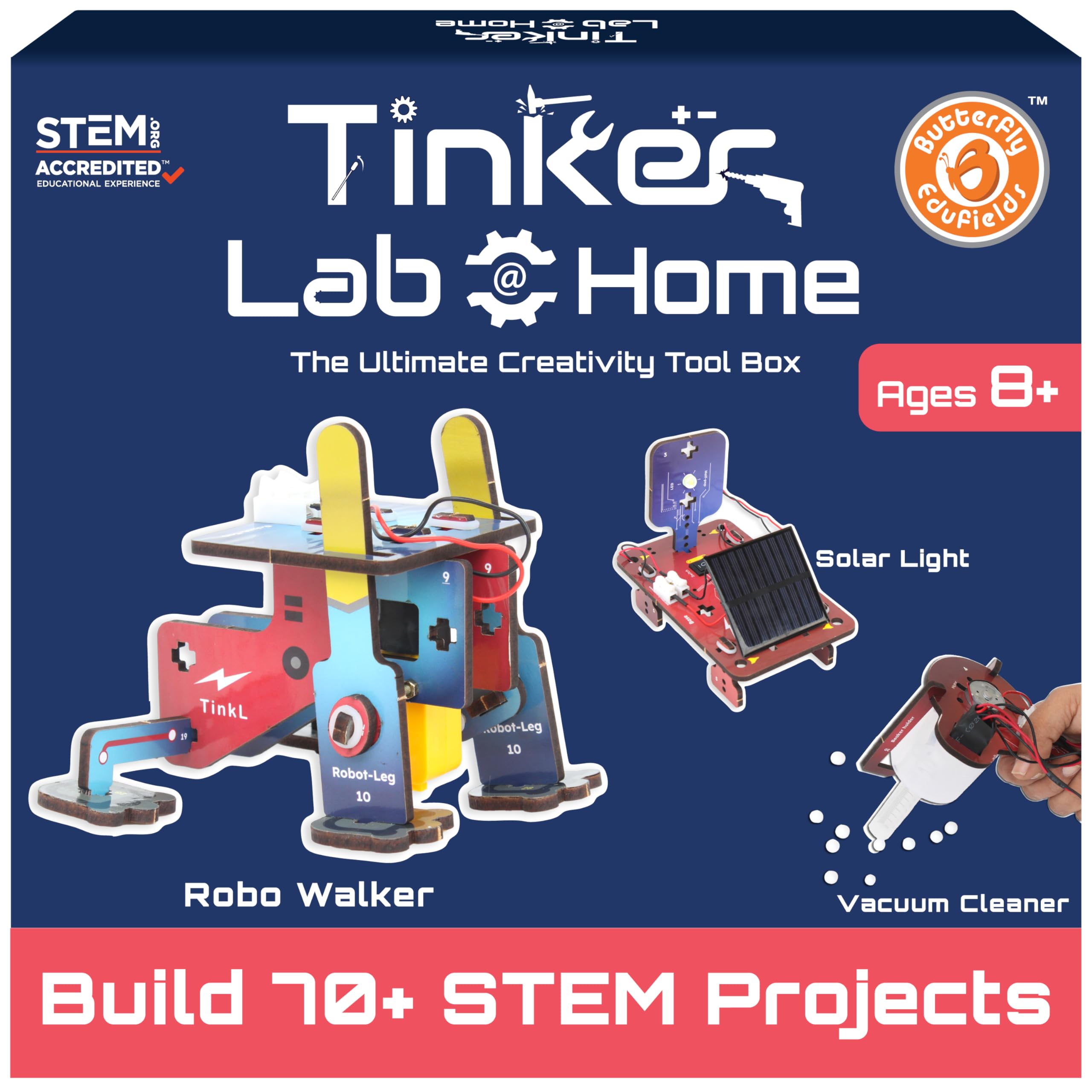
Butterfly 70+ STEM

Butterfly 70+ STEM

Science exploration

Doodle Score 8.6/10
Check Price

Worth Noting

  • Missing parts can prevent some experiments from functioning as intended.
  • Instructions can be overwhelming, especially for younger kids.
Robot Type
STEM lab kit
Power Source
Models Included
70+ projects
Assembly Difficulty
Challenging, unclear
Read the full review

This kit packs more than 70 projects spanning robotics, circuits, chemistry, and physics, giving kids a broad introduction to multiple STEM fields. The variety is unmatched at this price level, and the award-winning design adds credibility. However, the tradeoff for that breadth is execution: some experiments may not work due to missing pieces or unclear instructions, making it less reliable than focused robotics kits. Families who enjoy tinkering through occasional hiccups will find plenty to explore, but those seeking consistent, frustration-free builds should look elsewhere.

Bottom line: Best for families who value project variety over consistent reliability and are prepared to troubleshoot or supplement missing pieces.

#11

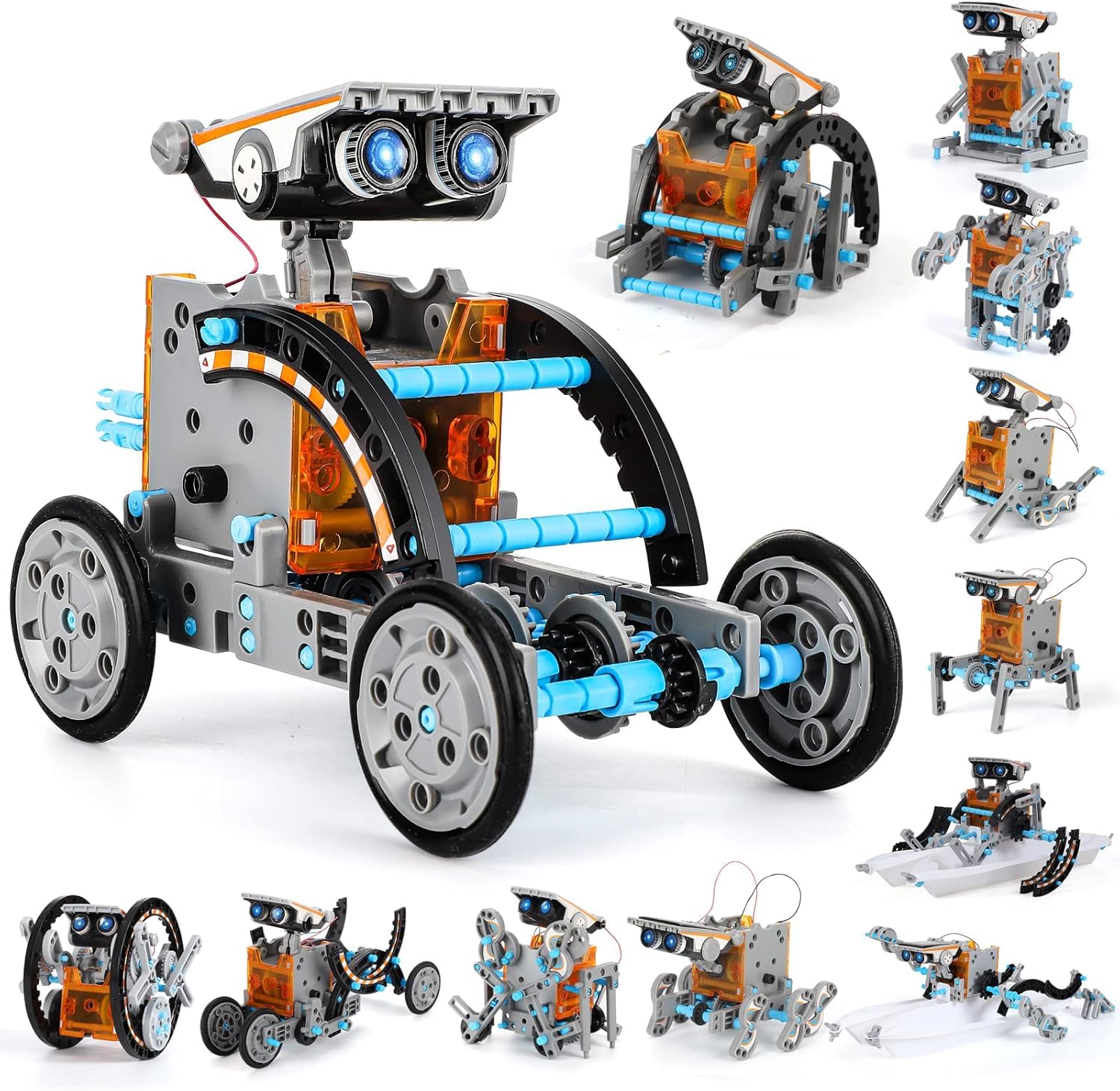
Sillbird Solar Robot

Sillbird Solar Robot

Solar energy learning

Doodle Score 8.6/10
Check Price

Worth Noting

  • Requires direct, bright sunlight to move
  • Assembly steps can be unclear, especially on complex model variations.
Robot Type
Solar robot
Power Source
Solar
Models Included
12 models
Assembly Difficulty
Unclear instructions
Read the full review

This 12-in-1 solar robot kit offers a low-cost way for kids to build moving models using ABS parts and a small solar panel. The variety of builds keeps hands busy, and the solar-powered motor introduces renewable energy principles without batteries. However, the robot's movement depends on strong, direct sunlight — indoor use or overcast days leave it motionless. Assembly instructions can be unclear during some steps, which may require adult help. For families in sunny climates looking for an affordable outdoor STEM activity, this kit delivers solid value, but it's not a substitute for programmable robots or all-weather play.

Bottom line: Best for budget-conscious families who have consistent sunny outdoor space and are comfortable guiding kids through occasional unclear instructions.

#12

Lucky Doug Solar Robot

Lucky Doug Solar Robot

Outdoor solar fun

Doodle Score 8.4/10
Check Price

Worth Noting

  • No programming component; purely mechanical solar robots
Robot Type
Solar robot
Power Source
Solar
Models Included
12 models
Assembly Difficulty
Fiddly assembly
Read the full review

Lucky Doug's Solar Robot kit provides 12 different models from 190 snap-together pieces at an entry-level price, making it an accessible introduction to solar-powered mechanics. However, the robots only operate in direct sunlight and move at a slow pace, and the assembly instructions can be unclear, requiring patience. For families seeking a low-cost outdoor STEM activity that teaches renewable energy, this kit fits the bill.

Bottom line: Best suited for outdoor learning environments where direct sunlight is available and speed is not a priority.

How to Choose

Type of Robot

Mechanical kits (string-operated, hydraulic) have no electronics to fail. They teach levers, gears, and hydraulic pressure. Programmable kits (Arduino, app-controlled) add coding but introduce Bluetooth dropouts and motor defects. For a first experience, mechanical wins on reliability.

Number of Builds

Multi-project kits offer variety but often spread quality thin. Each model uses the same basic parts, so the second build feels like a rehash. Single-model kits invest all engineering into one solid design. Choose variety for exploration, a single model for depth.

Assembly Complexity

Assembly difficulty ranges from 15-minute snap-together to 2-hour projects requiring adult help. Tiny screws and unclear instructions are the top frustration sources. Look for kits that specify assembly time and adult guidance level in the description. If the child is under 10, a kit that takes less than an hour with clear illustrated steps is best.

Power Source

Battery-powered kits (AA or rechargeable) offer consistent performance but require extra purchase. Solar kits only move in direct sunlight – indoor play is unreliable. Hydraulic kits need no batteries but create a messy setup. For indoor use, choose battery-powered; for sunny climates, solar can be fun but slow.

Programming Capability

Programming adds a powerful layer of learning, but only if the app or software works reliably. Many kits have buggy Bluetooth connections or outdated apps. Scratch-based programming is more accessible for younger kids; Arduino requires coding knowledge and patience. If programming is the goal, choose a kit with a large online community and up-to-date app reviews.

Frequently Asked Questions