Games & Puzzles

11 Best Board Games for Kids 2026: Durable & Replayable Family Favorites

Find the best board games for kids that combine durability, age-appropriate gameplay, and high replay value for family nights.

Many board games for kids break within months — cracked plastic grids, bent cards, faded tiles. The classics you grew up with aren't built the same way today.

Meanwhile, a wave of compact card games offers low-cost, high-replay fun, but not all stand up to sticky hands and enthusiastic shuffling. This guide focuses on games that survive real family use while matching your child's age and attention span. Whether you need a quick party game or a strategy challenge, the selections balance durability, replayability, and genuine fun.

The key trade-off is between a game that teaches specific early skills and one that appeals to a wider age range. Each recommendation includes honest notes on component quality and the best use-case for your family's routine.

#1

Hasbro Connect 4 Classic Grid

Hasbro Connect 4 Classic Grid

Families ages 6+

Doodle Score 9.6/10
Check Price

Worth Noting

  • Plastic grid may feel less sturdy with repeated use
Players
2
Age Range
6+
Playing Time
15-20 min
Educational Focus
Strategic Thinking
Read the full review

Connect 4's vertical grid turns a simple four-in-a-row concept into a tense, quick-moving duel that rewards foresight and blocking. The rules take under a minute to explain, and rounds typically wrap up in 15–20 minutes, making it easy to fit in multiple games during family time.

The satisfying drop of each disc into the slot gives clear feedback, and the two-player format keeps turns snappy. The plastic construction is adequate for casual family use, though the grid may loosen with repeated handling — storing the game upright when not in use helps maintain its shape over time.

This game is best for families with children aged 6 and up who want a low-cost activity that’s easy to teach but still allows room for tactical play. Younger kids may struggle with the strategy, and those looking for deeper complexity will find it too simple. The plastic components are a tradeoff at this budget price, but careful storage extends their lifespan.

Tip: Store the grid upright and avoid rough handling to keep the plastic parts fitting snugly over time.

Bottom line: For families with kids 6+ who want a quick, low-cost game that encourages strategic thinking, Connect 4 remains a staple.

#2

ThinkFun Zingo! Bingo

ThinkFun Zingo! Bingo

Preschoolers

Doodle Score 9.6/10
Check Price

Worth Noting

  • Zinger device may jam if handled roughly, requiring careful operation from small hands
Players
2-6
Age Range
4+
Playing Time
10-20 min
Educational Focus
Reading, matching, concentration
Read the full review

ThinkFun Zingo turns the classic bingo format into a fast-paced sight-word recognition game for preschoolers. The mechanical Zinger device and durable cards make it ideal for classroom or home, but unlike the broader age appeal of Connect 4, Zingo targets the 4-6 year old window where early reading skills are just forming.

This game suits preschoolers and early readers who benefit from repetitive sight-word matching. The Zinger device adds excitement but can occasionally jam if pressed too hard, so gentle supervision is recommended. Not a fit for older children or those who prefer pure luck games without a reading element.

Tip: Show children how to press the Zinger plunger straight down to reduce the chance of jamming.

Bottom line: If your priority is building pre-reading skills with a group of 4-6 year olds, this is the most focused option available — just plan for adult help with the Zinger.

#3

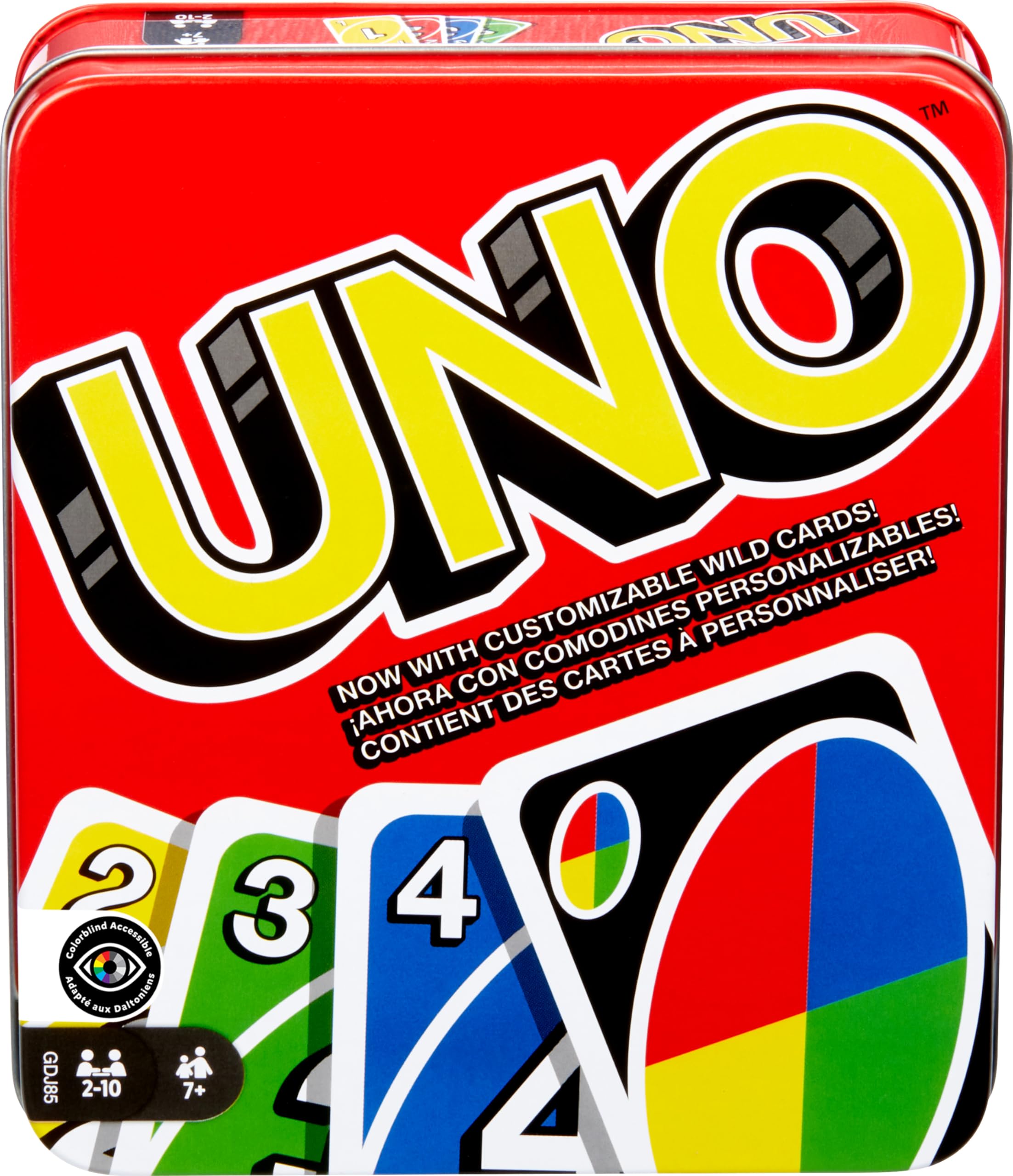
Mattel UNO Classic Card Game

Mattel UNO Classic Card Game

Large families

Doodle Score 9.6/10
Check Price

Worth Noting

  • Cards may show fading or bending after extended use in active households.
Players
2-10
Age Range
7+
Playing Time
15-30 min
Educational Focus
Cognitive skills, strategic thinking
Read the full review

The metal storage tin and color-blind accessible symbols make UNO a more portable and inclusive option than classic board games. Cards feel sturdy to handle, and the rules click after one round — no reading required beyond numbers and colors.

Best for families with children ages 7 and up who want a quick, low-setup game for travel or parties. The cardstock will show wear after heavy play, so consider card sleeves for frequent use. Not suited for toddlers under 7 or groups seeking cooperative play.

Tip: Slip cards into inexpensive sleeves to extend their life through frequent shuffling.

Bottom line: A budget-friendly card game that wins on portability and inclusivity, perfect for families who want a reliable travel staple for ages 7+.

#4

Hasbro Don't Break the Ice

Hasbro Don't Break the Ice

Toddlers

Doodle Score 9.6/10
Check Price

Worth Noting

  • Simple luck-based gameplay holds limited appeal for children over 8
  • Plastic pieces may crack or legs can come off after repeated use
Players
2-4
Age Range
3+
Playing Time
15 min
Educational Focus
Fine motor skills, turn-taking
Read the full review

Don't Break the Ice delivers a straightforward cause-and-effect action that toddlers find highly engaging. Players take turns tapping plastic ice blocks to knock the polar bear off, reinforcing turn-taking and fine motor control without any reading requirement, unlike the top pick which leans more on strategic thinking for older children.

This game fits best for preschoolers ages 3 and up who are just learning to play structured games. Assembly can be frustrating — the ice blocks sometimes require careful effort to insert properly. Children over 8 will likely find the luck-based gameplay too simple, so this is a targeted tool for early development rather than a long-term family favorite.

Tip: Insert each ice block by pressing firmly at the center, not the edges, to reduce binding.

Bottom line: This is the game to choose for introducing board game mechanics to a preschooler, provided you’re willing to handle a fiddly initial setup.

#5

magilano SKYJO Card Game

magilano SKYJO Card Game

Families ages 8+

Doodle Score 9.6/10
Check Price

Worth Noting

Players
2-8
Age Range
8+
Playing Time
30 min
Educational Focus
Calculation, estimation, concentration
Read the full review

Where pattern-recognition party games offer instant laughs, SKYJO exercises estimation and calculation skills — making it a better fit for families who want gameplay with a mental workout.

Best for families with kids ages 8 and up who can handle number strategy. Younger children may find the scoring challenging; this is not a game for preschoolers or early elementary.

Bottom line: A card game that adds a layer of math strategy without feeling like homework — ideal for families who want more than pure luck in their game night.

#6

Azul Tile-Placement Game

Azul Tile-Placement Game

Strategy game fans

Doodle Score 9.6/10
Check Price

Worth Noting

  • Initial rulebook can be confusing; a video tutorial helps clarify mechanics.
Players
2-4
Age Range
8+
Playing Time
30-45 min
Educational Focus
Critical thinking, planning
Read the full review

Azul's resin tiles and mosaic patterns create a tactile, visually striking experience that few board games match. Unlike the number-based patterns of Rummikub, Azul requires planning tile placements to complete patterns while blocking opponents — a satisfying puzzle for those who enjoy layered strategy.

This game suits families with children aged 8 and up who enjoy strategic thinking and can handle a learning curve. The rules initially require a video tutorial to grasp fully — a common step for new players. Younger children or those seeking quick, luck-based games will find the depth overwhelming.

Tip: Watch a tutorial before the first game — the rulebook is dense, but gameplay clicks after one round.

Bottom line: For families ready to invest in a premium strategy game with high replayability, Azul delivers an engaging experience that rewards practice.

#7

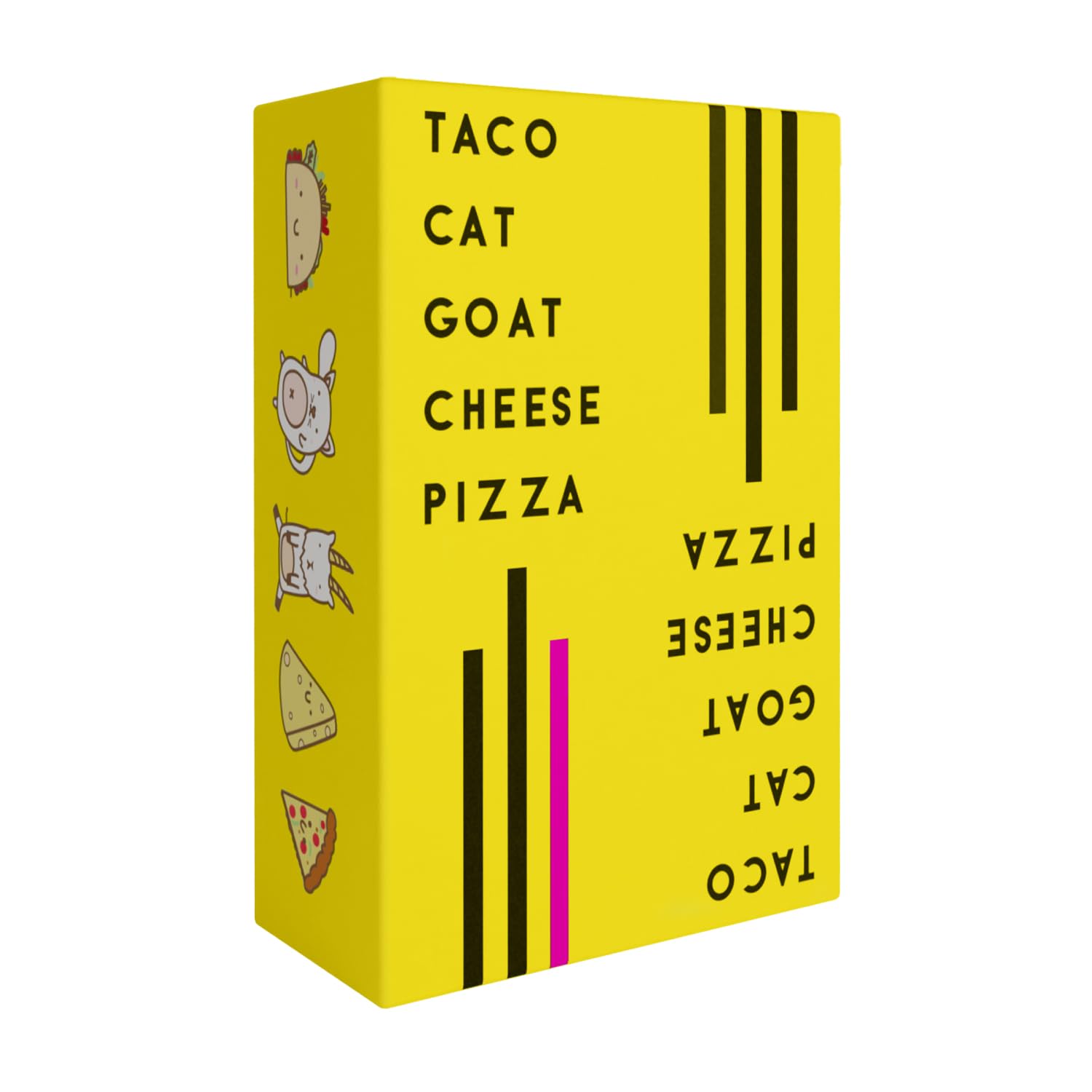
Taco Cat Goat Cheese Pizza

Taco Cat Goat Cheese Pizza

Party game lovers

Doodle Score 9.6/10
Check Price

Worth Noting

  • Very light gameply may not sustain interest over multiple sessions for regular family play.
Players
2-8
Age Range
8+
Playing Time
10-15 min
Educational Focus
Cognitive skills, social interaction
Read the full review

This card game relies on quick reflexes and pattern recognition—players race to slap the card that matches the spoken word. Setup takes seconds and rounds finish in 10–15 minutes, making it a solid choice for parties, travel, or between other activities. The humor comes from the escalating speed and inevitable mistakes. However, the gameplay is intentionally light: after a handful of sessions, the novelty can fade for groups expecting deeper strategy or ongoing narrative. It works best as a filler or icebreaker rather than a centerpiece for regular family game nights.

Bottom line: A quick, silly party game that shines as an opener or travel companion, but families wanting repeatable depth should look to heavier options.

#8

Pressman Rummikub Tile Game

Pressman Rummikub Tile Game

Families ages 8+

Doodle Score 9.6/10
Check Price

Worth Noting

  • In a game that gets heavy use, the tile numbers may fade over time, reducing readability.
Players
2-4
Age Range
8+
Playing Time
30-60 min
Educational Focus
Sequencing, pattern recognition
Read the full review

Pressman Rummikub delivers addictive tile-based gameplay that challenges pattern recognition and sequencing, making it a hit with older children and adults alike. However, the printed numbers on the tiles can wear off over time, affecting visual clarity — a known tradeoff that can be mitigated with a clear sealant spray. This makes it a better fit for families with kids ages 8 and up who don't mind some component wear, rather than those seeking long-lasting pristine pieces.

Bottom line: A solid pick for families with kids 8+ who enjoy strategy games and are comfortable with a little component maintenance to keep the tiles readable.

#9

Hasbro Chutes & Ladders

Hasbro Chutes & Ladders

Preschoolers

Doodle Score 9.6/10
Check Price

Worth Noting

  • Spinner can feel flimsy and may wear under heavy use.
Players
2-4
Age Range
3+
Playing Time
15-20 min
Educational Focus
Counting, number recognition
Read the full review

The simple chute-and-ladder mechanic teaches counting and turn-taking without any reading required, making it a natural first board game for preschoolers. The spinner can feel flimsy and may not withstand frequent play. This ultra-lightweight gameplay works well for ages 3-5 but lacks the depth to hold the attention of older siblings, limiting its family replay value.

Bottom line: A good fit for families with preschoolers who want a simple introduction to board games, but not for mixed-age groups with older children.

#10

Exploding Kittens Original

Exploding Kittens Original

Teens and adults

Doodle Score 9.4/10
Check Price

Worth Noting

  • In a family with younger children, the mature humor on some cards can be a concern.
  • Buyers expecting a full board-game experience may find the simple card deck overpriced.
Players
2-5
Age Range
7+
Playing Time
15 min
Educational Focus
Cognitive and social development
Read the full review

Exploding Kittens delivers quick, high-stakes card play with the signature absurd humor of The Oatmeal. The elimination mechanic keeps rounds under 15 minutes and the artwork is engaging. However, some cards contain humor that leans mature, making it a better fit for teens and adults than for younger children. The simple deck also leads to mixed value perception among those expecting a more substantial board game or multiple components.

Bottom line: Best suited for teen game nights or adult parties where the quick pace and irreverent humor are appreciated.

#11

Hasbro Trouble Board Game

Hasbro Trouble Board Game

Young children 5+

Doodle Score 9.4/10
Check Price

Worth Noting

  • Plastic components, especially the Pop-O-Matic dome, may feel flimsy over time
Players
2-4
Age Range
5+
Playing Time
20-30 min
Educational Focus
Counting, turn-taking
Read the full review

The Pop-O-Matic dice roller keeps the action moving and removes the need to chase lost dice, making this a solid choice for families with children ages 5 and up. Gameplay is pure luck, so no one gets left behind. Where it falls short of the top pick is in both longevity and depth: plastic components, particularly the central dome, can show wear sooner than expected, and the experience lacks the tactical decisions that Connect 4 offers. For occasional family game nights with younger players, that tradeoff is acceptable.

Bottom line: Best for budget-minded families with young children (ages 5-8) who want a quick, luck-based game and can accept some variability in build quality.

How to Choose

Age Range

Age recommendations are a starting point, not a guarantee. A game marked 6+ may require reading or strategic thinking that a 6-year-old just developing these skills might find daunting. Look for games where the core mechanic matches your child's current ability, not their birthday.

Number of Players

Player count affects not just who can play, but the pace of the game. Games for 2 players often involve direct competition and faster rounds, while games for 4+ players introduce longer waits and more negotiation. Consider your typical game night size: a 2-player game won't work for a family of five, and a 6-player card game can be chaotic with young kids who struggle to wait their turn.

Playing Time

Short rounds (under 20 minutes) keep young attention spans engaged and allow multiple plays in one sitting. Longer games (30-60 minutes) suit older children who can sustain focus. The hidden trade-off: longer games often have more complex rules that require repeated teaching before the flow becomes natural.

Component Durability

Plastic components vary widely in quality. Thin plastic grids and spinners can crack after a few uses, while cardstock decks may bend or fade. Games with thick cardboard boards, resin tiles, or metal tins stand up to drops and spills. A game's material is a reliable predictor of its lifespan — avoid flimsy plastic if you expect heavy use.

Educational Value

Educational board games teach through play, but the best ones hide the learning within engaging mechanics. A sight-word bingo game works because it's a bingo game first. A number card game succeeds when the math feels like a side effect of competition. Avoid games that feel like a homework assignment — kids will resist them.

Frequently Asked Questions