Games & Puzzles

15 Best Board Games of 2026: Fast, Fun Picks for Real Family Game Nights

Which board games deliver repeat fun without gathering dust? From quick card games to strategic classics, find the right fit for your family's pace and group size.

A stack of board games sounds great until half of them sit untouched because they take too long to learn or need exactly four players. Many classics have also seen their component quality slip, leaving parents frustrated with flimsy cards and thin plastic.

The good news: the best games today balance fast setup, clear rules, and real replayability. Whether you need a two-player brain teaser, a rowdy party starter, or a strategy game for older kids, the right pick depends on one thing: how your family actually plays.

This guide focuses on games that earn their shelf space by matching your group size, attention span, and tolerance for luck. No filler, no overhyped misses — just proven choices that get played.

#1

Asmodee Splendor

Asmodee Splendor

Strategy lovers

Doodle Score 9.8/10
Check Price

Worth Noting

  • Groups of five or more need the expansion – the base game is locked to 2–4 players.
  • The math and planning elements may frustrate children under 10 who are not comfortable with arithmetic.
Age
10+
Players
2-4
Playtime
30 min
Read the full review

Splendor's engine-building is remarkably easy to teach but offers layers of strategic depth that reveal themselves over repeated plays. The gem tokens have a satisfying weight, and the card art is clean and period-appropriate. The 30-minute playtime keeps rounds brisk, making it a reliable choice for weeknight gaming – though it does not accommodate the larger groups that the top pick handles easily.

This game shines for couples, small groups of 2–4, and anyone new to modern strategy games. The math and planning involved mean it suits players aged 10 and up; younger children may find the resource management frustrating. If your game night routinely exceeds four people, you will need the 'Cities of Splendor' expansion to include a fifth player.

Bottom line: Splendor is the ideal choice for couples and small groups wanting a fast, beautiful strategy game that rewards repeated plays – just plan for an expansion if your game nights grow.

#2

Secret Hitler

Secret Hitler

Adult social deduction

Doodle Score 9.8/10
Check Price

Worth Noting

  • Premium pricing may discourage groups that play only occasionally.
  • 17+ age rating restricts use in family settings or with younger players.
Age
17+
Players
5-10
Playtime
30-60 min
Read the full review

Secret Hitler delivers a premium social deduction experience with wooden components that feel substantial and a hidden-role mechanic that thrives with 6–10 adults. However, the premium pricing and 17+ age rating mean it won't suit family game nights or mixed-age gatherings – it is a specialty buy for dedicated deception game fans.

Bottom line: Ideal for adult groups that want a premium, replayable social deduction game – skip if your group includes younger players or you prefer spending under $20.

#3

Play Nine

Play Nine

Golf fans

Doodle Score 9.8/10
Check Price

Worth Noting

  • Cardstock durability and gameplay balance are uncertain, as no customer experiences have been shared to verify them.
Age
8+
Players
2-8
Playtime
15 min
Read the full review

This golf-themed card game replicates real golf scoring in 15-minute rounds for 2-8 players. The concept appeals to golf enthusiasts and couples seeking a quick pastime. Yet, without customer feedback, the cardstock durability and gameplay balance cannot be confirmed. Buyers should consider the tradeoff between the fun theme and the absence of user validation.

Bottom line: Play Nine fits best for golf fans who want a fast, lightweight card game and are comfortable buying without prior user feedback.

#4

magilano SKYJO

magilano SKYJO

Large families

Doodle Score 9.6/10
Check Price

Worth Noting

Age
8+
Players
2-8
Playtime
30 min
Read the full review

SKYJO supports groups from 2 to 8 with no need for expansions or house rules. The core loop is easy to pick up in one round, yet the scoring decisions and probability guesses give each hand a fresh challenge.

Rounds move fast, finishing in about 30 minutes. The combination of hidden cards and open columns creates tension without complex rules, making it a solid choice for mixed-age gatherings. Educational side effects appear naturally through addition and risk assessment.

Best suited for families with children 8 and up, large friend groups, or anyone who wants a quick card game that doesn't drag. If you dislike luck-based play, this won't change your mind; the random draw is part of the appeal.

Bottom line: For families and groups who want a card game that scales from 2 to 8 with no learning curve and real replay value, this is the one to pick.

#5

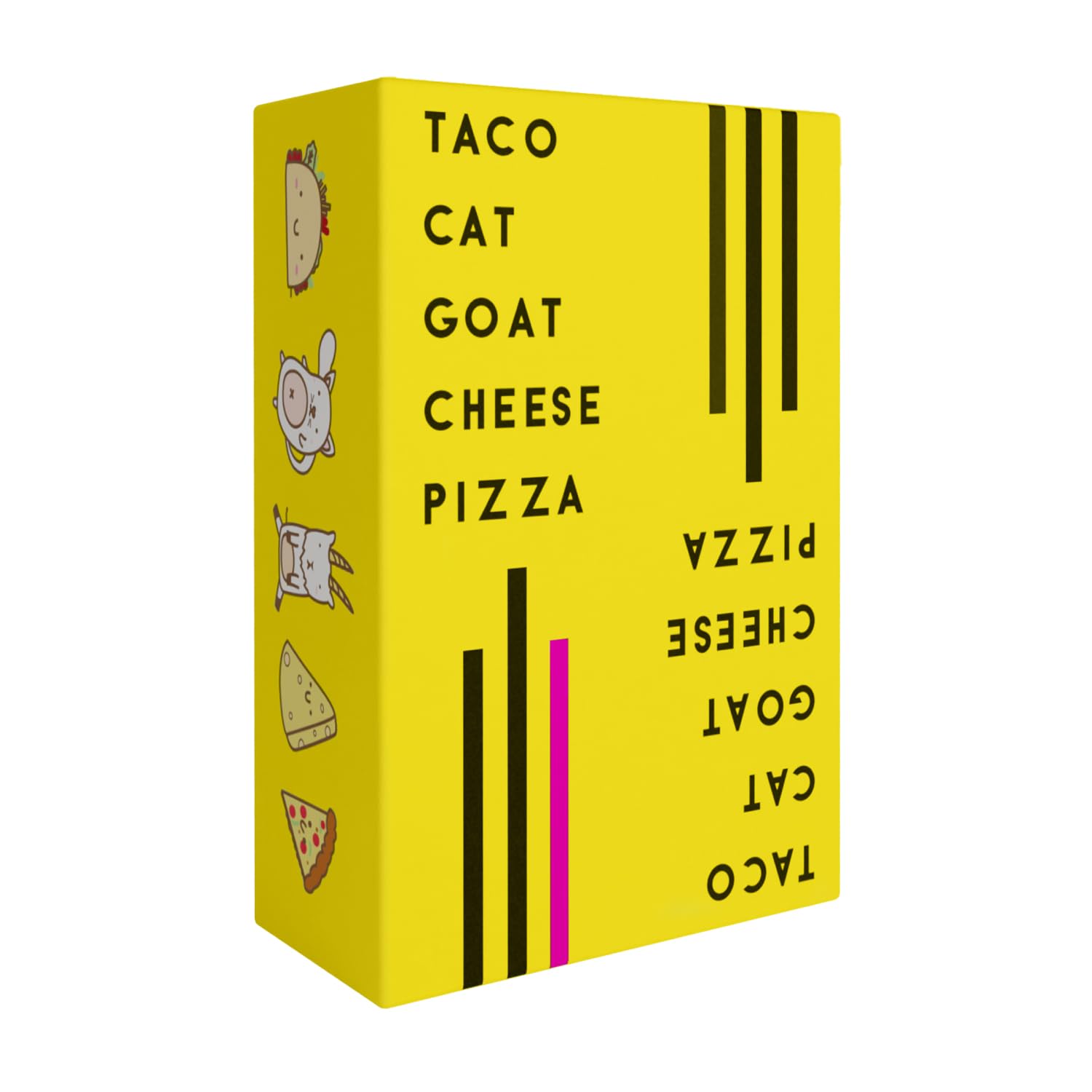
Taco Cat Goat Cheese Pizza

Taco Cat Goat Cheese Pizza

Party groups

Doodle Score 9.6/10
Check Price

Worth Noting

  • The slapping mechanic can lead to bent cards and sore fingers with competitive play
Age
8+
Players
2-8
Playtime
10-15 min
Read the full review

15-minute rounds with a one-minute teach and guaranteed laughter – this reaction-based card game thrives on speed and chaos. Players race to match words and slap the pile, keeping everyone engaged with no downtime. It is a pure test of reflexes, not strategy, which is exactly the point for high-energy groups.

Ideal for rowdy family game nights, parties, and icebreakers where energy runs high. The fast-paced slapping can be rough on cards and fingers, so it suits older kids (8+) and adults better than very young or gentle players. Quiet, contemplative groups should look elsewhere.

Tip: Use a gentle slap to avoid hurting fingers and damaging cards – the game works just as well with light touches.

Bottom line: For groups that thrive on chaos and laughter, this is a budget-friendly card game that delivers exactly what it promises: fast, loud fun.

#6

Hasbro Connect 4 Classic

Hasbro Connect 4 Classic

Two-player quick

Doodle Score 9.6/10
Check Price

Worth Noting

  • Plastic frame feels less sturdy than older versions
  • Slider bar can derail if the grid is bumped or played aggressively.
Age
6+
Players
2
Playtime
Varies
Read the full review

Connect 4 sits apart from the top pick’s flexible player counts by offering a focused two-player duel that can be taught in under five minutes. The vertical grid demands spatial thinking and patience — a rhythm that young kids pick up quickly, while adults still find room for subtle blocking tactics. Setup is just snapping the legs into the frame and dropping in the discs, so there’s no barrier to jumping into a round.

This game suits families with children aged 6 and up who want a low-commitment activity that reinforces turn-taking and basic strategy. The plastic build feels thinner than older editions — the frame can flex under pressure, and the slider bar may pop off its tracks if handled roughly. That compromises long-term durability for households with very aggressive play, but for casual use the tradeoff is minor given the budget-friendly price.

Tip: Slide the bar gently when releasing discs — a firm push can pop it off the tracks; the game stays smooth with a lighter touch.

Bottom line: The classic fun and near-instant setup make this a staple for two-player quick games — just expect the lighter build and treat the slider bar with a little care.

#7

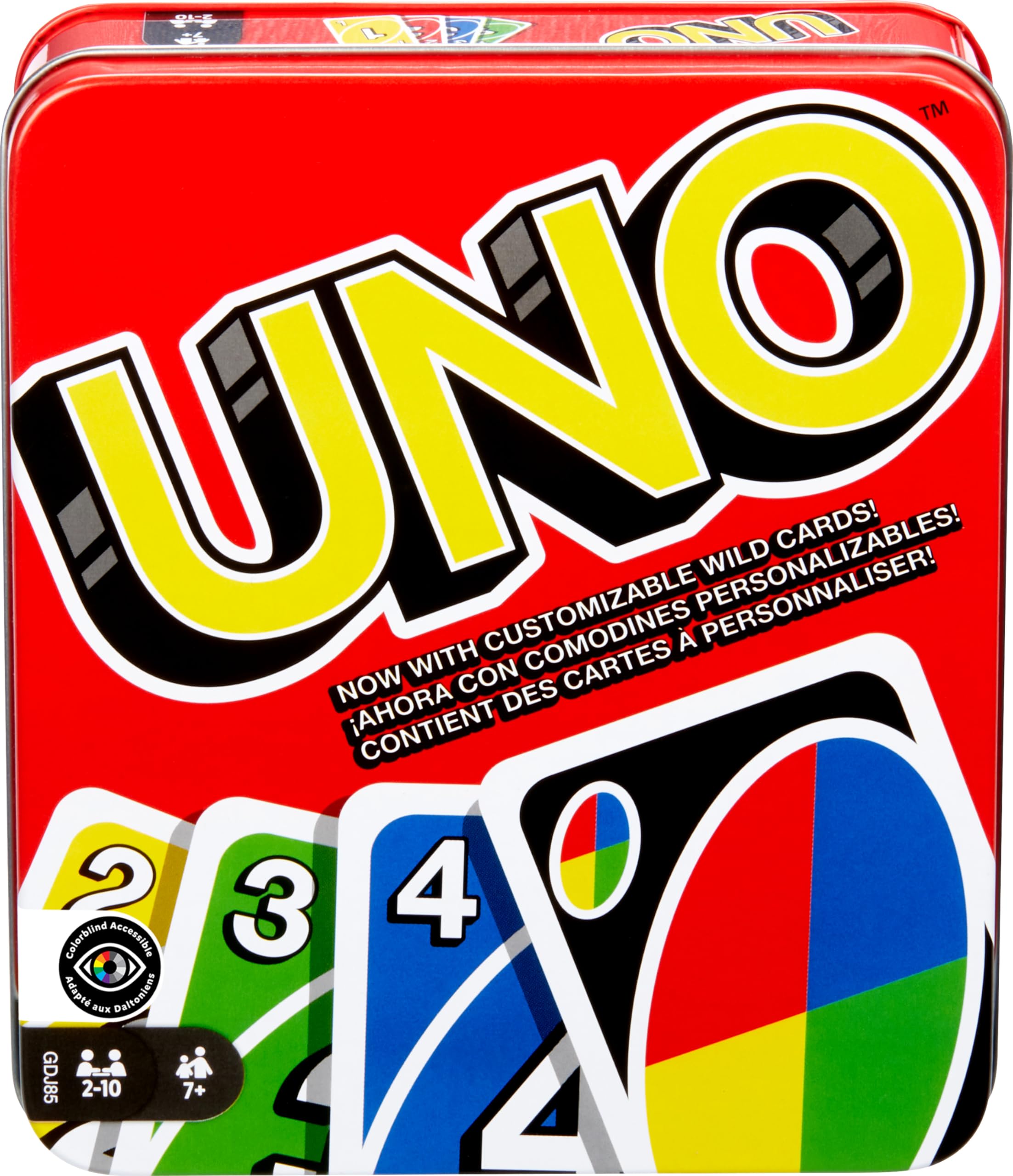
Mattel UNO

Mattel UNO

Large groups

Doodle Score 9.6/10
Check Price

Worth Noting

  • Can become repetitive over extended play sessions.
  • Metal tin may dent if dropped, affecting long-term storage appearance.
Age
7+
Players
2-10
Playtime
15-30 min
Read the full review

UNO's universal recognition and inclusive design — including color-blind accessible symbols on every card — make it the easiest card game to bring to any group. The metal tin adds travel durability that many card games lack, keeping the deck organized in a bag or glove compartment.

Rounds play in 15–30 minutes and accommodate 2 to 10 players, so it scales well from small family nights to large parties. The tin protects cards from bending during transport, though a hard drop can dent the container — a cosmetic issue that doesn't affect gameplay.

This edition is best for fast, low-stakes fun. It's not for players seeking deep strategy or very young kids under seven. Repetition can set in during longer sessions, but for its price and accessibility, UNO remains a consistent option for mixed-age gatherings that value quick turns and inclusive rules.

Bottom line: For large groups seeking a familiar, inclusive card game with sturdy travel storage, UNO offers budget-friendly fun — just keep sessions short to avoid repetition.

#8

Hasbro Yahtzee

Hasbro Yahtzee

Math practice

Doodle Score 9.6/10
Check Price

Worth Noting

  • Dice cup is small and can feel flimsy
  • Score sheet print may be too tiny for players with vision concerns.
Age
8+
Players
2+
Playtime
15-30 min
Read the full review

Yahtzee earns its place with a simple premise: roll five dice, fill score categories, and chase those high-value combinations. The rules take under a minute to learn, yet the push-your-luck decisions keep rounds fresh across ages and play counts. This is the game that sneaks in arithmetic and probability without anyone noticing.

This version suits families who want a compact game for quick sessions – the box slips into a bag easily. The included dice cup is small and the score sheet print can be tough on older eyes, but if you treat the cup as a travel compromise and use a larger bowl at home, the core experience remains intact. It works best when the goal is light, low-stakes fun rather than deep strategy.

Tip: Replace the small cup with a larger bowl or mug for a better shake – the included cup works fine for travel.

Bottom line: A budget-friendly dice game that delivers consistent fun for families, as long as you're okay with compact components and don't mind swapping in a larger cup at home.

#9

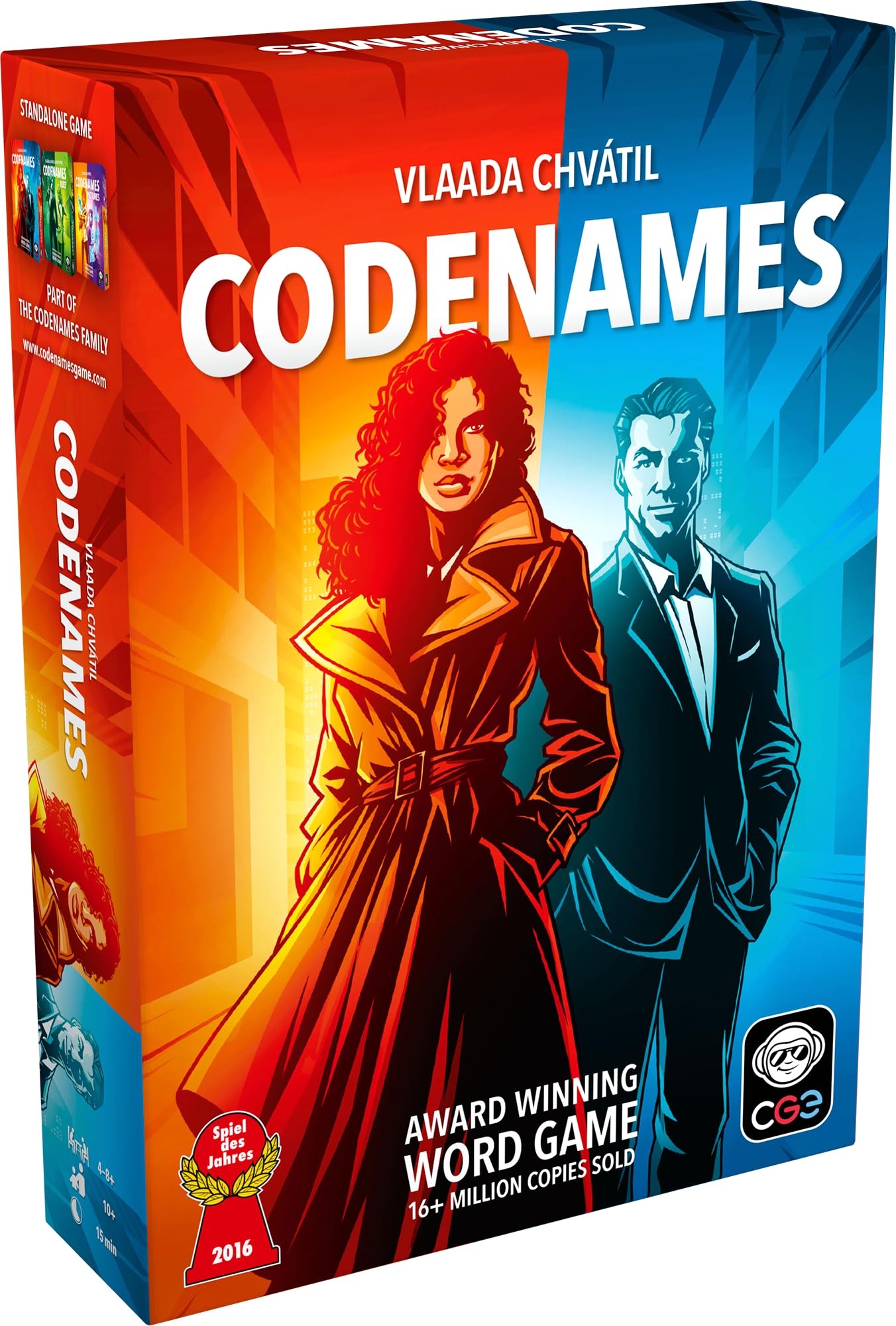
CGE Codenames 2nd Ed

CGE Codenames 2nd Ed

Word game fans

Doodle Score 9.6/10
Check Price

Worth Noting

  • Best with six or more players
Age
14+
Players
4-8+
Playtime
15-30 min
Read the full review

Codenames delivers clever wordplay and team-based deduction that shines with six or more players. The 400 codenames keep each round fresh, and the 15-minute playtime fits comfortably into a larger game night rotation. However, the experience relies on a minimum of four players and is most engaging with six or more. Groups smaller than that may find the tension falters, and the recommended age of 14+ limits its reach compared to broader family games. For word game enthusiasts with a consistent crowd, it's a focused and rewarding pick.

Bottom line: A focused choice for word game fans with a regular group of six or more — less suitable for smaller or younger gatherings.

#10

Pressman Rummikub

Pressman Rummikub

Pattern lovers

Doodle Score 9.6/10
Check Price

Worth Noting

  • Tile numbers can fade after several months of regular play, especially on blue and red tiles.
Age
8+
Players
2-4
Playtime
30-60 min
Read the full review

Pressman Rummikub combines number sequencing and strategy in a format accessible to ages 8 and up, making it a practical choice for families who want a mental workout without complex rules. The tile arrangement mechanics encourage pattern recognition and planning — a natural fit for reinforcing STEM thinking during play. However, the tile numbers may wear off after months of regular use, especially on the blue and red tiles. This durability tradeoff means it suits casual family sessions better than daily classroom or tournament-style play, where the fading would become noticeable sooner.

Bottom line: A solid pick for families who want a thinking game and can accept that the tiles may show wear over time — less suited for heavy weekly use.

#11

Hasbro Sorry!

Hasbro Sorry!

Nostalgic fun

Doodle Score 9.6/10
Check Price

Worth Noting

  • Cards can tear with repeated use and the board feels thin compared to earlier versions.
Age
6+
Players
2-4
Playtime
30-45 min
Read the full review

This classic Sorry! game still delivers the same sliding-and-bumping gameplay that generations have enjoyed. Young children grasp the simple rules quickly, making it a suitable choice for families who want to introduce turn-taking and light strategy. However, the physical components have been trimmed down: cards feel flimsy and may tear with repeated play, and the board lacks the thickness of past editions. The budget-friendly price reflects these material compromises.

Bottom line: A good pick for families who value the nostalgic gameplay over component heft, or as a budget-friendly introduction to board gaming for young kids.

#12

CATAN 6th Edition

CATAN 6th Edition

Strategy deep dives

Doodle Score 9.6/10
Check Price

Worth Noting

  • Some copies may arrive missing components like roads, cities, or the robber
Age
10+
Players
3-4
Playtime
60-90 min
Read the full review

CATAN remains a cornerstone of modern board gaming, rewarding careful resource management and active trading with every game. The 6th edition upgrades with sturdy wooden pieces and thick hex tiles. That said, the 60-90 minute playtime and need for exactly three or four players limit flexibility for quick or larger gatherings. Some copies may miss a few pieces like roads or the robber, so opening the box with a checklist is wise. This suits dedicated sessions where players enjoy negotiation over speed.

Bottom line: Best for families with older children who can commit to a full evening of strategic trading and don't mind checking the box contents first.

#13

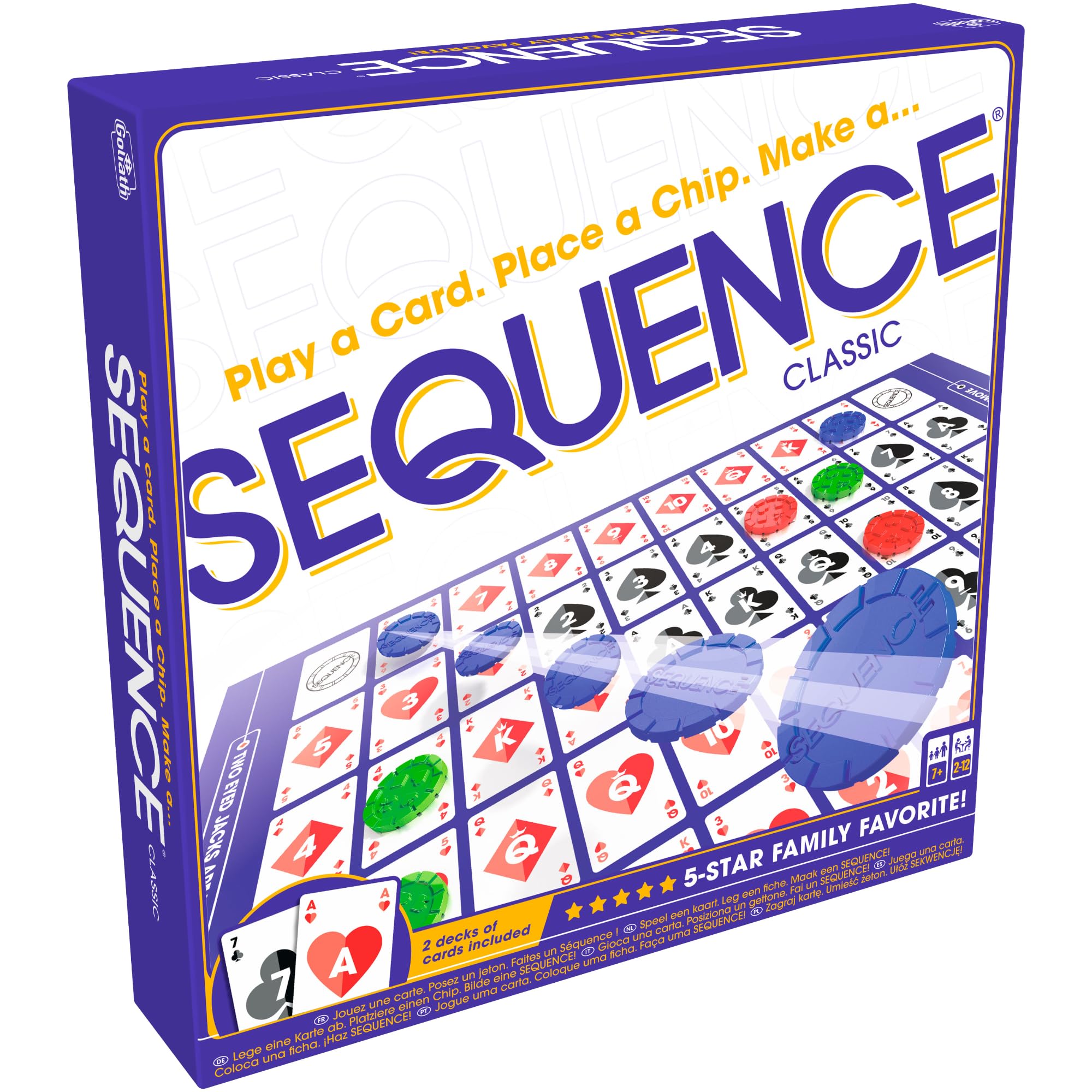
Jax SEQUENCE

Jax SEQUENCE

Large groups

Doodle Score 9.6/10
Check Price

Worth Noting

  • Straightforward rules may feel too simple for players seeking deeper strategy.
Age
7+
Players
2-12
Playtime
Varies
Read the full review

The Jax SEQUENCE game supports 2 to 12 players with simple chip-and-card mechanics, making it a staple for large family gatherings. The rules are easy to teach, and the folding board keeps setup tidy. However, the current production run's component quality is unconfirmed; without recent buyer feedback, it's unclear if the board and chips match the durability of older editions. This makes it a good pick for those who prioritize player count and proven gameplay over guaranteed build consistency.

Bottom line: Best for groups that value high player counts and simple rules, accepting some uncertainty about current production quality.

#14

Exploding Kittens

Exploding Kittens

Quick laughs

Doodle Score 9.4/10
Check Price

Worth Noting

  • The price may feel high for a basic deck of cards given the minimalist components.
Age
7+
Players
2-5
Playtime
15 min
Read the full review

Exploding Kittens delivers quick, laugh-filled rounds with charmingly absurd artwork and simple rules that anyone can pick up in a minute. The luck-driven elimination keeps energy high at parties. However, the component cost gives some buyers pause — it's essentially a deck of cards at a budget price, and the game only supports up to 5 players, so larger groups will need something else.

Bottom line: Best for groups of up to 5 who value quick humor over component density and don't mind paying a premium for a simple deck.

#15

Hasbro Trouble

Hasbro Trouble

Young kids

Doodle Score 9.4/10
Check Price

Worth Noting

  • Lightweight plastic board and Pop-O-Matic dome may feel flimsy and can occasionally stick during play.
Age
5+
Players
2-4
Playtime
15-30 min
Read the full review

The Pop-O-Matic dice mechanism gives preschoolers a satisfying tactile experience that keeps their attention during 15-minute turns. The simple race-to-the-finish rules help young children learn turn-taking and counting without pressure. However, the plastic board and popping dome feel thin and can stick during play. This makes Trouble best suited as a budget-friendly introduction for ages 5-7 rather than a long-lasting family game. Older kids or quality-conscious buyers will want components that hold up to repeated use.

Bottom line: Best for parents seeking a low-cost first board game for children ages 5-7, who won't mind the lightweight plastic as the gameplay itself engages.

How to Choose

Number of Players

A game that supports 2–4 players forces half the family to sit out if you have five people. Games that scale to 6 or 8 are more versatile but often require more cards or components, which can increase setup time or wear out faster.

For regular family nights with varying attendance, a game like SKYJO that handles 2–8 without extra expansions saves hassle. If you mostly play as a couple, a dedicated two-player game like Connect 4 is tighter and quicker.

Age Range

Age ratings aren't just safety labels — they reflect the reading level, counting ability, and attention span needed. A 6+ game like Sorry! relies on basic turn-taking and color matching, while a 14+ game like Codenames requires abstract word association.

Mixing ages in one game? Pick a title with a wide age range or simple enough rules that younger kids can join with light supervision. Games with hidden roles or long turns tend to lose younger players fast.

Playtime

A 15-minute game gets played on school nights; a 90-minute session waits for weekends. The hidden trade-off: shorter games often rely on luck to keep pace, which can frustrate players who prefer skill. Longer games build narrative but demand commitment.

If your household tends to play multiple rounds, a quick game like Taco Cat (10–15 min) or Yahtzee (15–30 min) yields more fun per sitting. For weekly game night with older kids, a 60-minute strategy game like Catan offers depth without overstaying.

Ease of Learning

Games with a one-minute teach get pulled out spontaneously; games with a 10-minute rulebook often stay in the box. The catch: very simple rules can lead to repetitive play after a dozen rounds.

Look for games that let you start playing immediately and reveal depth as you go. Splendor and Rummikub both teach in minutes but offer growing strategic layers — that balance keeps them on the table.

Component Durability

Cardstock wears after repeated shuffling, and thin plastic boards can warp. The trade-off: budget games often cut material costs, so a $8 game may show wear after a year of weekly play. Mid-range games ($15–$25) typically use thicker cardstock or plastic tokens that last.

If you plan to pass the game down or use it in a classroom, prioritize games with wooden pieces or reinforced boards. For occasional family fun, a budget pick like UNO in a metal tin survives travel better than a cardboard box.

Frequently Asked Questions