Games & Puzzles

12 Best Family Board Games of 2026: Simple Fun That Gets Played

Which family board games actually hit the table night after night? Simple rules, fast setup, and the right player count for ages 6 to adult.

Many family board games look exciting in the box but end up collecting dust after one play. The culprit is often complex rules or a setup that takes longer than the game itself. When a game requires 20 minutes of reading instructions, most families never get past the first turn.

The games that actually get played again and again share one thing: they prioritize simplicity and fast setup. A 30-second rulebook and a 10-minute game length matter more than novelty or elaborate components. That's why the best family board games are the ones that get to the table most often — not the ones with the most impressive Kickstarter campaign.

This guide focuses on the family board games that families return to — games that work for wide age ranges, accommodate different player counts, and deliver fun without a lengthy tutorial. Whether you have a preschooler or a teenager, there's a pick here that fits your living room. Every game here has proven staying power with real families.

#1

Splendor

Splendor

Families with teens

Doodle Score 9.8/10
Check Price

Worth Noting

  • Core gameplay loop stays consistent; frequent players may find it repetitive without expansions.
Players
2–4
Playtime
~30 min
Age Range
10+
Read the full review

Splendor offers elegant engine-building gameplay with satisfying gem tokens and a brisk 30-minute playtime. The rules are simple enough for teens 10+ but provide strategic depth for adults. It excels with 2-4 players, ideal for couples or small family groups. Unlike resource-trading games that gain variety from board setups, Splendor's focus on a single engine-building mechanic means the experience repeats across sessions; players who game weekly may seek expansions for freshness. That noted, occasional players will find plenty to enjoy.

Tip: The Cities of Splendor expansion introduces new board setups to refresh gameplay.

Bottom line: For families seeking a quick, tactile engine-builder with premium components, Splendor is a polished pick. If variety is a priority, budget for an expansion down the line.

#2

Five Crowns

Five Crowns

Quick portable game

Doodle Score 9.8/10
Check Price

Worth Noting

  • Card stock is thin and the box is not very durable; cards may show wear over time
Players
1–7
Playtime
~30 min
Age Range
8+
Read the full review

Five Crowns delivers addictive, easy-to-learn rummy-style gameplay with changing wild cards, supporting solo play and groups up to 7. The thin card stock and flimsy box mean components may show wear faster than premium games - a fair trade for its budget price.

Bottom line: Best for families who want a fast, portable game and don't mind modest component quality.

#3

Play Nine

Play Nine

Quick competitive rounds

Doodle Score 9.8/10
Check Price

Worth Noting

  • Cards can show wear after repeated shuffling and play
Players
2–6
Playtime
~15 min
Age Range
8+
Read the full review

Play Nine turns golf scoring into a quick 15-minute card game that appeals to families and casual groups. The mix of luck and mild strategy keeps rounds engaging, and the theme works well even for non-golfers. However, the niche theme and 6-player cap limit its appeal. The paper cards can show wear after repeated shuffling, so expect some marking over time.

Bottom line: Best for families or casual groups who enjoy a quick golf-themed card game and don’t mind moderate card wear over time.

#4

Sequence

Sequence

Large family reunions

Doodle Score 9.6/10
Check Price

Worth Noting

  • The folding board can develop creases along the fold lines over time, though it remains playable.
  • The paper cards may tear after many games
Players
2–12
Playtime
~30 min
Age Range
7+
Read the full review

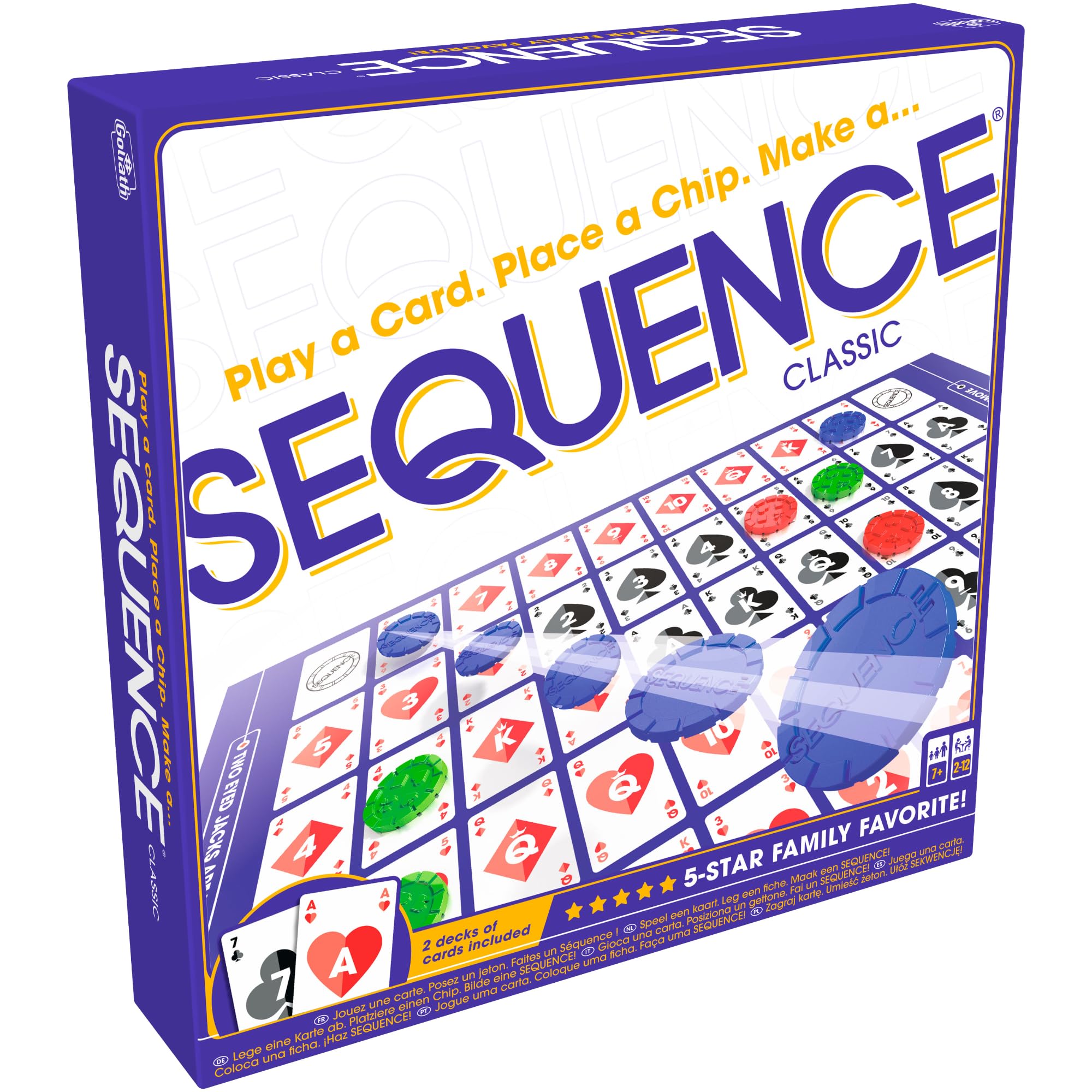
Sequence’s core loop — play a card, place a chip, block opponents — takes under a minute to explain, yet each turn offers meaningful decisions between completing your own sequences or disrupting others. The 10x10 grid and two decks of cards keep the board dynamic even at maximum player count.

This suits families with mixed ages and large gatherings where different skill levels need to coexist. The paper cards and folding board show wear after regular use — expect creases on the board and possible tearing of cards after dozens of sessions. That tradeoff is manageable given the mid-range price and the sheer number of players it accommodates.

Tip: Consider sleeving the cards if you play more than a few times a month — the deck is the part most likely to need replacement.

Bottom line: For any family that values inclusivity over complexity, Sequence delivers reliable entertainment across nearly any group size — just be prepared for the components to show their mileage.

#5

Catan

Catan

Strategy game fans

Doodle Score 9.6/10
Check Price

Worth Noting

  • Some copies may arrive with missing hexes or cards; verifying contents upon delivery is advisable
Players
3–4
Playtime
60–90 min
Age Range
10+
Read the full review

Catan rewards planning and negotiation as players trade resources to build roads, settlements, and cities. The hexagonal board changes each game, giving it strong replay value for groups that enjoy longer sessions. Best suited for families with children 10 and up, it also works well for adults on game night. One caveat: some copies may arrive with missing pieces, so checking the contents promptly is a good habit.

Tip: Open and inventory all pieces as soon as you receive the box to catch any missing components early.

Bottom line: If your family has at least an hour and enjoys strategic depth, Catan is a strong choice — just double-check the box contents when it arrives.

#6

Taco Cat Goat Cheese Pizza

Taco Cat Goat Cheese Pizza

Party game lovers

Doodle Score 9.6/10
Check Price

Worth Noting

  • Fast-paced slapping action can bend or damage cards over time.
Players
2–8
Playtime
10–15 min
Age Range
8+
Read the full review

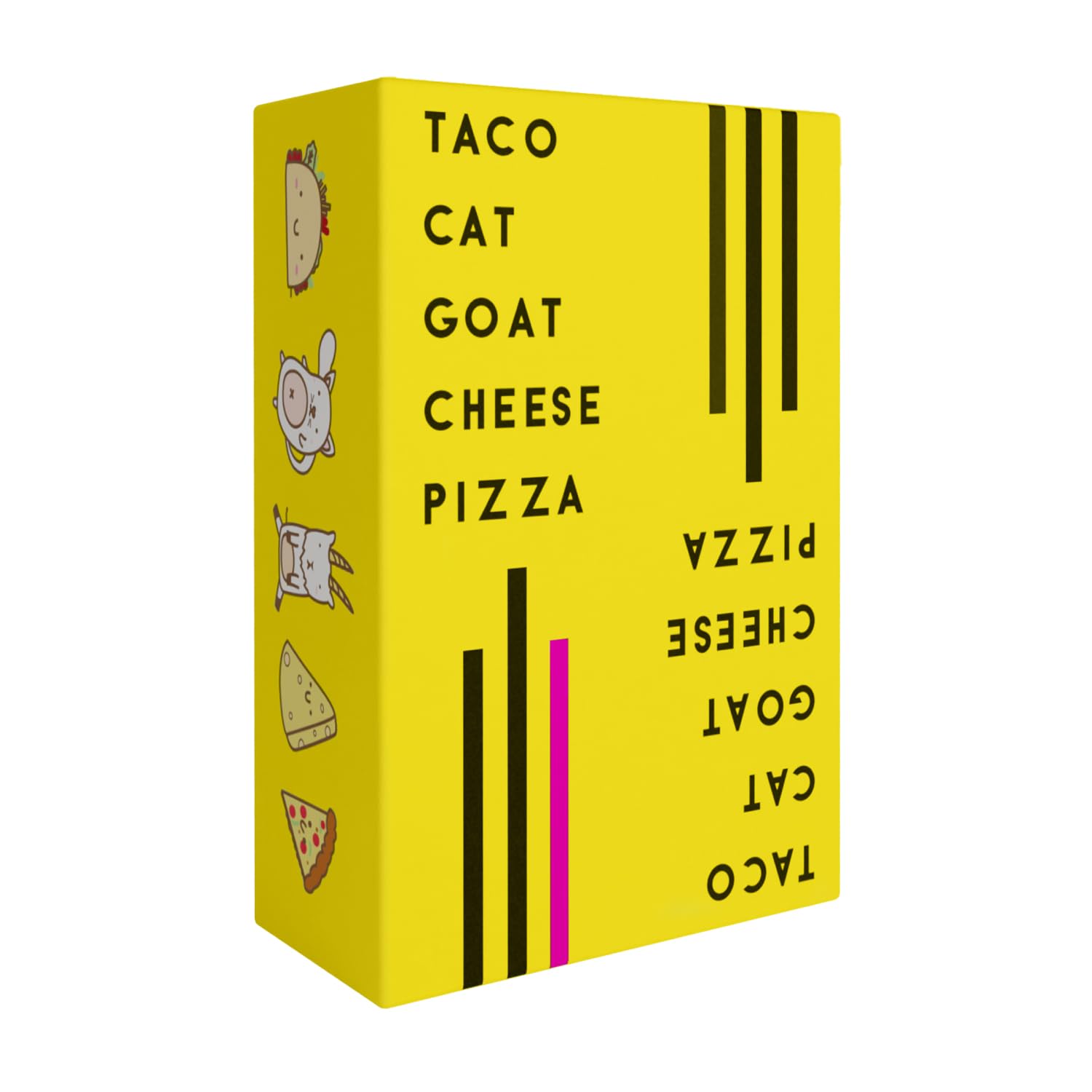
Taco Cat Goat Cheese Pizza fuels instant hilarity with a simple slapping mechanic that anyone can pick up in seconds. Best for large mixed-age groups and families wanting a quick icebreaker, the physical action makes it less suited for quiet, strategy-focused players. The fast-paced slapping motion will bend cards over repeated sessions – using a soft surface helps extend their life.

Tip: Place cards on a soft surface or mat to reduce wear from slapping.

Bottom line: Right for groups who value instant fun over card longevity – a budget-friendly icebreaker that works best with a soft playing surface.

#7

Connect 4

Connect 4

Quick game sessions

Doodle Score 9.6/10
Check Price

Worth Noting

  • Plastic frame can feel flimsy and the slider may loosen over time
Players
2
Playtime
~15 min
Age Range
6+
Read the full review

Connect 4 delivers the same straightforward drop-and-win fun that has entertained generations, with a setup that takes seconds and rounds that rarely exceed 15 minutes. This focus on pure two-player competition makes it a natural fit for quick game sessions between siblings or parent and child, especially for kids ages 6-10 who are still building attention spans. The plastic frame and sliding bar mechanism, however, can feel less robust than the original versions – some units may arrive with loose components or show wear under frequent use, so it is best suited for occasional play rather than daily tournaments.

Tip: Store the grid vertically and avoid forcing the slider – gentle handling extends the frame's lifespan.

Bottom line: For families who primarily play one-on-one and want a low-cost, quick game, Connect 4 is a reliable choice – just keep in mind that the plastic components may show wear earlier than expected.

#8

Rummikub

Rummikub

Quiet game nights

Doodle Score 9.6/10
Check Price

Worth Noting

  • Plastic trays may crack under regular handling
  • Numbers on tiles can fade or wear down after extended use
Players
2–4
Playtime
30–60 min
Age Range
8+
Read the full review

Rummikub combines luck and tile manipulation into a pattern-matching puzzle that changes each round. The tactile feel of the tiles and the satisfying click of arranging sets make it a calm, focused activity for 2–4 players. But the printed numbers can fade after heavy use, and the plastic trays feel thin enough that cracking is possible.

Best suited for families with kids aged 8 and up who enjoy quiet games that double as brain exercise. The fading numbers and tray fragility are tradeoffs that matter less for occasional play, but frequent sessions may wear components faster than expected.

Tip: Store tiles in a soft cloth bag to reduce friction and slow number fading.

Bottom line: If your family prefers thoughtful, low-key evenings over rowdy party games, Rummikub delivers that experience — just be prepared for component wear over time.

#9

Skyjo

Skyjo

Large family gatherings

Doodle Score 9.6/10
Check Price

Worth Noting

  • Gameplay can get repetitive after many plays without expansions
Players
2–8
Playtime
~30 min
Age Range
8+
Read the full review

Skyjo offers a quick ~30-minute card game with simple rules that teach addition in a fun way, and it scales smoothly from 2 to 8 players. However, after many sessions the lack of variety may feel repetitive, and families wanting a broader theme may prefer the top pick Sequence or Taco Cat.

Bottom line: A good match for families with kids 8+ who want quick math practice through play; less compelling if you need more variety or a broader theme.

#10

Codenames

Codenames

Adult game nights

Doodle Score 9.6/10
Check Price

Worth Noting

  • Requires minimum of four players; unsuitable for couples or small families.
Players
4–8+
Playtime
10–15 min per round
Age Range
14+
Read the full review

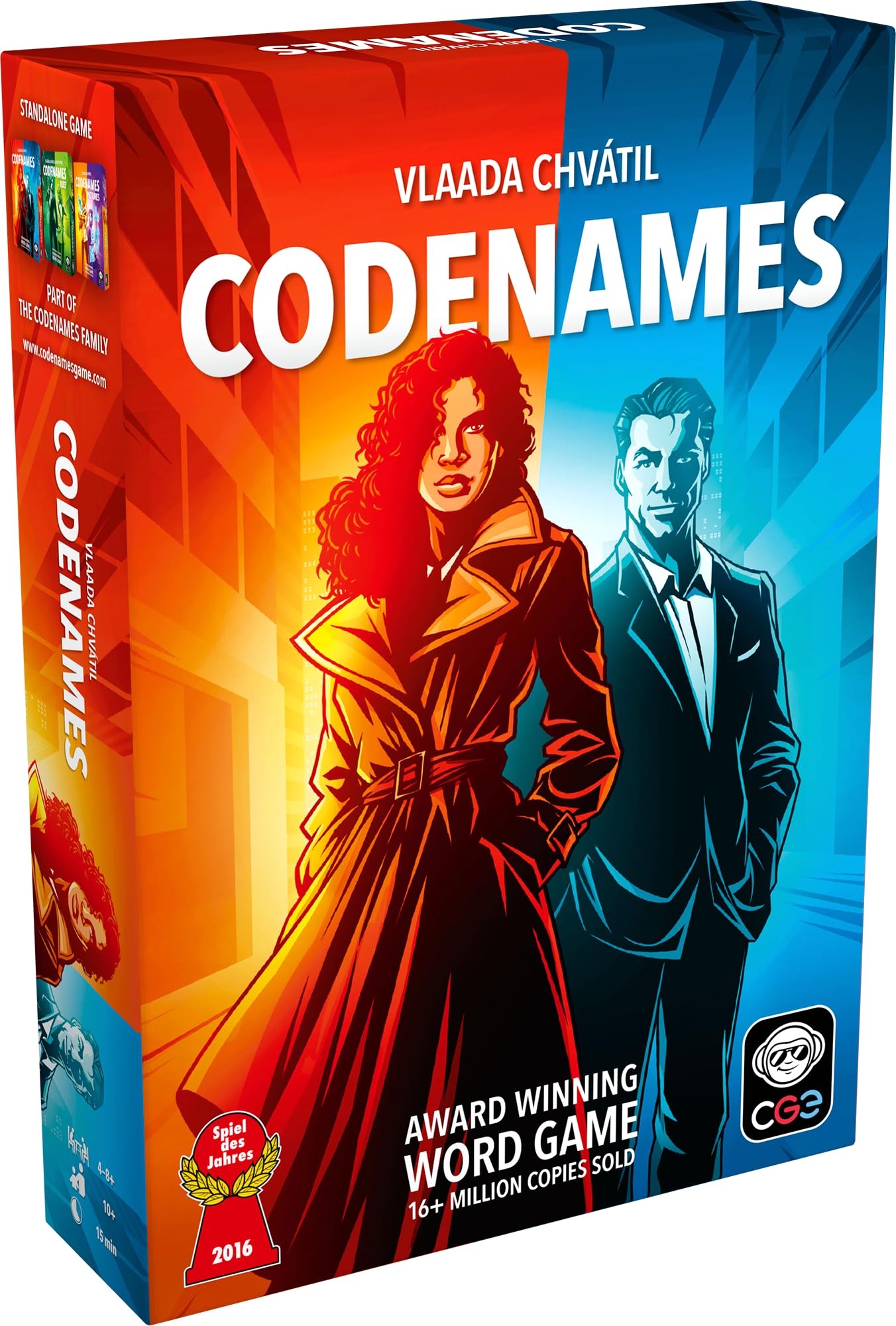
Codenames challenges creativity and teamwork through word association in quick 15-minute rounds, with high replayability from varied word cards. The limitation: it requires at least four players and the 14+ age rating excludes younger family members. Perfect for adult game nights but not for family gatherings with children under 14.

Bottom line: Best for adult game nights with four or more players who love word play; not for families with children under 14 or groups of 2-3.

#11

Candy Land

Candy Land

First board game

Doodle Score 9.6/10
Check Price

Worth Noting

Players
2–4
Playtime
~15 min
Age Range
3+
Read the full review

Candy Land introduces toddlers to turn-taking and color matching in about 15 minutes, with no reading needed. The bright artwork holds attention, though the path can blend into the busy background for some very young players. This is a solid pick for families with preschoolers, but households with kids aged 6+ will find it too simple for shared play.

Bottom line: Best for families with a preschooler who needs a gentle introduction to board games; skip if your youngest is 6 or older.

#12

Exploding Kittens

Exploding Kittens

Teens and adults

Doodle Score 9.4/10
Check Price

Worth Noting

  • Cards may show wear after repeated shuffling, especially with enthusiastic play.
Players
2–5
Playtime
~15 min
Age Range
7+
Read the full review

Exploding Kittens delivers genuine laughs for groups of three to five, with rules that take seconds to pick up. The irreverent humor is a hit with teens and adults, making it a go-to party starter. Card quality is a tradeoff – the thin cardboard may bend over time – and it truly needs three players to shine.

Bottom line: Best for parties of three to five who want quick laughs and don't mind replacing cards after heavy use.

How to Choose

Player Count

The number of players a game supports determines how often it comes out. A game that only works for 2 players will sit idle when cousins visit, while a game that claims to support 8 may require exact team configurations that don't fit your group. Look for games that explicitly handle your typical gathering size — if you often have 5 or 6, avoid games that max out at 4 or require even teams.

Hidden trade-off: games that accommodate very large groups (8+) often introduce downtime or chaotic turns. A 12-player Sequence game moves quickly because turns are simultaneous, but a 12-player party game with sequential turns can drag. Check the turn structure in reviews.

Minimum Age and Reading Level

The age label on a box is a rough guide, but the real barrier is reading fluency. Many games marked 8+ assume children can read instructions and cards independently. Games like Candy Land (3+) are purely visual and color-based, while Codenames (14+) requires vocabulary and word association. If you have a 6-year-old who can't read, stick with games that use pictures or simple symbols.

Physical dexterity also matters: reaction games like Taco Cat Goat Cheese Pizza need quick slapping motions that younger kids may struggle with. Try a practice round before the real game.

Typical Playtime

Playtime directly affects how many rounds you can fit into an evening. Quick games (10–15 minutes) are great for short attention spans and multiple plays, but they can feel unsatisfying if you want a deeper experience. Longer games (60–90 minutes) build narrative tension but require commitment from all players. The sweet spot for most families is 20–45 minutes — long enough to feel meaningful, short enough to replay.

Hidden trade-off: a 30-minute game with a 10-minute setup eats into playtime. Always factor in setup and cleanup when estimating total time. Games with minimal components (card games, dice games) set up in seconds.

Luck vs Strategy Balance

The balance of luck and strategy determines whether everyone stays engaged. Pure luck games (Candy Land, Trouble) level the playing field so young children can win, but adults may find them boring. Pure strategy games (Catan, Splendor) reward planning but can frustrate younger or less experienced players. The best family games thread the needle: enough luck to keep it unpredictable, enough strategy to let skill matter.

Look for games where luck is a lubricant, not the engine. A card draw determines your options, but how you use those options determines the outcome. That balance keeps both 8-year-olds and grandparents competitive.

Portability and Setup Complexity

A game that takes 5 minutes to set up and packs into a small box will be used far more often than a sprawling board with dozens of pieces. Card games and small-box games (Taco Cat, Skyjo, Exploding Kittens) travel easily and work on coffee tables, floors, or picnic blankets. Larger board games with folding boards and many tokens require a dedicated table and storage space.

Hidden trade-off: compact games often use thin cardstock or plastic that wears out faster. A $8 card game that gets played 50 times may still be better value than a $30 board game that stays on the shelf.

Frequently Asked Questions