STEM & Learning

9 Best Ant Farm of 2026: Choose Based on Real Ant Lifespan

Ant farms often disappoint when ants die quickly. This guide helps you pick the right one for your child's curiosity and timeline.

Most ant farms promise a live ant colony for weeks of observation, but the reality is that worker ants without a queen live only a few weeks. That doesn't make the experience worthless; it means your expectations should match the product's actual lifespan.

A well-chosen kit can still provide days of tunnel-building fascination and a genuine science lesson. The trick is picking the right substrate, size, and features for your child's attention span and your willingness to maintain the habitat.

This guide cuts through marketing claims to help you find an ant farm that delivers on its limited-time promise without surprising you with escapees or mold.

#1

wtsyant Ant Farm Castle
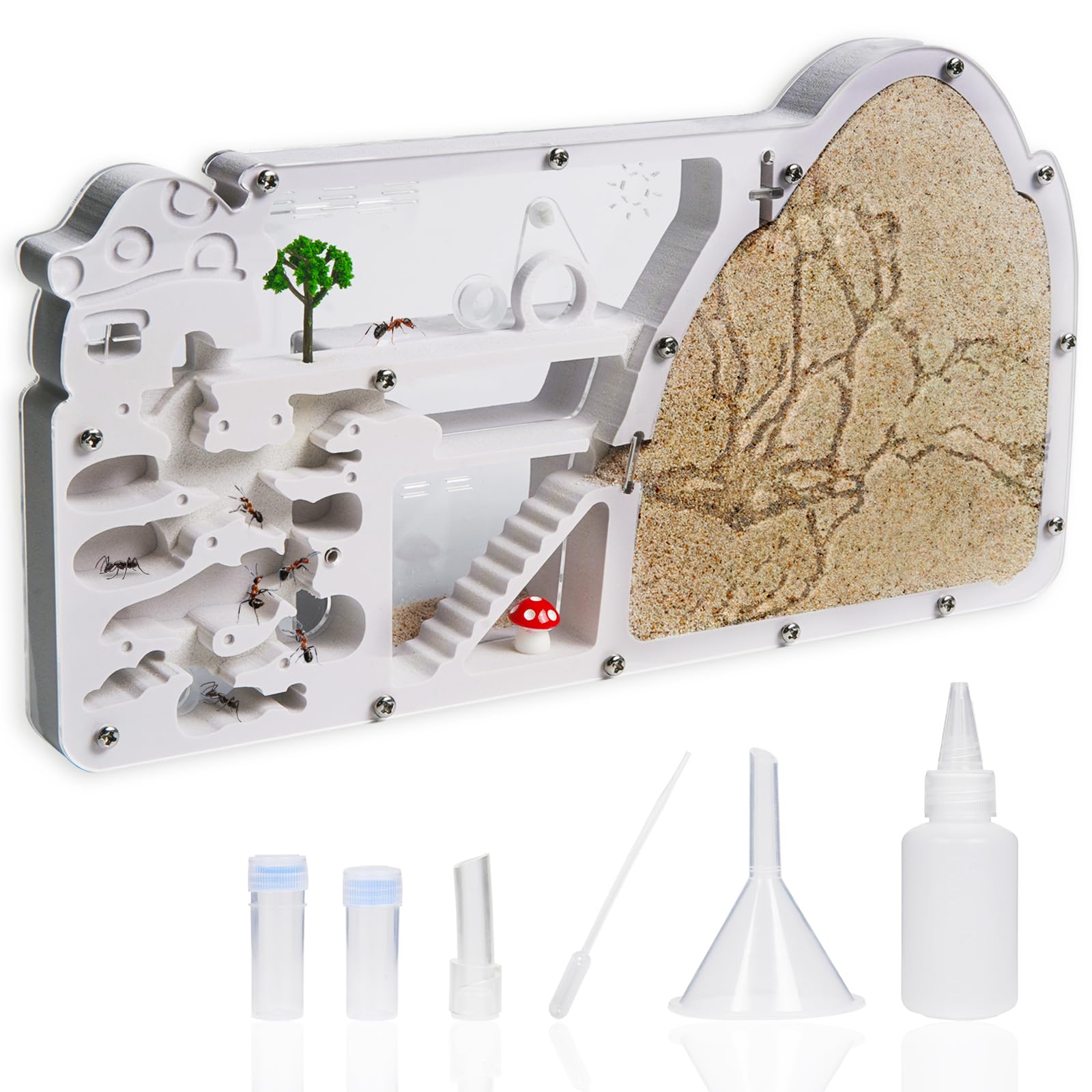
wtsyant Ant Farm Castle

Older kids

Doodle Score 8.8/10
Check Price

Worth Noting

  • Ants can chew through the acrylic sides and escape over time.
  • Some ants can fall into bottom areas and become trapped, unable to climb out.
Substrate
Sand
Accessories
Sand, drip bottle, funnel, water tower
Ant Lifespan
Short
Escape-Proof
Ants chew acrylic
Read the full review

The wtsyant Ant Farm Castle offers a double-sided viewing area and an automatic watering system that only needs refilling every ten days. It's solidly built for a mid-range kit, and kids enjoy watching ants tunnel. However, ants can chew through the acrylic sides and escape in some cases, and some ants may fall into lower areas where they cannot climb out. This setup suits families willing to monitor ant activity and address occasional escapes rather than those wanting a fully sealed habitat.

Tip: Check the acrylic walls weekly for chew marks and guide fallen ants back to the main chambers to keep them active.

Bottom line: Best for families who want the convenience of automatic watering and a modern look and are ready to monitor for escapes and fallen ants.

#2

Uncle Milton Giant Ant Farm

Uncle Milton Giant Ant Farm

Kids 6+

Doodle Score 8.6/10
Check Price

Worth Noting

  • Ants can escape through gaps in the plastic assembly if not carefully sealed
  • Worker ants may only survive a week or two, limiting the observation window
Substrate
Sand
Accessories
Sand, starter stick, guide
Ant Lifespan
Short (weeks)
Escape-Proof
Claimed
Read the full review

The Uncle Milton Giant Ant Farm offers a large 13-inch viewing area and quick assembly, making it a straightforward way to watch ants tunnel and interact. Its classic design has entertained families for decades, and the included sand starter kit gets things moving in minutes.

This kit fits best with parents and teachers planning a few weeks of hands-on science learning. Ants may escape through gaps, and worker ants naturally die within days to weeks, so treat it as a temporary introduction to insect behavior rather than a long-term habitat. For classrooms or curious kids ages 6 and up, it provides plenty of observation time without a big investment.

Tip: Run a thin bead of aquarium-safe silicone along the seams to reduce escape risk and keep your observation period smooth.

Bottom line: A budget-friendly ant farm that works as a short-term science project, provided you accept its limits on ant longevity and containment.

#3

ELNMLHT Ant Farm Castle

ELNMLHT Ant Farm Castle

Quick tunnels

Doodle Score 8.6/10
Check Price

Worth Noting

  • Ants may chew through the acrylic sides over time, creating escape routes.
Substrate
Sand
Accessories
Sand, drip bottle, water tower
Ant Lifespan
Short
Escape-Proof
Acrylic chewable
Read the full review

The ELNMLHT Ant Farm Castle gets ants tunneling fast, using the included yellow sand and a double-sided viewing area that keeps kids engaged for hours. Build quality is sturdy, and the automatic water tower reduces daily upkeep. But the design doesn't allow easy opening for feeding, and ants may chew through the acrylic sides after a few weeks, making this a short-term project rather than a lasting colony habitat.

Bottom line: Best for families who want a few weeks of exciting tunnel watching and don't mind replacing ants or the habitat afterward.

#4

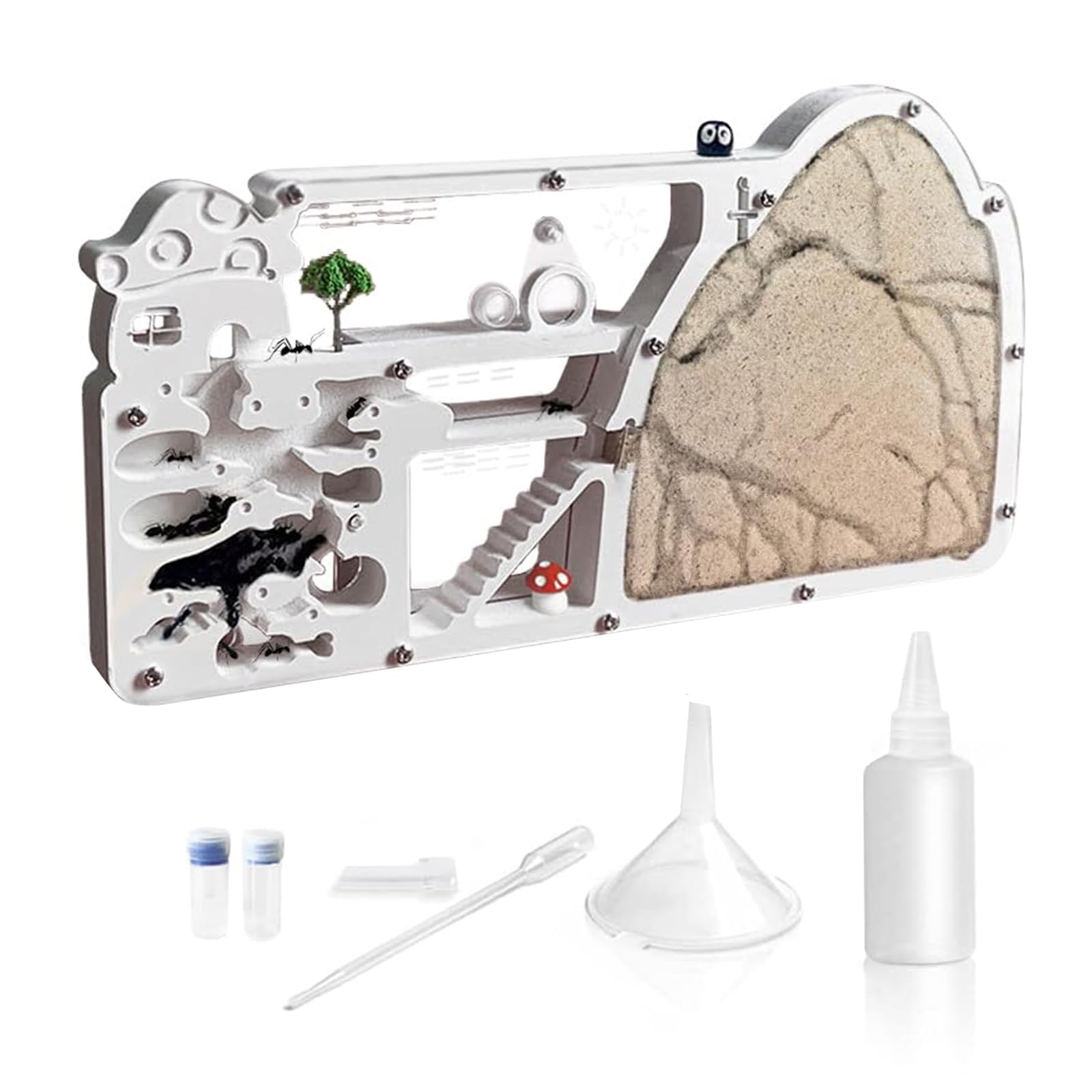
Ants Footsteps Ant Farm Nest

Ants Footsteps Ant Farm Nest

Hobbyists

Doodle Score 8.6/10
Check Price

Worth Noting

  • Assembly requires patience due to vague instructions, and the humidity system may need extra sealing to work as intended.
Substrate
Sand
Accessories
Water tower, tubing
Ant Lifespan
Short
Escape-Proof
Gap issues
Read the full review

The Ants Footsteps Ant Farm Nest uses solid acrylic and allows connecting extra units, appealing to hobbyists building a long-term colony. However, assembly instructions can be unclear and the water tower may not regulate humidity consistently, so this kit suits experienced keepers rather than casual buyers.

Bottom line: This ant farm fits best for hobbyists who enjoy DIY setup and want an expandable base for a serious ant-keeping project, not for those seeking a quick, plug-and-play experience.

#5

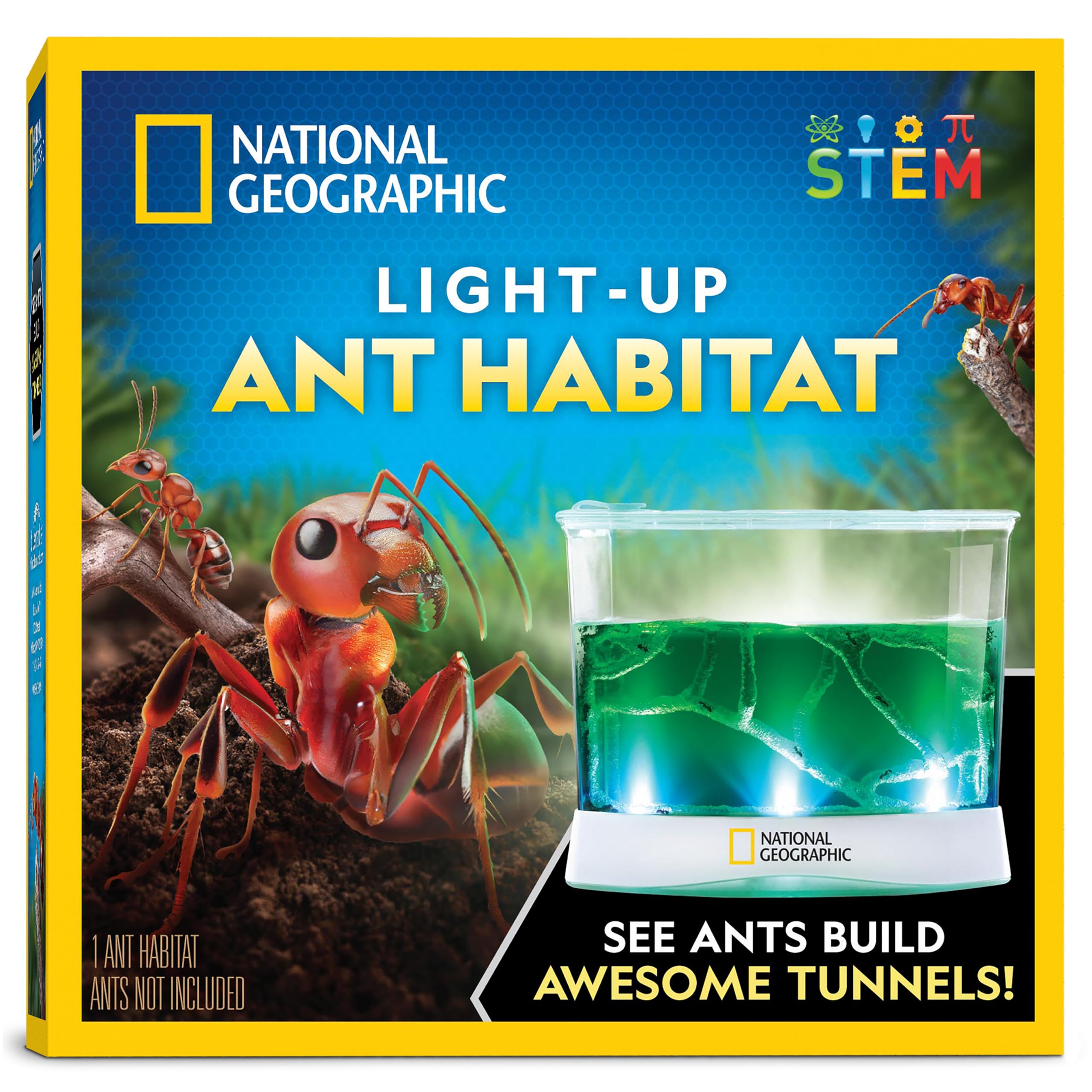
National Geographic Ant Habitat

National Geographic Ant Habitat

Curious kids

Doodle Score 8.4/10
Check Price

Worth Noting

  • Ants may die within a few days, possibly due to gel composition
  • In warm conditions, the nutrient gel can develop mold within weeks, forcing habitat disposal
Substrate
Gel
Accessories
Gel, tool, light
Ant Lifespan
Very short (mold)
Escape-Proof
Sealed
Read the full review

The National Geographic Ant Habitat stands out with its light-up feature and built-in magnifiers, making night viewing easy and engaging. The nutrient gel eliminates the need for sand, so setup is clean and quick. This habitat is best for young children or short-term science projects where a few weeks of observation is enough. However, the gel can develop mold within weeks and ants may not survive long, so this is not a setup for building a lasting colony.

Bottom line: A fun, glowing introduction for curious kids who want a short-term ant observation project – not for anyone expecting a long-lived colony.

#6

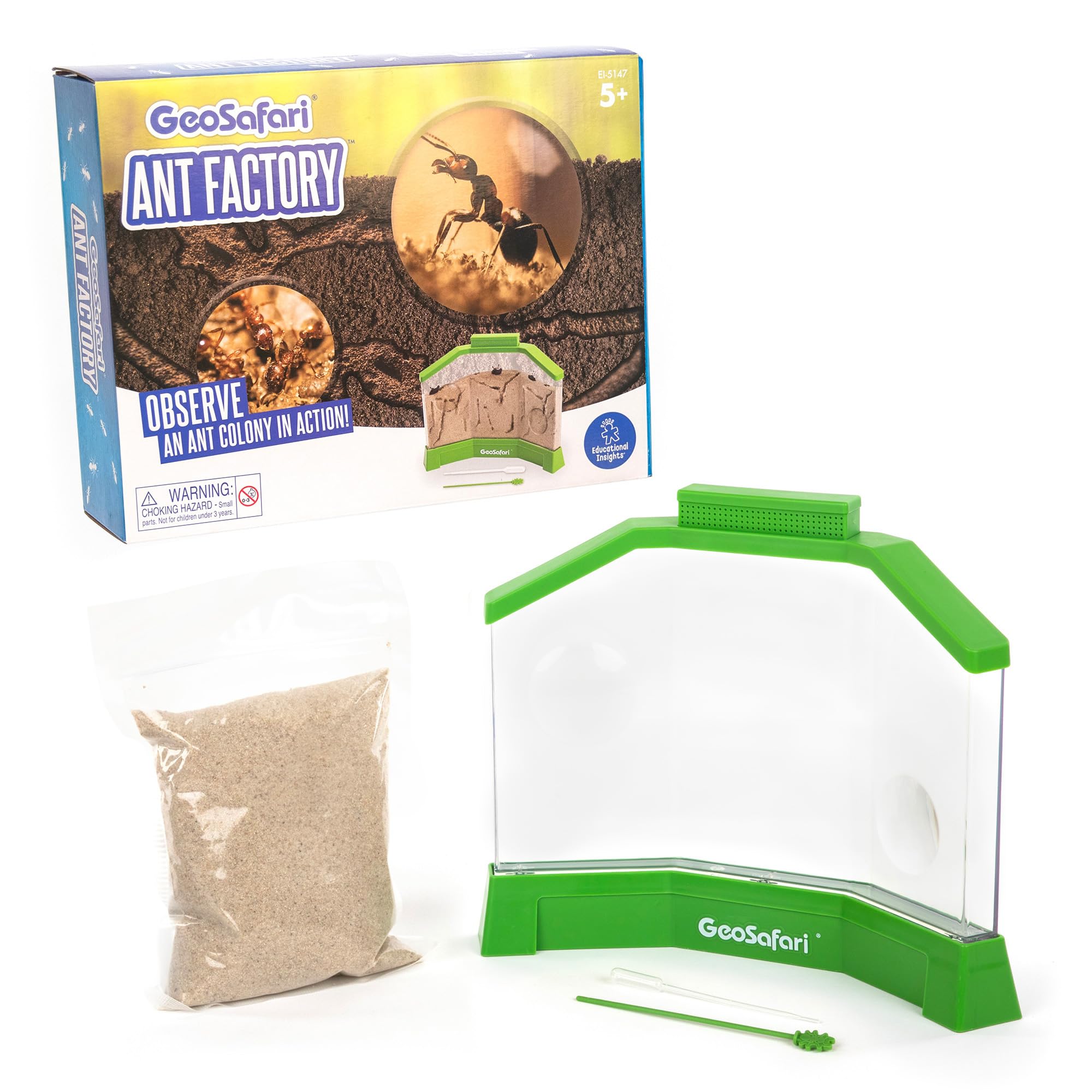
GeoSafari Ant Factory

GeoSafari Ant Factory

Classrooms

Doodle Score 8.4/10
Check Price

Worth Noting

  • Ants may not dig tunnels, which can lead to a static display rather than active observation.
  • No queen means the colony cannot reproduce, so periodic ant replacement is needed.
Substrate
Sand
Accessories
Feeding tool, guide, voucher
Ant Lifespan
Short (no queen)
Escape-Proof
Claimed
Read the full review

This ant farm is the largest among mid-range options, with a viewing area that fits easily into group settings. The included activity guide and sturdy build make setup a quick, repeatable process.

Teachers and families who want a ready-to-run science project will appreciate the clear instructions and escape-proof habitat. However, worker ants may not tunnel as expected, and since no queen is included, the colony needs replacement every few weeks.

Tip: Introduce ants gradually and keep the habitat in a warm spot to encourage tunneling; still, some groups may stay inactive.

Bottom line: A solid choice for educators who want a prepared science kit and can accept a few weeks of ant activity — less suited for hobbyists seeking a self-sustaining colony.

#7

NAVAdeal Sand Ant Farm

NAVAdeal Sand Ant Farm

Budget sand

Doodle Score 8.4/10
Check Price

Worth Noting

Substrate
Sand
Accessories
Tubes, magnifier, pipette
Ant Lifespan
Short
Escape-Proof
Large vents
Read the full review

At an entry-level price, this sand ant farm includes connecting tubes that extend the fun across the small cube — kids enjoy watching tunnels form. However, the 4-inch cube limits ant movement and viewing, sand tends to spill during setup and tube moves, and ventilation holes are large enough that tiny ant species may escape. This works best as a brief project for kids curious about ant behavior rather than a long-term habitat.

Tip: Place the farm on a tray to catch spilled sand; slightly dampen the sand to reduce dust and improve tunnel stability.

Bottom line: A budget-friendly way to test a child's interest in ant keeping, but expect a short-lived experience with sand mess and potential escapes.

#8

Dan&Darci Ant Farm Kit

Dan&Darci Ant Farm Kit

Budget starter

Doodle Score 8.2/10
Check Price

Worth Noting

  • Compact design restricts ant activity and viewing enjoyment.
  • Ants may only live a few weeks; mold can develop in damp sand.
Substrate
Sand
Accessories
Sand, voucher
Ant Lifespan
Short (weeks)
Escape-Proof
No info
Read the full review

The Dan&Darci Ant Farm Kit hits the lowest price point among sand habitats and includes a voucher for live ants. Unlike the classic Uncle Milton, this one is compact - about 9 by 7 inches - which fits a desk or shelf. But the small size limits ant tunneling and viewing, and the ants typically survive only a few weeks; mold can appear if the sand stays damp. This is best for budget-conscious parents wanting a low-cost test before investing in a larger, more durable habitat.

Tip: Keep the sand dry to reduce mold risk and help the ants live a bit longer.

Bottom line: This kit works as a low-cost trial to gauge interest in ant keeping, but the short-lived ants and small size mean it's a disposable starter rather than a long-term habitat.

#9

Tigerific Ant Farm

Tigerific Ant Farm

First farm

Doodle Score 8.2/10
Check Price

Worth Noting

  • Sand can develop mold despite careful watering, cutting the viewing period short.
Substrate
Sand
Accessories
Tube, water dropper, booklet
Ant Lifespan
Short
Escape-Proof
No info
Read the full review

This kit stands out for its educational booklet and ant documentary that make learning about ant behavior engaging. However, the hand-sized enclosure limits ant activity, and the sand can develop mold within weeks, making it a short-lived project best for families wanting a very affordable first ant farm for a few weeks of close observation.

Bottom line: This ant farm works well for a short-term science project where educational resources are a priority over long-term habitat stability.

How to Choose

Viewing Area Size

Larger viewing areas (12 inches or wider) let you see the full tunnel network develop and give ants room to build. Smaller farms around 9 inches may fit on a desk but limit activity and can feel cramped quickly.

If you have space, choose a habitat at least 10 inches wide. For a tabletop display, a compact cube might still be entertaining for a few days, but expect less tunneling.

Substrate Type

Sand is the natural choice: ants dig real tunnels and you can control moisture. The trade-off is that overwatering leads to mold and collapsed tunnels, while under-drying causes sand to separate.

Gel farms are mess-free and come pre-filled, but the gel often develops mold within two weeks and lacks the nutrition ants need. Sand gives you a longer window of observation if you manage humidity carefully.

Escape-Proof Construction

No consumer ant farm is 100% escape-proof. Seals can gap, ventilation holes may be large enough for tiny ants, and some species chew through acrylic after a few days.

Check for tight-fitting lids and small vent slots (less than 1mm). If the kit relies on acrylic sides, be prepared to tape seams if you see ants testing boundaries.

Included Accessories

Starter tools like a tunnel digger or feeding pipette make setup easier, but they don't change ant survival. Lights and magnifiers add engagement for kids, especially for night viewing.

An ant voucher saves you the hassle of catching ants, but note that many vouchers require a shipping fee and may take weeks to arrive. Consider buying ants locally for faster setup.

Ant Lifespan Viability

Worker ants without a queen live only a few weeks. No ant farm sold as a toy includes a queen, so the colony will naturally die off. This is normal, not a product defect.

If you want longer observation, order replacement ants or look into dedicated formicaria for serious ant keeping. For most families, accepting the short window makes the experience less frustrating.

Frequently Asked Questions